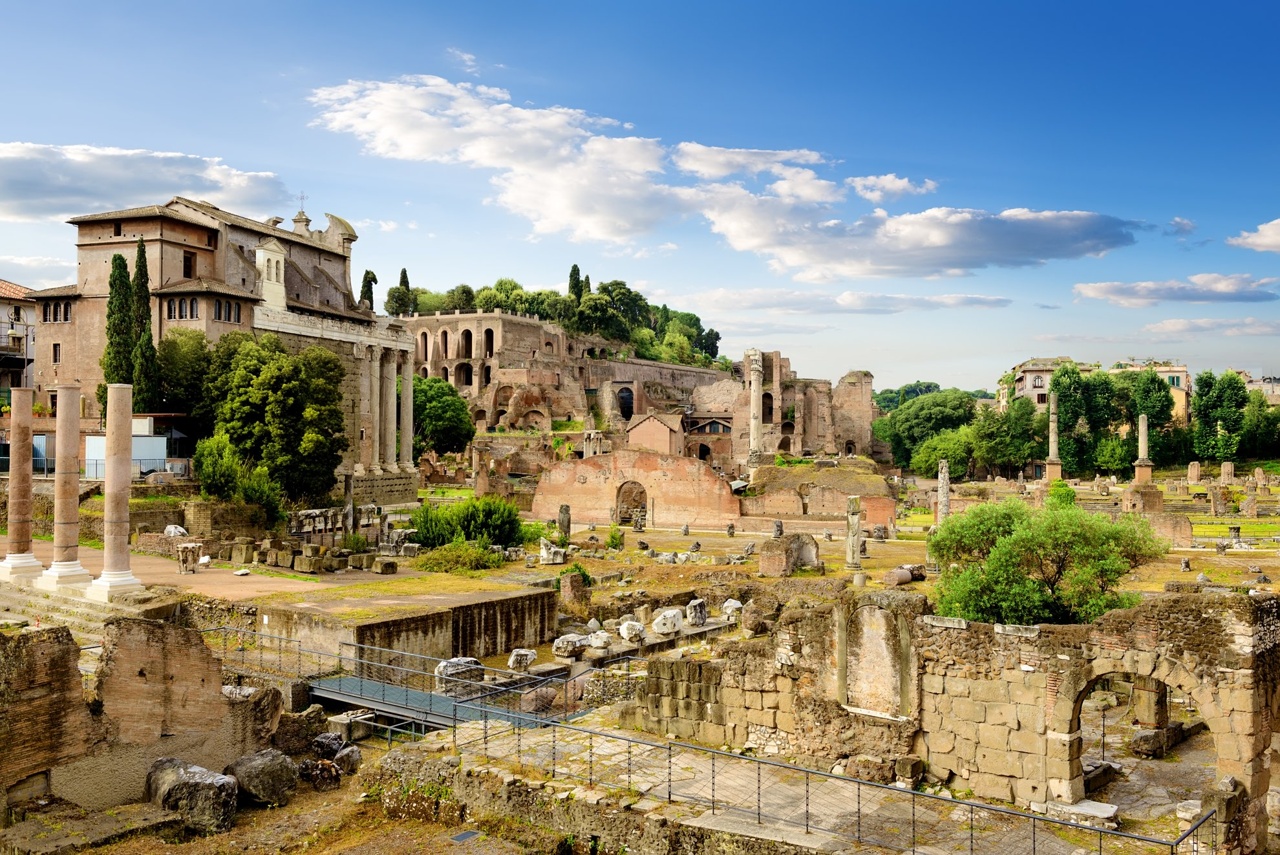
Rome wasn’t built in a day, but it was built on seven hills. These aren’t dramatic peaks—most rise only 40 to 50 meters above the Tiber floodplain—but their strategic position shaped the city’s military defense, social structure, and monumental architecture for over two millennia. Today, each hill offers a distinct experience: imperial palaces, medieval churches, panoramic viewpoints, and layers of history you can walk through.
This guide takes you through all seven, hill by hill, with what remains, what matters, and why each one earned its place in Rome’s foundation story.
Why Seven Hills? The Geography Behind the Legend

The traditional count—Palatine, Capitoline, Aventine, Caelian, Esquiline, Viminal, and Quirinal—comes from ancient writers who formalized the list during the Republic. In reality, Rome sprawls across more than seven elevations, but these were the ones enclosed by the early city walls and tied to religious and civic identity.
The hills provided natural defense against invaders and floods. Settlements began on the Palatine in the 8th century BCE, then expanded to neighboring heights as the population grew. By the time of the emperors, the hills weren’t just residential zones—they were stages for power, prestige, and monumental building programs that still define the skyline.
Palatine Hill: Where Rome Began
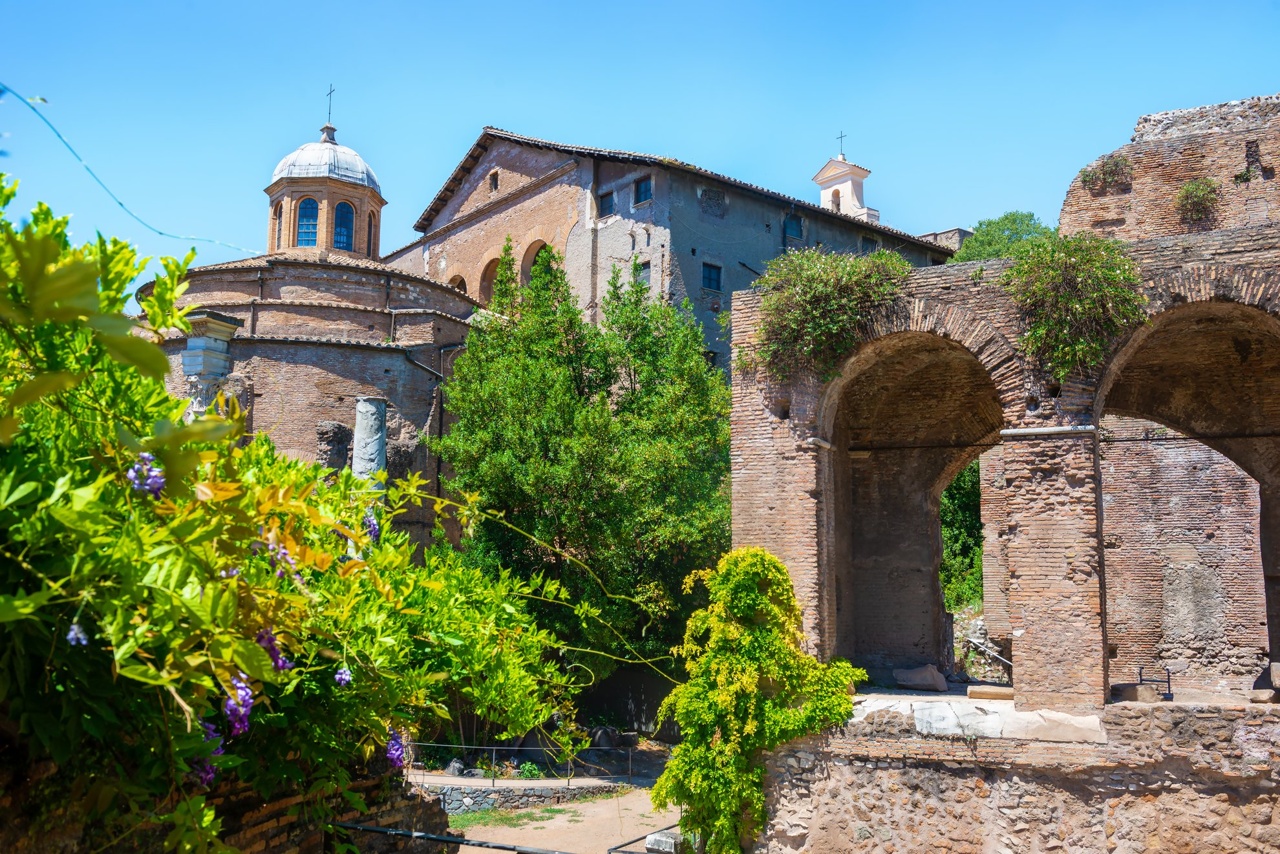
The Palatine is the oldest settled area of Rome and the birthplace of the legendary twins Romulus and Remus. Archaeological evidence confirms Iron Age huts dating to the 9th century BCE. By the late Republic, this hill became the most exclusive address in the city—Cicero, Marc Antony, and Augustus all built homes here.
Augustus converted much of the hill into an imperial complex. Later emperors expanded it into the sprawling Domus Augustana and the stadium-shaped garden of the Hippodrome. The Farnese Gardens, laid out in the 16th century atop the ruins, offer sweeping views over the Forum and Circus Maximus.
What makes the Palatine essential is its density: you’re walking through stratified centuries, from hut foundations to Renaissance landscaping, all on one hill. Verify current hours and access details on official channels before planning your visit.
Capitoline Hill: Political and Religious Heart
The Capitoline was ancient Rome’s sacred summit, home to the Temple of Jupiter Optimus Maximus—the most important shrine in the Roman state religion. Triumphal processions ended here, and the hill symbolized Rome’s divine mandate.
Today, Michelangelo’s Piazza del Campidoglio crowns the hill, flanked by the Capitoline Museums, which house one of the world’s oldest public art collections. The Tabularium, the ancient state archive, forms the base of the Palazzo Senatorio and offers a dramatic arcade overlooking the Forum.
The view from the terrace behind the equestrian statue of Marcus Aurelius is one of the finest in the historic center: the Forum, Palatine, and Colosseum arrayed below. The hill is compact but monumental—allow an hour to walk the piazza and take in the perspective.
Aventine Hill: Quiet Elegance and Legendary Views
The Aventine is the most residential and serene of the seven. In antiquity, it was a plebeian stronghold, home to temples of Ceres and Diana and the site of political struggles between patricians and the common people. In the Middle Ages, it became a district of monasteries and aristocratic villas.
Two sites draw visitors today: the Giardino degli Aranci (Orange Garden), a small public park with panoramic views over the Tiber and St. Peter’s dome, and the famous keyhole of the Priory of the Knights of Malta, which frames the basilica in a perfectly composed sightline through a garden tunnel.
The Aventine rewards a slow walk. Its quiet streets, rose gardens, and basilicas—Santa Sabina, with its 5th-century wooden doors, is a masterpiece—offer a contrast to the crowded monuments below.
Caelian Hill: Monastic Calm and Ancient Foundations
The Caelian, southeast of the Colosseum, is less visited but rich in layered history. In the imperial period, it hosted luxurious residences and the massive Claudian aqueduct, whose arches still stride across the landscape. Early Christian communities settled here, and the hill is dotted with ancient basilicas.
Santi Giovanni e Paolo sits atop a Roman house complex that you can visit beneath the church—frescoed rooms and corridors that show how Christian worship evolved in domestic spaces. The nearby Villa Celimontana park is a green refuge with ancient sculptures and a summer jazz festival.
The Caelian is ideal for those who want to explore away from the main circuits. Verify opening times for individual churches and underground sites, as access can vary seasonally.
Esquiline Hill: The Largest and Most Diverse
The Esquiline is the highest and largest of the seven, stretching from the Colosseum valley to Termini station. In antiquity, it was partly necropolis, partly patrician estates. Maecenas, Augustus’s advisor and patron of poets, had gardens here. Nero later seized much of the hill for his Golden House, the extravagant palace buried after his death to make way for the Baths of Trajan.
Today, the Esquiline is anchored by Santa Maria Maggiore, one of Rome’s four papal basilicas, with 5th-century mosaics and a gilded ceiling reportedly adorned with the first gold from the Americas. The Auditorium of Maecenas, a sunken hall with frescoed walls, and the accessible portions of the Domus Aurea give glimpses of the hill’s imperial past.
The neighborhood is multicultural and lively, with markets, trattorias, and a less polished atmosphere than the centro storico—authentic Rome in everyday motion.
Viminal and Quirinal: Administration and Power
The Viminal is the smallest and least distinct of the seven, now largely absorbed into the modern city grid. It hosted the Baths of Diocletian, whose vast halls were later converted into the Basilica of Santa Maria degli Angeli by Michelangelo and now house part of the National Roman Museum.
The Quirinal, by contrast, is monumental. In antiquity, it held temples to Quirinus and the Baths of Constantine. Today, it’s crowned by the Palazzo del Quirinale, official residence of the President of the Italian Republic. The palace and its gardens open to the public on select days; verify the official schedule in advance.
The Quirinal offers one of the finest urban panoramas in Rome, looking west over the rooftops toward St. Peter’s. The hill’s long, straight streets—Via del Quirinale, Via XX Settembre—retain the grandeur of papal and post-unification Rome.
How to Visit the Seven Hills
You won’t cover all seven in a single day unless you’re moving at a sprint—and that would miss the point. The hills reward slower exploration: a morning on the Palatine and Capitoline, an afternoon on the Aventine and Caelian, a separate visit for the Esquiline’s basilicas and museums.
Comfortable shoes are essential; Rome’s hills mean stairs, cobblestones, and uneven paths. The best times to visit are early morning or late afternoon, when light is softer and crowds thinner. In summer, the Aventine and Villa Celimontana offer shade; in winter, the hills’ exposed terraces can be breezy but luminous.
Many of the hills’ monuments—imperial palaces, archaeological sites, museum complexes—benefit from context. Guided small-group visits bring the layers to life, connecting the topography to the politics, religion, and daily life that played out on these slopes.
Why the Hills Still Matter
Rome’s seven hills aren’t a tourist checklist—they’re a way of reading the city. The hills determined where people lived, worshiped, governed, and built. They shaped military strategy, neighborhood identity, and the monumental axes that still guide your walks today.
Standing on the Palatine, you see the Forum below—the valley where politics happened. From the Aventine, you look across to the Capitoline—two hills that once represented different classes, now linked by bridges and history. The Quirinal faces west, toward the Vatican, a geographic dialogue between papal and secular power.
Understanding the hills means understanding why Rome looks and feels the way it does. They’re not incidental; they’re the skeleton the city grew around.
Plan Your Visit
Whether you’re tracing the path of ancient triumphs, hunting for the best views, or simply trying to make sense of Rome’s famously complex layout, the seven hills offer structure, surprise, and some of the most rewarding walks in the city.
For expertly guided explorations that connect topography to history—and help you navigate access, timing, and the stories behind the stones—explore the experiences at Trip in Art.