Few artists are as tied to Rome as Michelangelo Merisi, known as Caravaggio. He arrived in the city in the early 1590s, rose from obscurity to the most talked-about painter in town, and fled in 1606 after a fatal brawl. In between, he changed the course of European painting. The best part for travelers is that much of his work can still be seen in Rome, often in the churches and palaces for which it was painted.
Why Caravaggio Still Matters
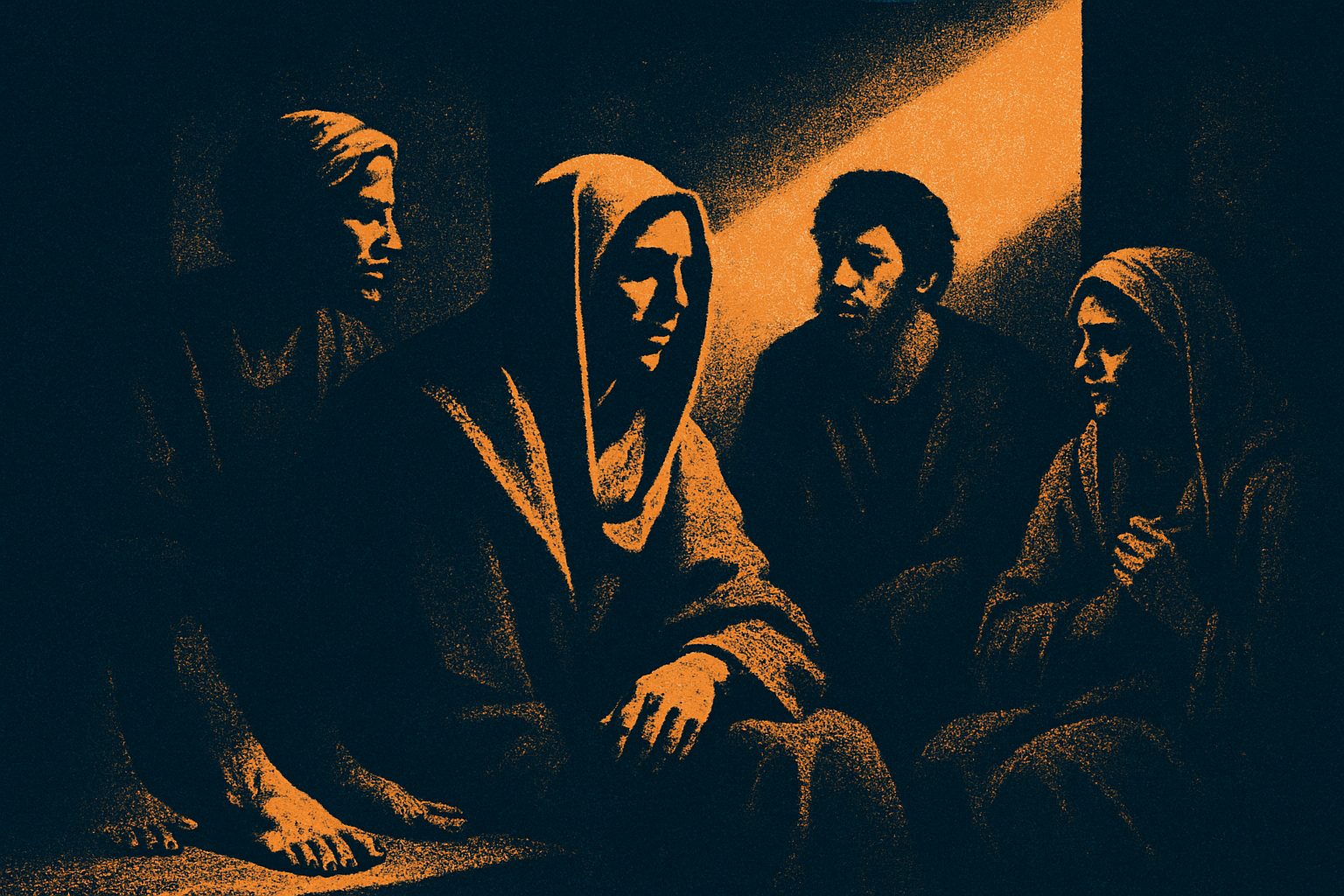
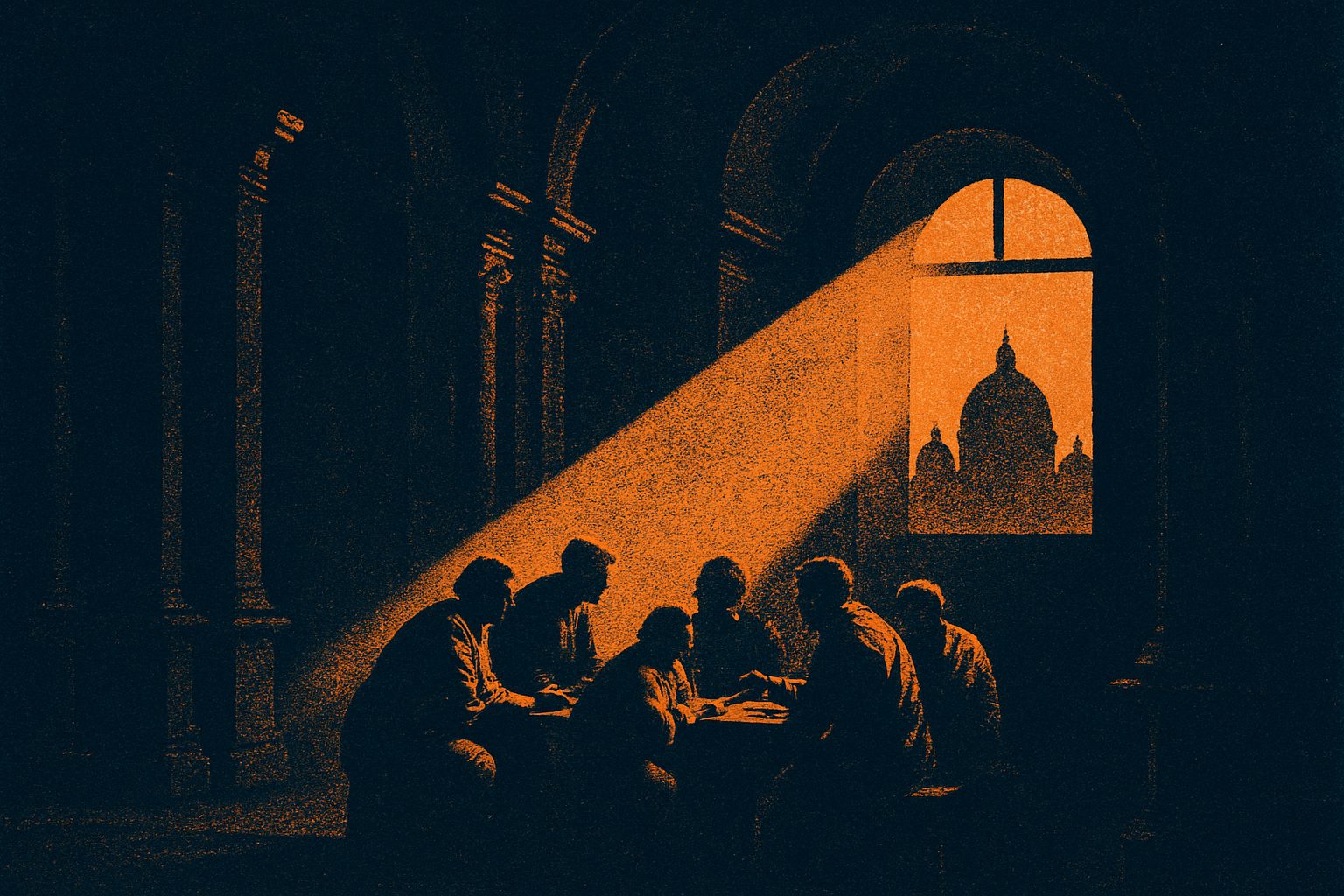
Before Caravaggio, sacred scenes were often idealized: elegant poses, balanced compositions, calm light. He did the opposite. He painted biblical figures as people from the streets of Rome, with dirty feet, worn clothes and tense faces. He placed them in dark rooms and let a single beam of light cut across the scene.
This dramatic contrast of light and shadow is often called tenebrism. It is not just a style. It makes the viewer feel present at a moment of decision, violence or revelation. Seeing the paintings in Rome, in the settings they were made for, makes this effect much easier to understand.
The Three Essential Church Stops
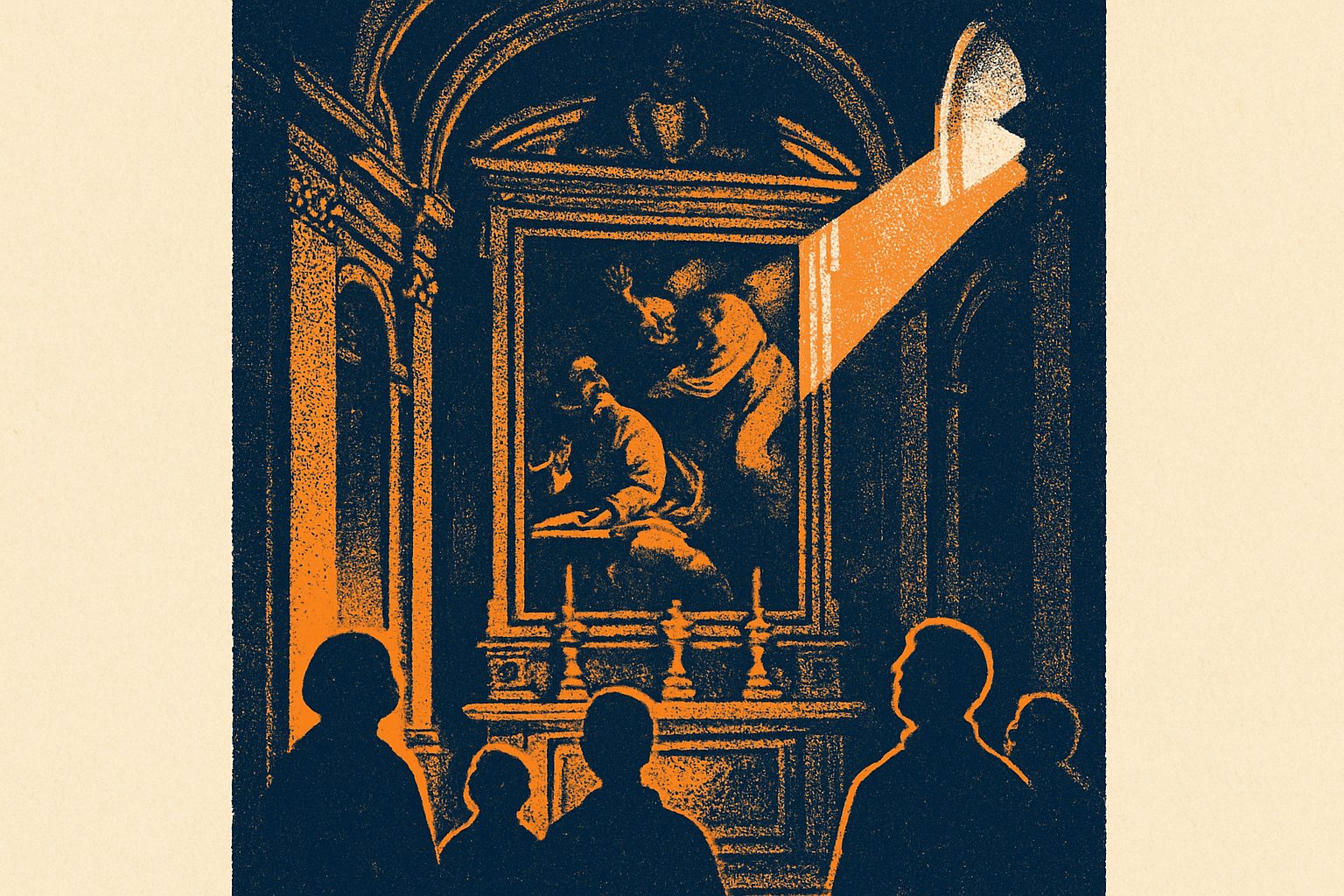
If you only have half a day, focus on three churches. They sit in the historic center, within a pleasant walk of one another, and each holds a different side of the artist.
San Luigi dei Francesi: The Matthew Cycle
The church of the French community in Rome contains the Contarelli Chapel, with three paintings of Saint Matthew from around 1599 to 1602. These works made Caravaggio’s name in Rome.
The most famous is The Calling of Saint Matthew. Christ points across a dim room toward a group of men, and a shaft of light follows his gesture. The strength of the image lies in its ambiguity: the room looks like an ordinary tavern, yet the moment feels sacred. Take your time here and look at the faces, not only the light.
Santa Maria del Popolo: Paul and Peter
On the edge of Piazza del Popolo, this church holds the Cerasi Chapel, with The Conversion of Saint Paul and The Crucifixion of Saint Peter, painted around 1600 to 1601. They are two of the most physical, unidealized sacred scenes of the period.
In the first, Paul lies on the ground under a horse’s hooves, arms open, while a groom looks on. In the second, laborers strain to raise Peter’s cross. Neither painting has a heroic pose. The drama is in the effort and the bodies.
Sant’Agostino: The Pilgrims’ Madonna
This quieter church near Piazza Navona holds the Madonna of Loreto, also known as the Pilgrims’ Madonna, from the first years of the 1600s. Two kneeling pilgrims, one with soiled feet, approach the Virgin in a plain doorway. In its time, this rough realism drew criticism as well as admiration.
Beyond the Churches: Galleries Worth Adding
To see how his style developed, add a gallery visit. Rome has several that hold his work, and they show the more intimate side of his career.
- Galleria Borghese: a rich group of his paintings, from early still-life-like canvases to later, darker works. Entry here is managed by timed slots, so reserve your tickets in advance and check the official site for current rules.
- Galleria Doria Pamphilj: a private-collection setting in a historic palace, with paintings that show his quieter, more contemplative side.
- Palazzo Barberini (Galleria Nazionale d’Arte Antica): home to his violent Judith Beheading Holofernes, which shows his gift for staging a shocking moment.
Collections change, and works are sometimes loaned or moved. Check each museum’s website before building your day around a single painting.
The Best Times to Visit
Churches are working places of worship, so opening hours often include midday breaks, and access may be limited during services. Always confirm current hours on the official church or diocesan pages before you go, and plan around them rather than hoping for flexibility.
To beat the crowds, aim for the quieter parts of the day, often early morning or later in the afternoon, and consider traveling outside peak season. A smaller crowd matters more than usual here: these chapels are small, and the paintings reward a few minutes of standing still.
Lighting can also be limited in some chapels. Rather than being frustrated, treat it as part of the experience. The paintings were conceived for dim interiors, and patience helps you notice details you might miss at a glance.
A Simple Half-Day Route
A logical order for a morning or afternoon on foot:
- Start at San Luigi dei Francesi for the Matthew cycle.
- Continue a short distance to Sant’Agostino for the Pilgrims’ Madonna.
- Finish at Santa Maria del Popolo, then pause on Piazza del Popolo.
Keep the pace slow. Three works, seen well, are more memorable than ten seen in a rush. If you want a full-day theme, add one of the galleries above on a separate morning.
Visiting Respectfully
Since these are active churches, behave as a visitor in a place of worship: keep your voice low, follow posted signs on photography, and respect any area closed for services. Many churches expect modest dress, so check the rules for each before you set out.
How to Read a Caravaggio
A few simple questions make the paintings come alive:
- Where does the light come from? It often seems to enter from outside the painting, like a spotlight.
- Who is looking at whom? Gestures and glances guide the story.
- What is ordinary? Look for everyday details such as clothing, hands and feet. This is where his radical realism shows.
A guided small-group visit can add useful context, especially on the biography and the rivalries of the period, but the paintings can also be enjoyed with a little preparation and unhurried looking.
Final Thoughts
Caravaggio’s Rome is not a single monument but a trail through the city’s churches and palaces. Following it gives you a different perspective on a city usually seen through its ancient ruins: a Rome of taverns, street life and sudden light in dark rooms.
For more ideas on planning art-focused days in the city, see the Trip in Art Rome travel guide.