When planning a visit to Rome, most travelers focus on the Colosseum, the Forum, and the grand basilicas. Yet some of the city’s most remarkable ancient structures lie hidden in plain sight: the bridges that have spanned the Tiber River for more than 2,000 years. These engineering marvels connected the city’s neighborhoods, facilitated trade, and enabled the growth of one of history’s greatest empires—and many are still in use today.
Why Roman Bridges Matter
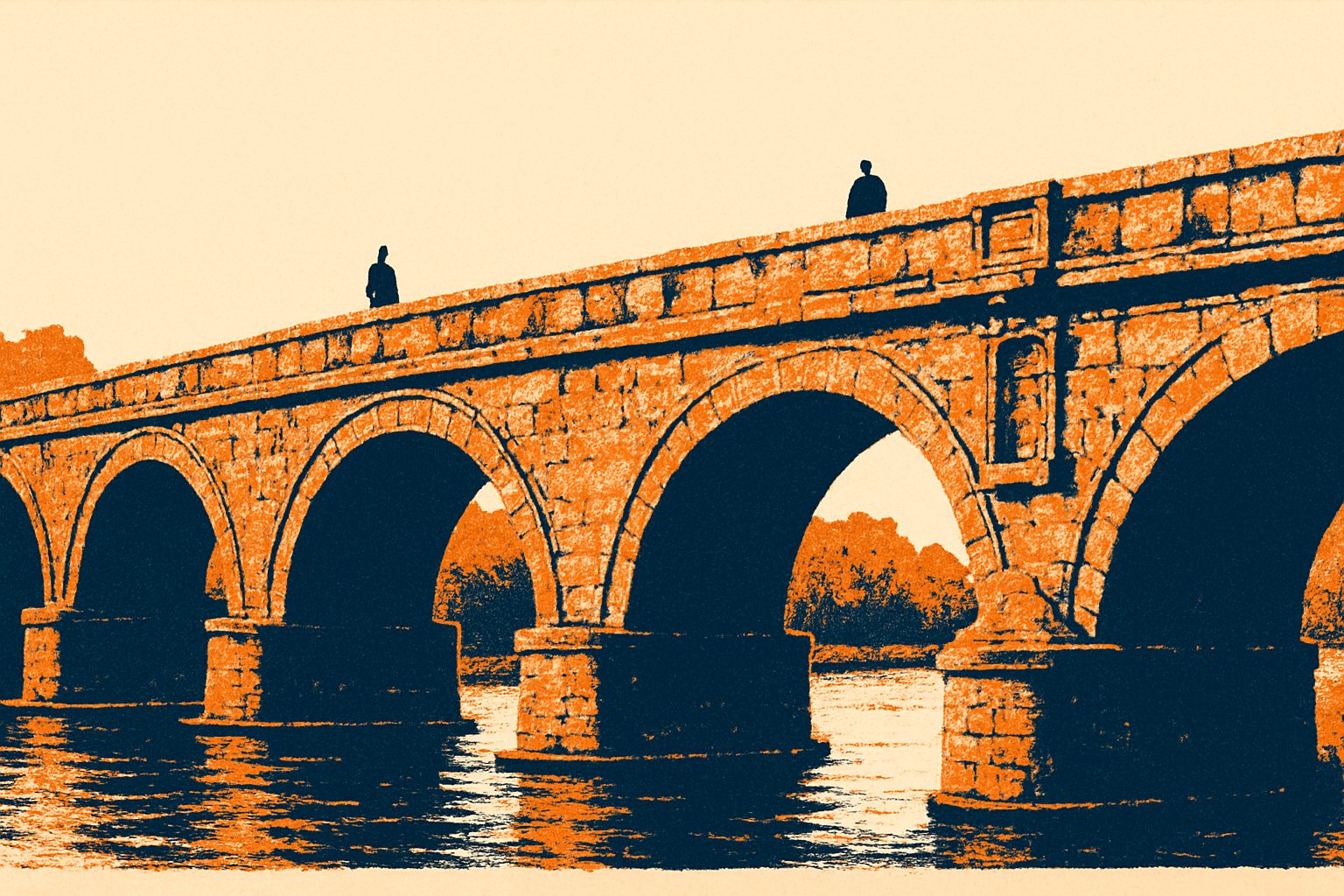
Roman bridge-building represented a quantum leap in engineering. Before Rome, most river crossings were temporary wooden structures. The Romans perfected the semicircular stone arch, distributing weight so efficiently that their bridges could support heavy loads for centuries without modern maintenance.
These weren’t merely functional structures. Roman bridges were statements of imperial power, often adorned with inscriptions commemorating the emperors or officials who commissioned them. They transformed Rome from a collection of hilltop settlements into a unified urban landscape, making the Tiber a highway rather than a barrier.
What makes Rome’s bridges particularly significant is their continuity. Unlike many Roman monuments that fell into ruin, several bridges have remained in constant use from antiquity to the present day, carrying modern Romans across the same arches that Roman legions once marched over.
Ponte Fabricio: Rome’s Oldest Surviving Bridge
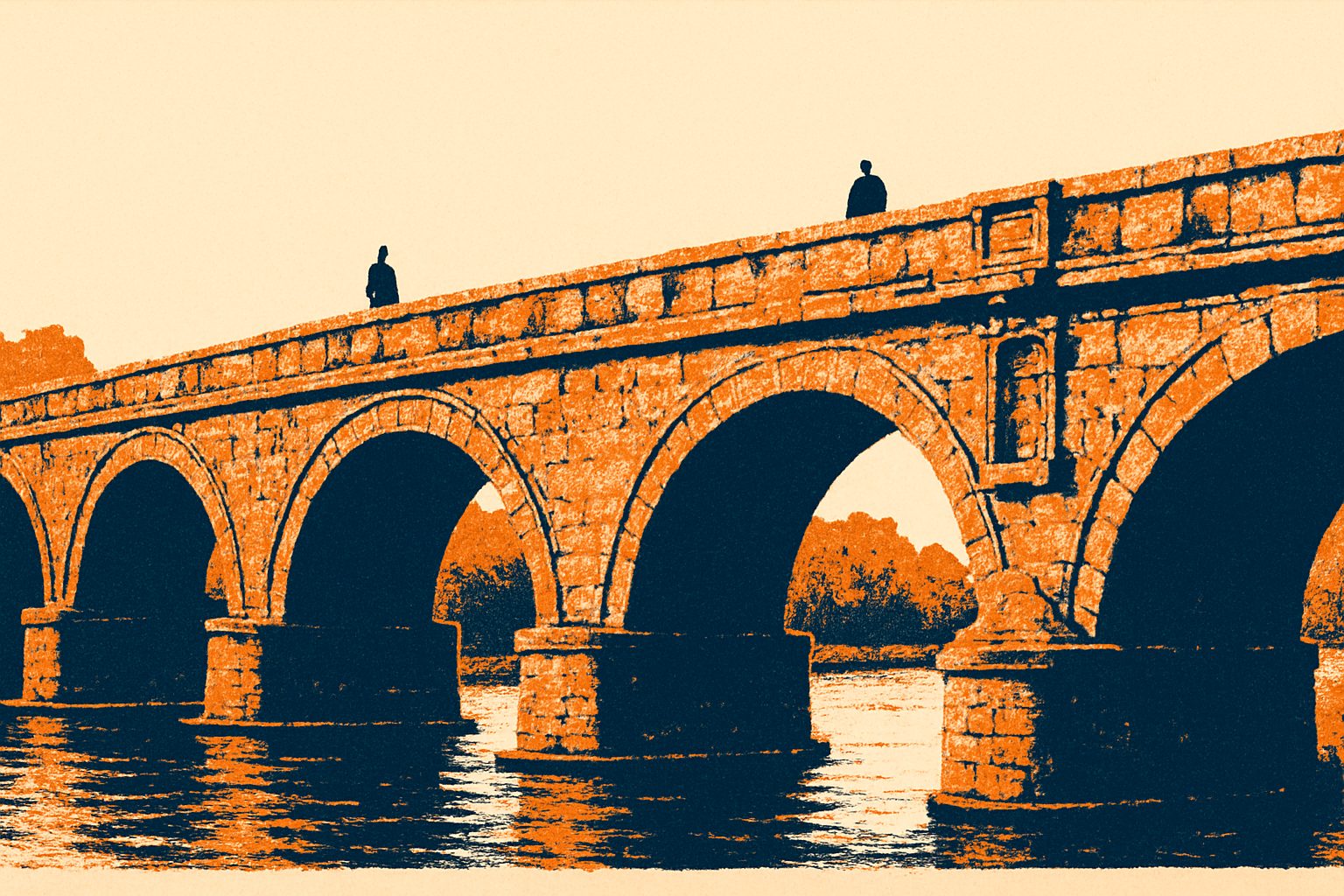
Built in 62 BCE, Ponte Fabricio is the oldest Roman bridge still standing in its original form. It connects the left bank of the Tiber to Tiber Island (Isola Tiberina), a small boat-shaped island that became an important religious and medical center in ancient times.
The bridge takes its name from Lucius Fabricius, the curator of roads who oversaw its construction. Two Latin inscriptions on the bridge record his name and the fact that he “took care of making and approving it”—one of the rare instances where we know the exact official responsible for a Roman monument.
The bridge consists of two main arches with a smaller opening in the central pier to allow floodwater to pass through—a clever design feature that has protected it from the Tiber’s periodic floods for over two millennia. Four marble herms (pillar sculptures) that once decorated the parapets are preserved in the Palazzo dei Conservatori.
Today, Ponte Fabricio carries pedestrian traffic between the Jewish Ghetto and Tiber Island. Walking across it offers a tangible connection to Republican Rome, rare in a city where most visible monuments date from the Imperial period.
Ponte Cestio: Connecting the Island to Trastevere
On the opposite side of Tiber Island stands Ponte Cestio, originally built around 46 BCE. While it has been rebuilt several times—most significantly in the 19th century—it still follows the Roman alignment and incorporates ancient materials in its piers.
The bridge connects the island to the Trastevere neighborhood, completing the crossing from the city center to the right bank. In ancient times, this route was crucial for accessing the Janiculum hill and the Via Aurelia, one of Rome’s major consular roads heading northwest.
Though less intact than Ponte Fabricio, Ponte Cestio demonstrates how Roman infrastructure shaped the city’s layout for centuries to come. The same crossing points the Romans established remain the natural routes through Rome today.
Ponte Milvio: Where Constantine Changed History
Further north along the Tiber, Ponte Milvio (Pons Milvius) occupies one of the most historically significant locations in Rome. Originally built in 206 BCE, this bridge witnessed one of the turning points of Western history: the Battle of the Milvian Bridge in 312 CE, where Constantine defeated Maxentius and subsequently legalized Christianity.
The bridge marked the point where the Via Flaminia, Rome’s main road to northern Italy, crossed the Tiber. Control of this crossing meant control of access to Rome from the north, making it a strategic military objective throughout Roman history.
The current structure combines ancient Roman foundations with medieval and Renaissance modifications. A defensive tower was added in the 15th century, and the bridge was partially rebuilt after being damaged during the Napoleonic period.
Today, Ponte Milvio sits in a more residential area of Rome, about 3 kilometers north of the historic center. The neighborhood around it offers a glimpse of contemporary Roman life away from the tourist circuits.
Ponte Sant’Angelo: The Bridge to Hadrian’s Tomb
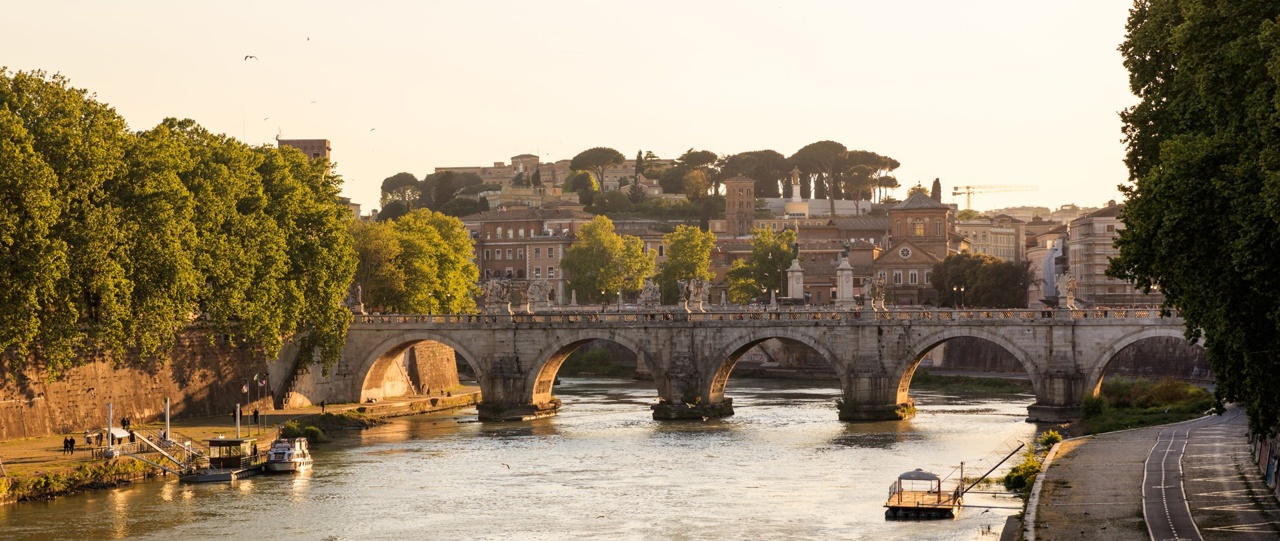
Originally known as Pons Aelius, Ponte Sant’Angelo was completed in 134 CE to provide access to Hadrian’s newly built mausoleum—the massive circular tomb now known as Castel Sant’Angelo. The emperor himself likely designed the bridge, as he was known for his architectural interests.
The bridge’s three central arches are original Roman construction, built in travertine with the same robust design that characterizes all Roman bridges. For centuries, it served as the main approach to St. Peter’s Basilica, making it one of the most trafficked routes in medieval and Renaissance Rome.
In the 17th century, sculptor Gian Lorenzo Bernini transformed the bridge into a Baroque masterpiece by designing ten angel statues, each holding an instrument of Christ’s Passion. These angels give the bridge its current name and make it one of Rome’s most photographed monuments.
The original Roman structure remains beneath the Baroque decoration. The three ancient arches, though often overlooked by visitors admiring Bernini’s angels, represent some of the finest examples of Imperial-era engineering still functioning in Rome.
Lost and Buried: Bridges Beneath the Modern City
Not all of Rome’s ancient bridges survive above ground. The Pons Agrippae, built by Marcus Agrippa during the Augustan age, stood in the area now occupied by Ponte Sisto. Its foundations were discovered during 19th-century excavations and remain buried beneath the modern riverbed.
Similarly, the Pons Aurelius connected the Campus Martius to Trastevere near today’s Ponte Sisto. Medieval sources mention it still standing in the 12th century, but it eventually collapsed or was demolished. Archaeological surveys have located its probable remains underwater.
These vanished bridges remind us that what we see today is only a fraction of ancient Rome’s infrastructure. The Tiber has risen several meters since antiquity, burying earlier embankments and foundations. Many structures that once lined the riverbanks now lie meters below the modern street level.
How Roman Bridge Technology Worked
Roman bridges relied on the semicircular arch, a form that channels weight outward and downward to the supporting piers. Unlike a flat beam, which can only span short distances before breaking under its own weight, an arch can cross wide rivers while supporting enormous loads.
The Romans built bridge piers by driving wooden pilings into the riverbed, then constructing cofferdams—watertight enclosures that allowed workers to build foundations below water level. Once the piers rose above the waterline, wooden frameworks called centering supported the arch stones as they were positioned.
The keystone—the central wedge-shaped block at the arch’s crown—was placed last, locking all the other stones into a self-supporting structure. Once completed, the wooden centering could be removed, and the arch would stand independently.
This technology allowed Rome to build bridges that exceeded anything previously possible. The Ponte Fabricio’s main spans measure about 24 meters each—modest by modern standards but extraordinary for structures built without steel or concrete reinforcement.
Best Times and Routes for Bridge Walking
The most rewarding way to experience Rome’s ancient bridges is to plan a walking route that connects several of them along the Tiber. Early morning or late afternoon offers the best light for photography and fewer crowds.
A classic route begins at Tiber Island, where you can cross both Ponte Fabricio and Ponte Cestio in succession, experiencing the oldest complete bridge crossing in Rome. From Trastevere, walk south along the riverbank toward Ponte Sublicio (modern, but marking an ancient crossing point) or north toward Ponte Sisto (Renaissance, but built on ancient foundations).
From the city center, a walk north along the Tiber embankment leads to Ponte Sant’Angelo, where you can admire both the Roman arches and Bernini’s angels. The surrounding area—the Borgo neighborhood—retains its medieval street plan, shaped by centuries of pilgrims approaching St. Peter’s via this bridge.
For a longer excursion, reaching Ponte Milvio requires a walk or bus ride north from the center, but the bridge and its surrounding park offer a peaceful contrast to the more heavily visited monuments further south.
Check weather forecasts before planning a bridge walk. The Tiber embankments can be windy in winter, and summer afternoons can be intensely hot with limited shade along the river.
What to Look For: Reading Roman Bridges
When examining a Roman bridge, start with the arches. Original Roman construction uses large blocks of travertine or tufa, carefully cut and fitted together without mortar. Later repairs and rebuilding often used brick or smaller stones, making different construction phases visible.
Look for inscriptions on the bridge faces or parapets. Roman builders typically commemorated the bridge’s construction with carved dedications, though many have weathered or been removed over the centuries. Ponte Fabricio preserves its original inscriptions on both sides.
Examine the piers and their relationship to the current water level. Most Roman bridges now sit higher above the Tiber than originally designed, because centuries of sedimentation have raised the riverbed. The ancient street level was often several meters below the modern pavement.
Notice how the bridges align with streets on both banks. Roman bridges didn’t just cross the river—they connected specific roads and neighborhoods in a planned network. Ponte Sant’Angelo, for example, aligns directly with the approach to Hadrian’s mausoleum, while Ponte Fabricio connects to the ancient paths through the Jewish Ghetto.
Planning Your Visit
Rome’s ancient bridges are public infrastructure, open at all times with no admission fees. They function as normal streets, carrying pedestrian and sometimes vehicular traffic.
The bridges themselves require no special preparation to visit, but understanding their historical context enriches the experience significantly. Consider combining bridge visits with nearby monuments: Tiber Island has churches worth seeing, Ponte Sant’Angelo leads to Castel Sant’Angelo, and the area around Ponte Fabricio includes the Teatro di Marcello and the Jewish Ghetto.
Most of the bridges are easily accessible by walking from central Rome. Ponte Milvio is further out but reachable by bus or tram. The area around each bridge offers cafes and restaurants where you can pause during a longer walking route.
Be aware that Rome’s traffic can make some bridges less pleasant to linger on than others. Ponte Fabricio and Ponte Cestio are pedestrian-only, making them ideal for taking time to examine the construction. Ponte Sant’Angelo is also largely pedestrian, though crowded during peak tourist seasons.
Why These Monuments Deserve More Attention
In a city overflowing with famous monuments, Rome’s ancient bridges offer something unique: structures that have never stopped serving their original purpose. The Colosseum is a magnificent ruin, but it hasn’t hosted gladiators in 1,500 years. Ponte Fabricio has carried traffic continuously since 62 BCE.
This continuity makes the bridges particularly valuable for understanding how Roman engineering shaped not just the ancient city but the modern one. Contemporary Rome still flows along routes established by Roman bridge builders two millennia ago.
The bridges also demonstrate Roman engineering at its most refined. Without the grand decoration of temples or the massive scale of amphitheaters, they reveal pure structural logic: how to span a river efficiently and build something that lasts. Their survival proves they got it right.
For travelers interested in seeing beyond the standard tourist circuit, Rome’s bridges offer genuine hidden gems—monuments that few visitors pay attention to, despite walking across them. Taking time to notice what you’re walking on transforms these crossings from mere routes into connections with the ancient world.
If you’d like to explore Rome’s ancient engineering and architectural heritage with expert context, Trip in Art offers guided experiences that reveal the layered history beneath the city’s streets and bridges.