Walking through the Roman Forum for the first time can feel overwhelming. You’re standing amid broken columns, partial walls, and scattered foundation stones, trying to imagine the marble-clad temples and bustling public spaces that once defined the center of ancient Rome. This guide will help you understand what you’re looking at and why these ruins matter.
What the Roman Forum Actually Was
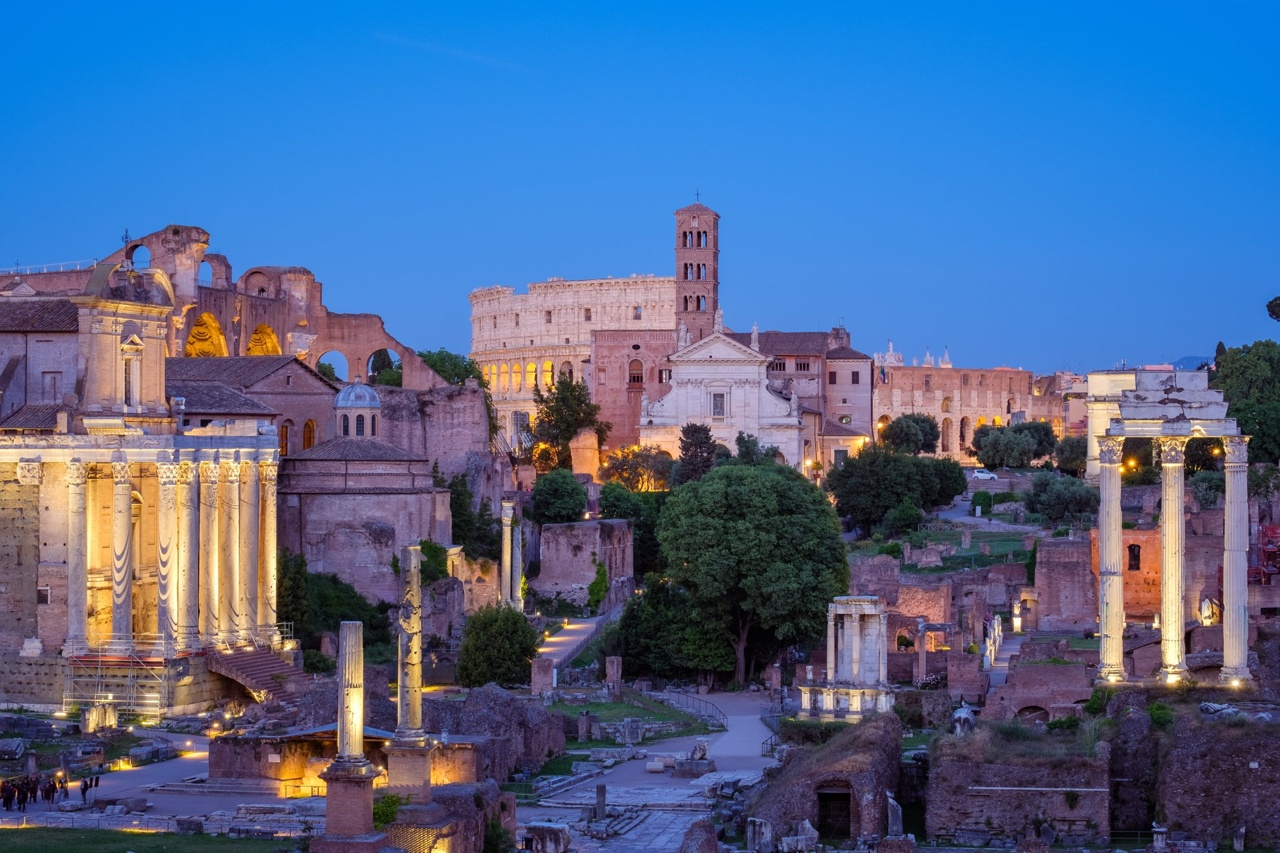
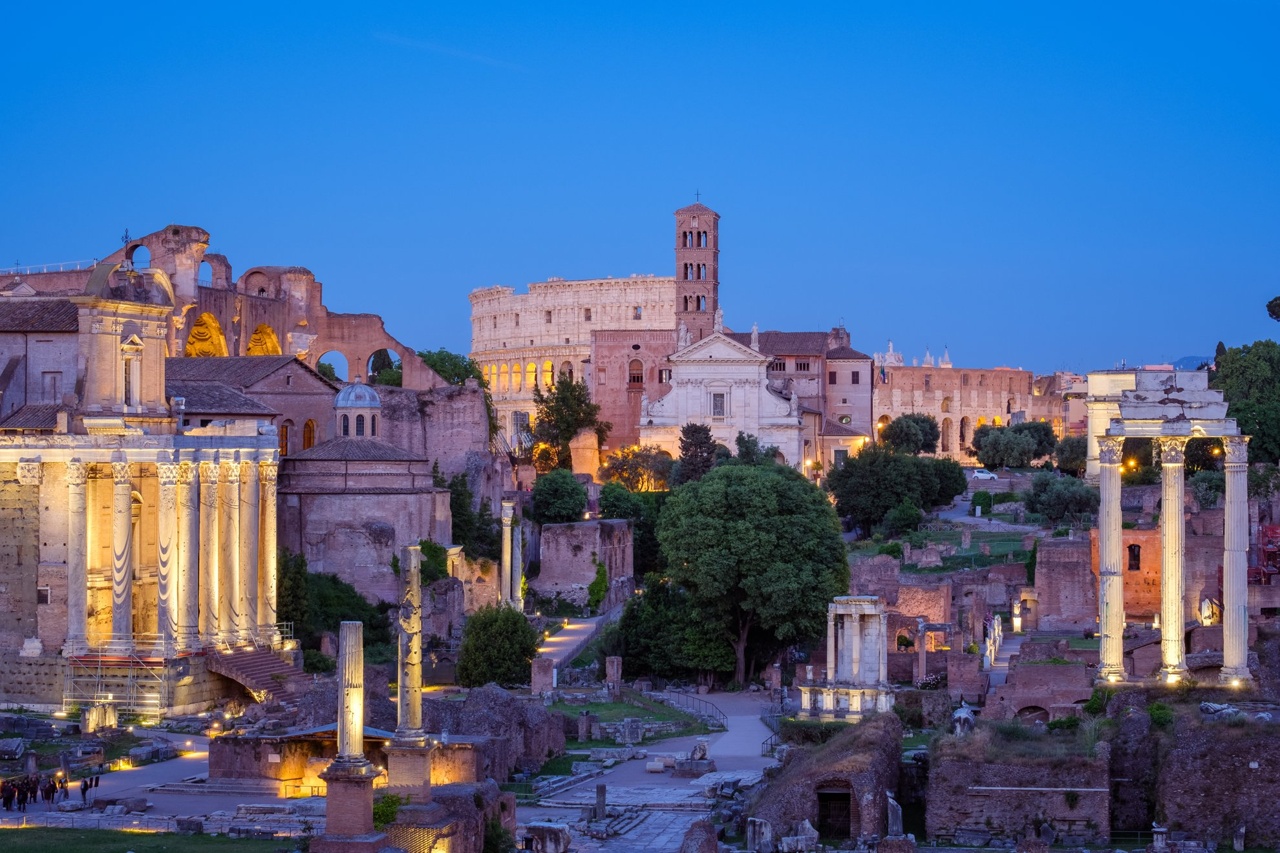
The Forum Romanum wasn’t a single building—it was a valley between Rome’s hills that became the civic, religious, and commercial heart of the ancient city. From the 7th century BC through the Imperial period, this was where Romans conducted trials, held elections, gave speeches, worshipped their gods, and celebrated military triumphs.
Think of it as a combination of government district, cathedral square, stock exchange, and town hall, all compressed into a narrow rectangular space roughly 250 meters long. By the 2nd century AD, the original Forum had become so crowded with monuments that successive emperors built their own adjacent forums—the Imperial Forums—creating an even larger complex of public spaces.
Key Structures and What They Tell Us
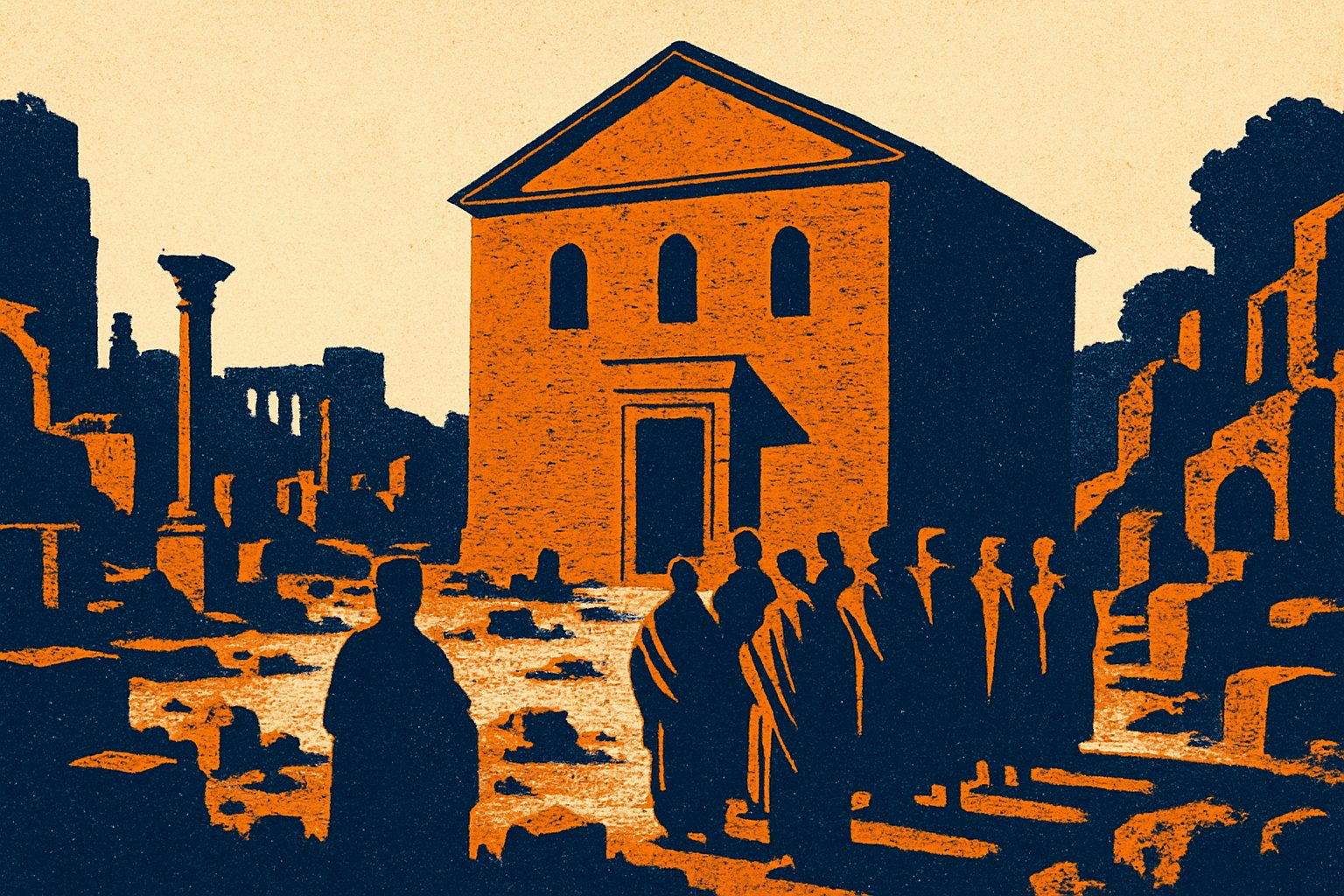
The Senate House (Curia)
The brick building with the simple geometric facade is one of the best-preserved structures in the Forum. This is where the Roman Senate met—not the emperor’s palace, but the chamber where Rome’s legislative body debated. The current structure dates to the reconstruction under Diocletian in the 3rd century AD, but a senate house stood on this spot for centuries before.
The plain exterior was deliberate: Roman republican values emphasized civic duty over personal display. Inside, the senators sat on stepped platforms along the walls, and the building’s excellent acoustics meant every voice could be heard.
The Arch of Septimius Severus
This triple arch from 203 AD celebrated military victories in the eastern provinces. Triumphal arches weren’t just decorative—they were political statements in stone, reminding citizens of Rome’s power and the emperor’s role as military commander. The detailed relief panels show specific battle scenes and conquered peoples.
Look closely at the inscription: you can see where names were chiseled out. This is “damnatio memoriae”—the erasure of disgraced individuals from public monuments, in this case Septimius Severus’ son Geta, murdered by his brother Caracalla.
The Temple of Saturn
Those eight imposing columns at the Forum’s western end are what remains of one of Rome’s oldest temples, originally built around 497 BC and reconstructed multiple times. Saturn was the god of agriculture and wealth, and his temple housed the state treasury.
This wasn’t just symbolic: Roman officials physically stored tax revenues, gold reserves, and official standards here. The temple’s role as both religious shrine and national bank shows how intertwined sacred and civic functions were in Roman society.
The Basilica of Maxentius
The three massive concrete vaults that dominate the Forum’s eastern end belonged to the largest basilica ever built in Rome. Begun by Emperor Maxentius around 308 AD and completed by Constantine, this building demonstrates Roman engineering at its peak.
Basilicas were covered public halls used for legal proceedings and business transactions—the Roman equivalent of a courthouse and commercial exchange combined. The central nave reached 35 meters high, and the entire structure was covered in marble and decorated with colossal statues. One foot from a statue of Constantine, found in the basilica, is now in the Capitoline Museums—it’s nearly a meter long, giving you a sense of the original statue’s scale.
The Imperial Forums: Expanding Rome’s Civic Center
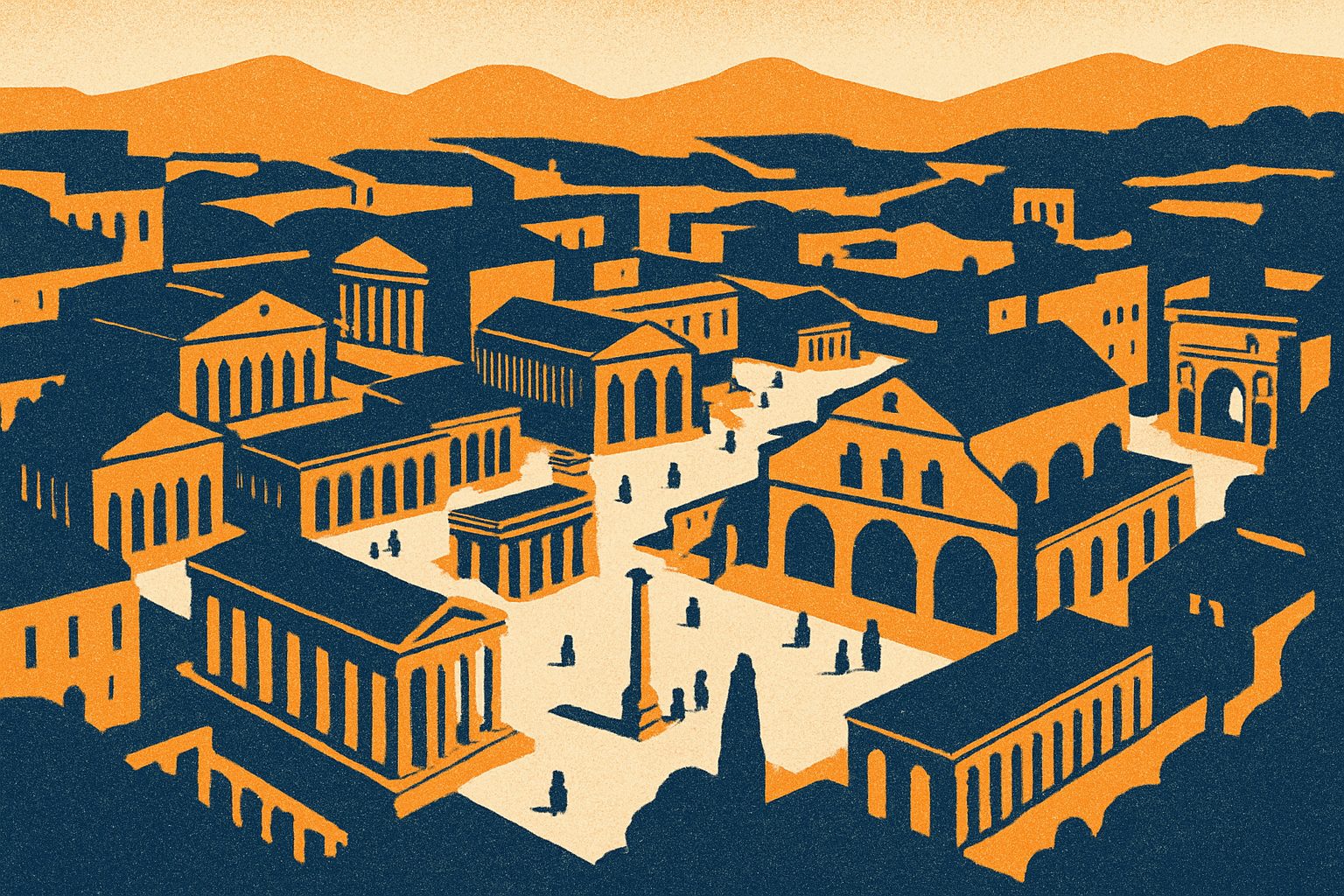
As the original Forum became too crowded, Julius Caesar began the practice of building new forum complexes nearby. Augustus, Vespasian, Nerva, and Trajan each added their own forums, creating a monumental district stretching from the old Forum northeast toward the Quirinal Hill.
Trajan’s Forum was the largest and last, completed around 112 AD. It included a massive basilica, libraries, a temple, and markets—a semi-circular complex of shops and offices built into the Quirinal Hill that’s remarkably well preserved. Trajan’s Column, still standing at its full height of 38 meters, shows the emperor’s military campaigns in Dacia in a continuous spiral relief—a kind of ancient visual narrative that influenced art and propaganda for centuries.
How to Approach Your Visit
Timing and Logistics
The Roman Forum, Palatine Hill, and Colosseum share a combined ticket. Verify current ticket options and opening hours on the official Parco archeologico del Colosseo website before your visit, as policies and access points change seasonally.
The archaeological area is extensive—plan at least two to three hours to walk through the Forum and Palatine areas without rushing. There’s minimal shade, so summer visits early in the morning or late afternoon are more comfortable. Winter offers softer light and fewer crowds, though some areas may close earlier.
Making Sense of the Ruins
The Forum’s current state—scattered ruins at various levels—can be confusing because you’re seeing multiple time periods collapsed into one landscape. Some structures date to the Republic, others to the early Empire, and still others to late antiquity. Medieval and Renaissance builders also quarried the site for marble and building materials, which is why so many temples are reduced to their foundations.
A guided small-group visit with an archaeologist or historian transforms the experience. Someone who can point out architectural details, explain what stood where, and connect the physical space to historical events helps the ruins come alive in a way that wandering alone rarely achieves.
The View from Above
For context, climb the Palatine Hill before or after exploring the Forum floor. From the terraces above, you can see how the Forum sits in its valley, understand the spatial relationships between buildings, and trace the ancient roads that connected different areas. The elevated perspective makes the urban planning logic visible in a way that’s impossible when you’re down among the columns.
Why These Ruins Still Matter
The Roman Forum isn’t just about ancient history—it’s where many concepts central to Western political and legal culture took physical form. The Senate, legal advocacy, public records, civic architecture, triumphal monuments, the calendar (Julius Caesar reformed it here), even the word “forum” itself as a place of public discourse—all of these originated or developed in this space.
When Renaissance architects looked for models of civic grandeur, when Enlightenment thinkers debated republican government, when modern cities planned their public squares and government districts, they looked back to the Roman Forum. Understanding what happened here helps explain not just ancient Rome, but how that civilization’s ideas shaped the world that came after.
Practical Details Worth Knowing
The main entrance to the Roman Forum is on Via dei Fori Imperiali, but you can also enter from the Palatine Hill side on Via di San Gregorio. The route you take through the site affects what you see first and how easily you can navigate—consider starting from the Arch of Titus on the Palatine side and walking down into the Forum valley, which gives you the elevated view first.
Restrooms and water fountains are limited once you’re inside the archaeological area. There are small cafés near the entrances, but nothing within the ruins themselves.
For the Imperial Forums, much of the area is visible from street level along Via dei Fori Imperiali, though you can’t walk through all sections. Trajan’s Markets operate as a separate museum with its own ticket and hours—worth visiting if you want to see a well-preserved example of Roman commercial architecture.
Beyond the Standard Route
If you have extra time, the Capitoline Museums hold numerous artifacts excavated from the Forum, including the original bronze Marcus Aurelius equestrian statue and sculptures that once decorated the Forum’s temples. Seeing the objects in the museum after visiting the archaeological site creates useful connections.
The small church of Santa Maria Antiqua, built into the structures at the Forum’s edge, preserves some of the oldest Christian frescoes in Rome, showing how the site transitioned from pagan to Christian use. Access is sometimes limited, so check current visiting conditions in advance.
Book your timed entry in advance to make the most of your visit. A small-group guided experience with experts who know the archaeology, architecture, and history can reveal layers of meaning that might otherwise remain invisible among the ruins.
For more planning resources and expert-led cultural experiences in Rome, visit Trip in Art.