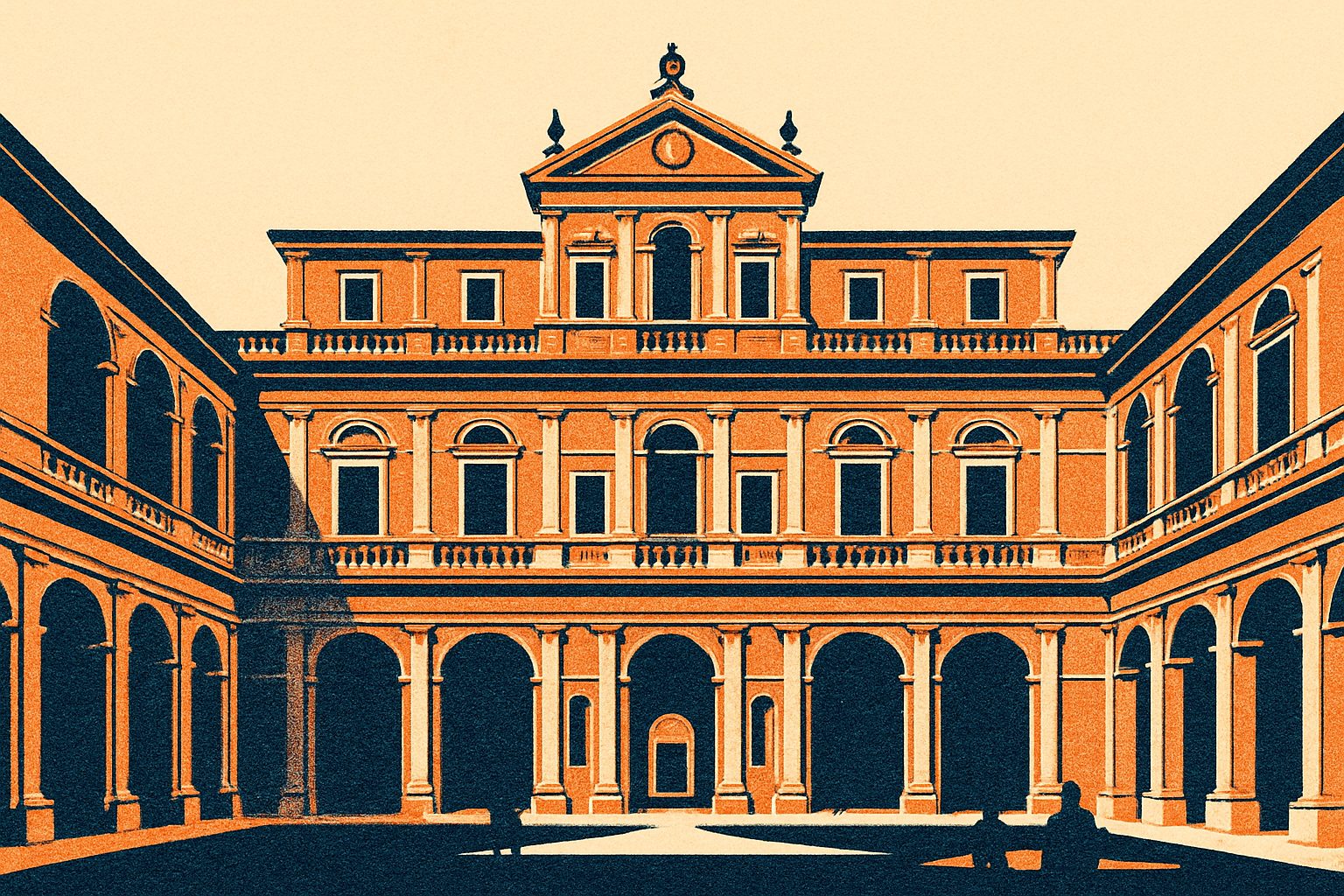
While Rome is famous for its ancient ruins and baroque fountains, the city’s Renaissance palaces often go overlooked by visitors focused on the Colosseum and Vatican. Yet these grand residences—built for cardinals, bankers, and popes between the 15th and 16th centuries—contain some of the most exquisite frescoes, courtyards, and architectural innovations in Europe. Many are still standing, and several open their doors to the public. Here’s what makes them essential, and how to experience them.
Why Rome’s Renaissance Palaces Matter
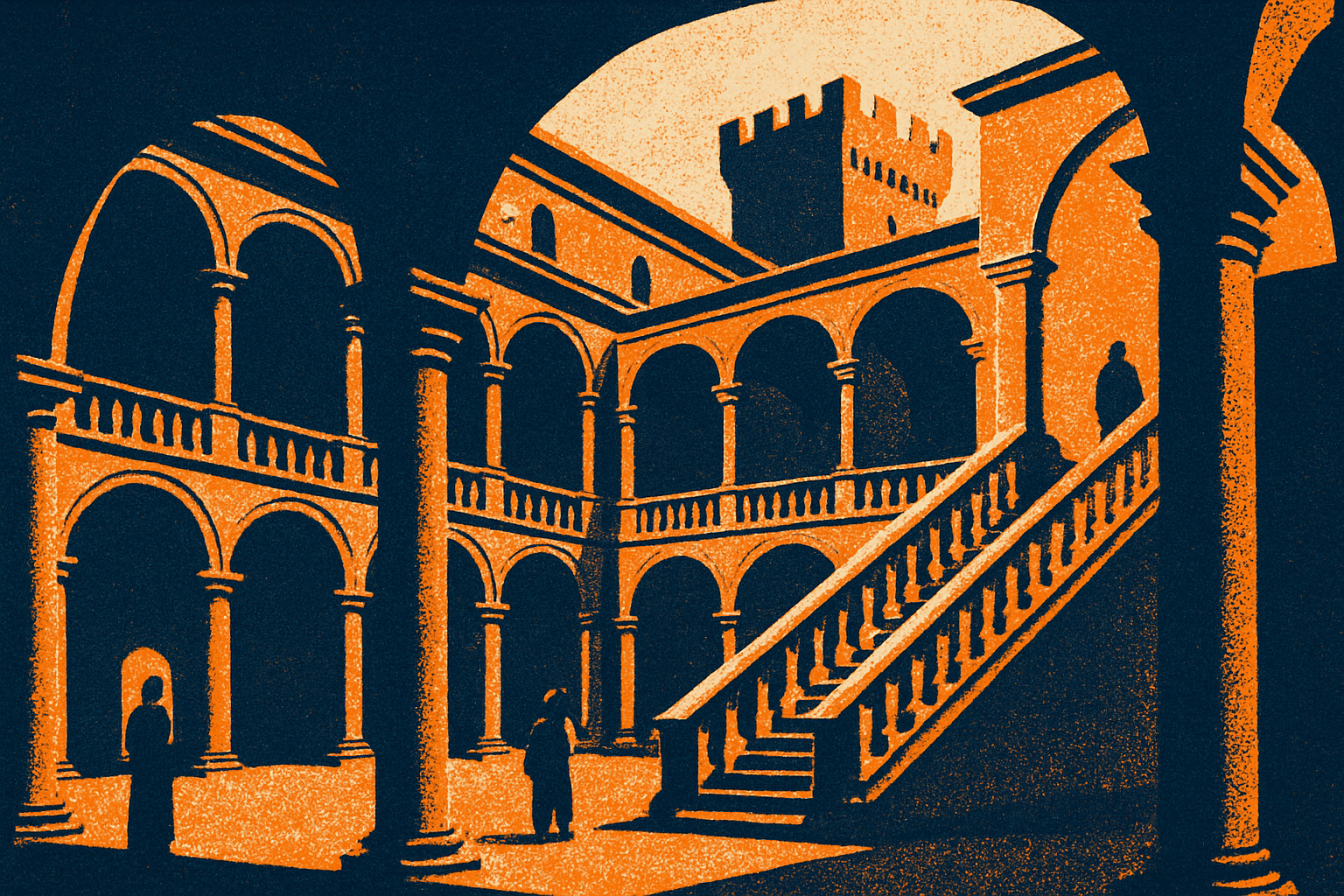
The Renaissance arrived in Rome later than Florence, but when it did, it transformed the city. Papal patrons and wealthy families commissioned architects like Bramante, Raphael, and Antonio da Sangallo the Younger to design palaces that reflected humanist ideals: symmetry, proportion, and the revival of classical forms.
Unlike medieval fortresses, these palaces opened onto elegant courtyards and featured grand staircases, loggias, and frescoed halls. They were stages for diplomacy, art patronage, and displays of power. Today, they offer a quieter, more intimate encounter with Rome’s artistic heritage than the crowded galleries of the Vatican Museums.
Palazzo Farnese: The Renaissance Palace Par Excellence
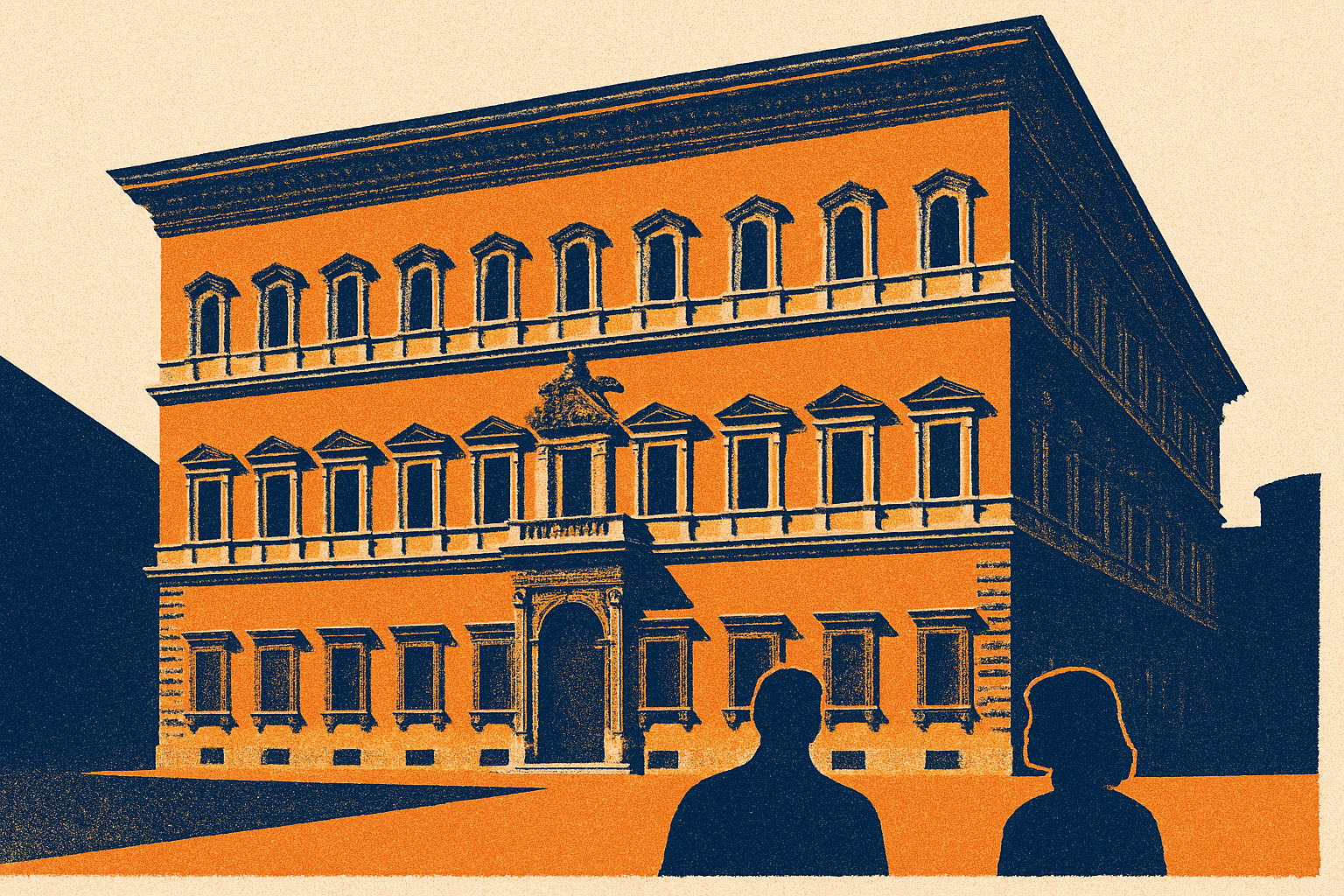
Palazzo Farnese, near Campo de’ Fiori, is widely regarded as the finest Renaissance palace in Rome. Begun in 1517 for Cardinal Alessandro Farnese (later Pope Paul III), it was designed by Antonio da Sangallo the Younger and completed by Michelangelo, who designed the extraordinary cornice and the upper floors.
The palazzo now houses the French Embassy, but guided visits are available by reservation. Inside, the Galleria dei Carracci—a long gallery frescoed by Annibale Carracci between 1597 and 1608—is one of the masterpieces of late Renaissance art. The ceiling depicts mythological scenes with a dynamism and illusionism that influenced baroque painting for generations.
The courtyard alone is worth the visit: three tiers of classical arches, perfectly proportioned, creating a sense of calm grandeur. It’s a textbook example of Renaissance architectural principles translated into stone.
Visiting Palazzo Farnese
Access is limited and requires advance booking through the French Embassy’s cultural office. Tours are typically offered in French, Italian, or English and last about one hour. Confirm availability and reservation procedures on the official embassy website before planning your visit.
Palazzo Spada: The Gallery of False Perspective
A short walk from Palazzo Farnese, Palazzo Spada is smaller but no less fascinating. Built in 1540 and later acquired by Cardinal Bernardino Spada, it houses the Galleria Spada, a collection of 17th-century paintings, and one of Rome’s most delightful visual tricks.
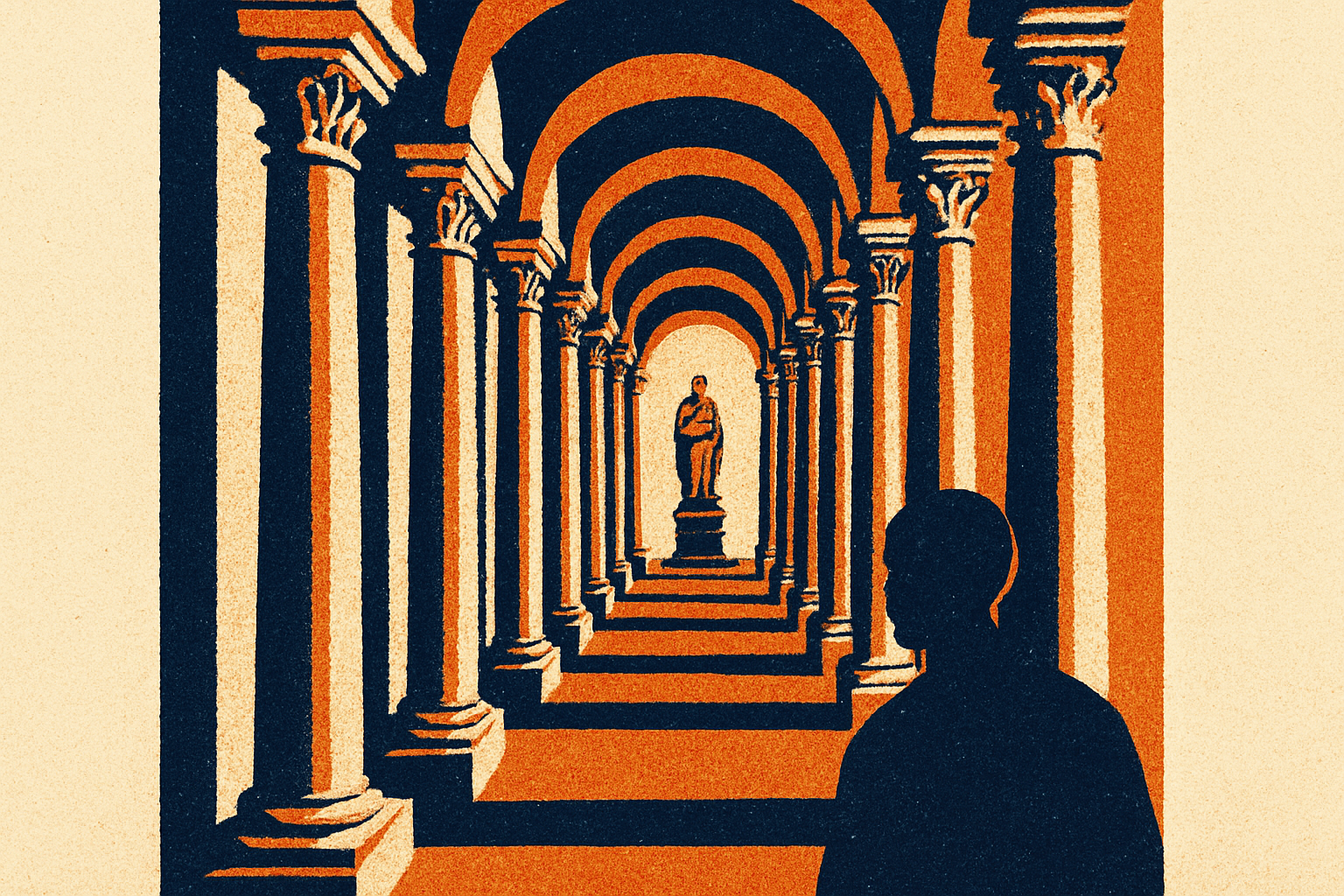
The Galleria Prospettica, designed by Francesco Borromini in 1652, appears to be a long colonnaded corridor leading to a life-sized statue in a sunlit courtyard. In reality, the corridor is only nine meters long, and the statue is just 60 centimeters tall. Borromini used forced perspective—diminishing column heights and a sloping floor—to create the illusion of depth. It’s a baroque flourish embedded in a Renaissance palace, and it never fails to surprise.
The palazzo’s façade is equally rich, covered in stucco reliefs depicting Roman heroes and mythological figures. The interior rooms feature frescoed ceilings and period furnishings that evoke the atmosphere of a cardinal’s residence.
Visiting Palazzo Spada
The Galleria Spada is open to the public most days except Mondays. The museum is manageable in size, making it ideal for a focused visit. Check official museum hours before your trip, as they can vary seasonally.
Villa Farnesina: Raphael’s Frescoes and Renaissance Gardens
Across the Tiber in Trastevere, Villa Farnesina was built between 1506 and 1511 for the Sienese banker Agostino Chigi, one of the wealthiest men in Europe. The villa was designed by Baldassare Peruzzi and decorated by some of the leading artists of the High Renaissance, including Raphael and Sebastiano del Piombo.
The Loggia of Cupid and Psyche, frescoed by Raphael’s workshop around 1518, depicts scenes from the myth of Psyche with luminous color and graceful composition. The adjacent Loggia of Galatea features Raphael’s celebrated Triumph of Galatea, a fresco that captures the elegance and movement of classical mythology reborn.
Peruzzi’s Sala delle Prospettive on the upper floor uses trompe-l’œil frescoes to create the illusion of open loggias overlooking Rome—an early example of illusionistic architecture that anticipates later baroque experiments.
Visiting Villa Farnesina
Villa Farnesina is open to the public, typically from morning through early afternoon, with extended hours on certain days. Because it’s smaller and less crowded than major museums, it offers a more contemplative experience. Verify current opening times and ticket information on the official website.
Palazzo Venezia: From Renaissance Residence to Mussolini’s Balcony
Palazzo Venezia, at the foot of the Capitoline Hill, was one of the first great Renaissance palaces in Rome, built in the mid-15th century. Originally a papal residence, it later became the Venetian embassy, and in the 20th century, Mussolini used it as his headquarters.
Today it houses the Museo Nazionale di Palazzo Venezia, with collections of medieval and Renaissance art, ceramics, and tapestries. The palazzo’s architecture—with its fortress-like exterior and Renaissance courtyard—reflects the transition between medieval and Renaissance styles.
The building’s historical significance extends beyond art: the balcony overlooking Piazza Venezia was the site of Mussolini’s public speeches, a reminder of how Renaissance spaces have been repurposed across centuries.
When to Visit Rome’s Renaissance Palaces
Spring (April to June) and autumn (September to October) offer the best weather and manageable crowds. Mornings tend to be quieter, especially at smaller sites like Villa Farnesina and Palazzo Spada.
Because several palaces require advance reservations or have limited opening hours, plan ahead. Confirm schedules on official websites, particularly for Palazzo Farnese, which operates on a strict booking system.
How to Approach Your Visit
Unlike the sprawling Vatican Museums, Renaissance palaces reward focused, unhurried exploration. Allow at least an hour per site. Bring a notebook or smartphone to jot down details—these buildings are rich in architectural and symbolic references that deepen with attention.
If you’re traveling with a small group or want deeper historical context, a guided visit led by an art historian can illuminate the connections between architecture, patronage, and the political landscape of Renaissance Rome.
Why These Palaces Deserve Your Time
Rome’s Renaissance palaces are not just beautiful buildings—they’re documents of an era when art, architecture, and ambition converged. They reveal how cardinals and bankers shaped the city’s skyline, how Raphael and Michelangelo responded to classical ideals, and how illusion and perspective became tools of wonder.
For travelers seeking a layered understanding of Rome beyond the standard itinerary, these palaces offer quiet revelation. They’re less photographed, less crowded, and often more personally affecting than the blockbuster sites.
If you’d like to explore Rome’s Renaissance art and architecture with expert insight and in a small-group setting, Trip in Art offers curated cultural experiences designed for curious travelers.