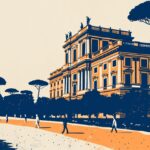
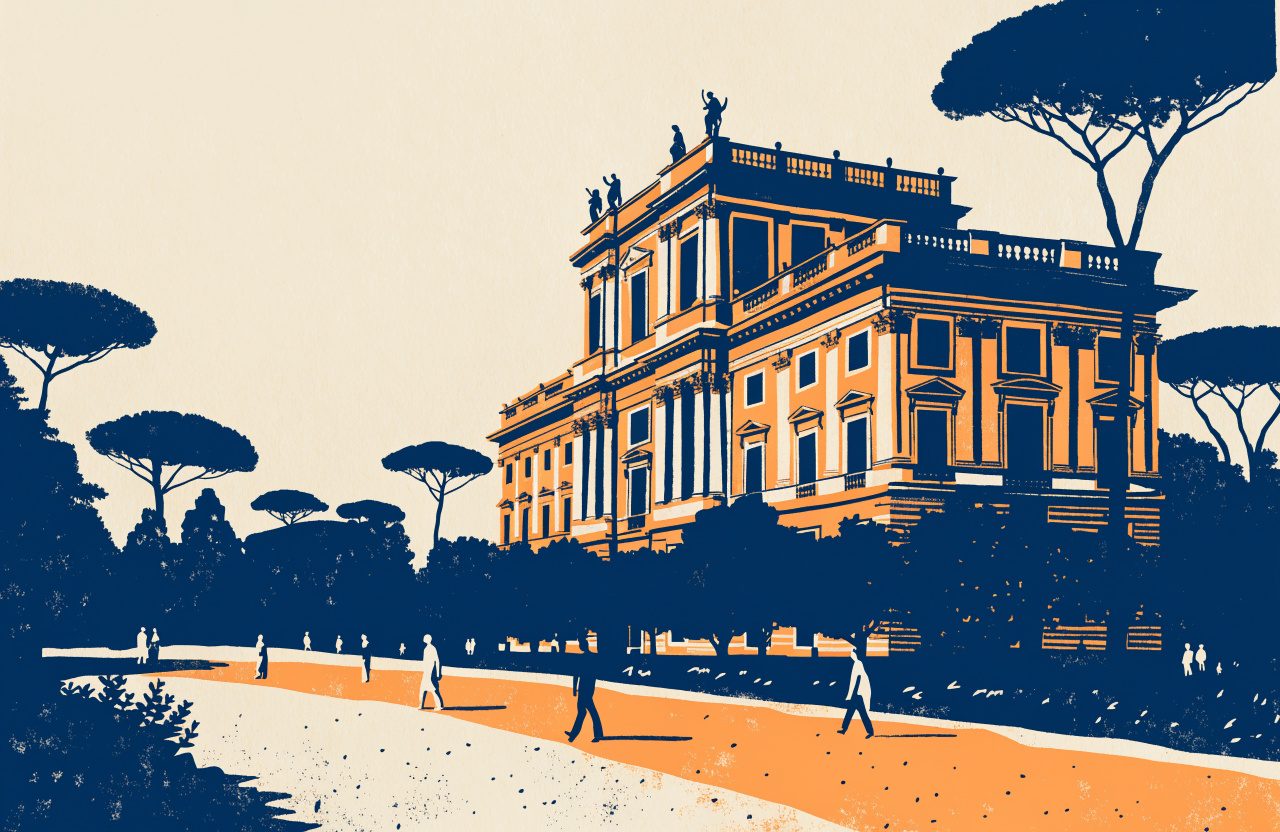
Rome has bigger museums, but few places concentrate so much beauty in so little space as the Galleria Borghese. It sits inside Villa Borghese, the large landscaped park north of the historic centre. The villa was built to show off one man’s taste, and it still feels like a private collection rather than a public institution.
Why the Borghese collection matters
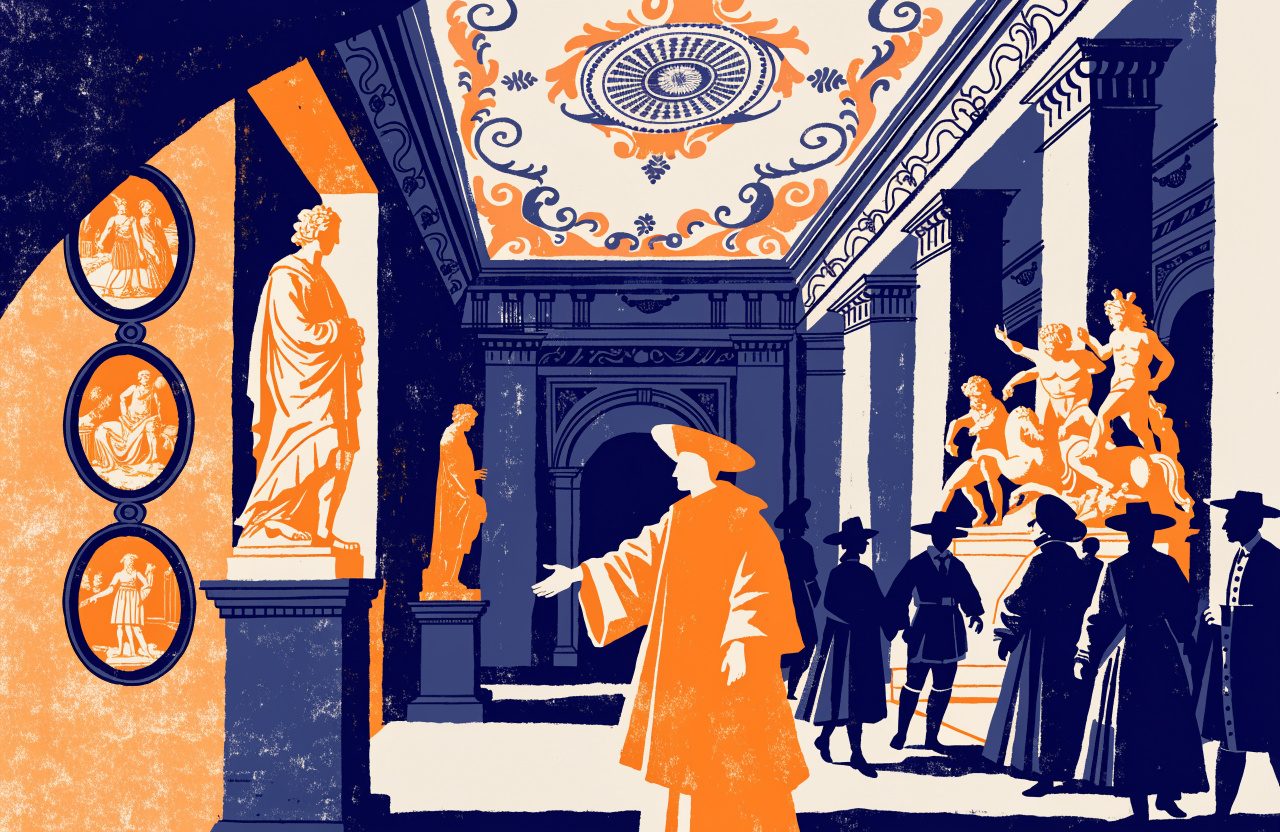
The villa was commissioned in the early seventeenth century by Cardinal Scipione Borghese, nephew of Pope Paul V. He was a powerful churchman, a patron and a passionate collector. He wanted a garden retreat where he could entertain guests and display ancient sculpture alongside the most daring art of his own day.
That mix is what makes the museum special. Roman antiquities, Renaissance paintings and early Baroque sculpture share the same rooms. The decorated ceilings, coloured marbles and mosaic floors are part of the display, so the architecture is as much a part of the experience as the individual works.
The state later acquired the collection, and the grounds became a public park. Today the two are best understood together: the villa is the jewel, and the park is its setting.
What to look for inside

The museum is compact, which is its strength. You can look closely instead of hurrying past. Here is where to focus.
Bernini’s early sculptures
The young Gian Lorenzo Bernini made several of his most astonishing works for Cardinal Borghese, and they are the heart of the ground floor.
- Apollo and Daphne: the moment from Ovid’s Metamorphoses when the nymph begins to turn into a laurel tree. Look at the leaves and bark growing from her fingers, which are carved in marble that seems almost too thin to survive.
- The Rape of Proserpina: a study in tension between a powerful god and a struggling figure. Walk around it slowly; the composition changes with every step.
- David: caught mid-movement, twisting to hurl the stone. Compare it with the calm, static Davids of the Renaissance.
Move around each statue instead of viewing it from one angle only. Bernini planned them to be discovered gradually.
Canova’s Pauline Bonaparte
Antonio Canova’s reclining portrait of Napoleon’s sister as Venus Victorious is a very different mood: cool, polished and neoclassical. It shows how the collection kept growing and changing long after the cardinal’s time.
The picture gallery upstairs
The upper floor holds paintings by some of the great names of the Renaissance and Baroque, including Raphael and Titian. Titian’s allegorical work often called Sacred and Profane Love is a good place to slow down. The collection also includes pictures by Caravaggio, but you can see a fuller picture of his work across the city’s churches. Here, focus on the Venetian colour and the Renaissance compositions.
Do not neglect the ceilings. Painted skies, stucco and gilded details turn the rooms themselves into artworks, and many visitors forget to look up.
Planning your visit
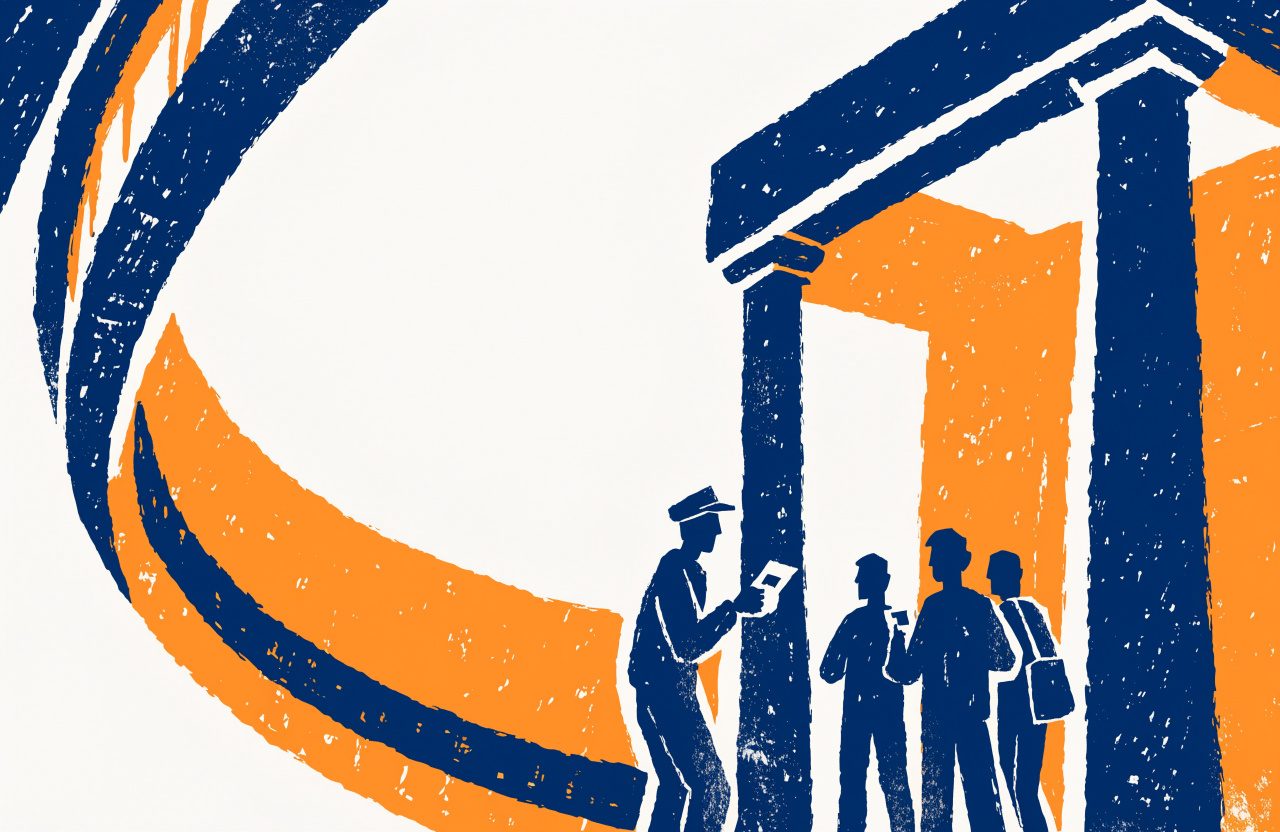
The Galleria Borghese operates with timed entry, so plan ahead. Reserve your tickets in advance and enter with your group at your scheduled time. Visits run in fixed time windows, not as open-ended wandering. Opening days, hours, ticket types and prices change, so check the official museum website before you go.
A few practical tips:
- Book early. Slots can sell out well ahead in busy seasons, especially spring and autumn.
- Arrive in good time. Allow time to find the villa within the park and to complete any check-in or bag procedures.
- Pack light. Larger bags usually need to be left in a cloakroom, so travelling light saves time. Confirm current rules on the official site.
- Respect the rooms. The works are fragile and the space is intimate. Keep your distance, follow the staff’s directions and observe the photography rules.
The best times to visit
The museum is a good choice in any season because it is indoors. Spring and autumn are the most pleasant for combining it with a park walk. Winter brings a quieter feel and clear light. In summer, the park’s shade is a welcome retreat from the heat of the city.
To beat the crowds in the gardens, go in the morning or in the hour before sunset, when the light is soft and the paths are calmer. Weekends are livelier, with local families, joggers and cyclists sharing the park.
Beyond the villa: exploring Villa Borghese park
Give yourself time for the park, which is one of Rome’s most pleasant green spaces. It is large enough to have different moods, from formal avenues to quieter corners.
The Pincio terrace
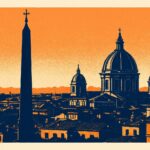
At the western edge of the park, the Pincio terrace looks over Piazza del Popolo and the rooftops of central Rome. On a clear day the dome of St. Peter’s rises on the skyline. It is a natural place to end a visit, especially late in the day.
Gardens, lake and small monuments
Wander towards the small lake, where a little neoclassical temple stands on an island, or follow the shaded avenues past fountains, statues and pavilions. The park also contains other museums and cultural venues, so check what is on during your visit.
Walking in from the centre
The park is within walking distance of Piazza del Popolo and the Spanish Steps area. A slow walk uphill is a pleasant way to arrive, and it lets you see how the park connects to the historic city.
Making the most of it
The Galleria Borghese rewards preparation. Read a little about Bernini’s myths and the cardinal’s story beforehand, and you will notice far more once inside. Afterwards, keep the afternoon open for the park. The contrast between the dense, jewel-like rooms and the open green space is part of what makes this one of the most satisfying art visits in Rome.
If you would like context on the collection and the city around it, a guided small-group visit can help connect the art to its history. You can also find more planning ideas in the Trip in Art Rome travel guide.