The City Built on Layers of History
Rome isn’t just ancient—it’s multi-dimensional. Beneath the cobblestones you walk on, beneath the piazzas where you sip your espresso, lie entire worlds that most visitors never experience. The Eternal City has been continuously inhabited for nearly three millennia, and each civilization built directly atop the ruins of the last. The result? A vertical archaeological lasagna where you can descend through layers of time, each level revealing secrets that transform your understanding of Roman history.
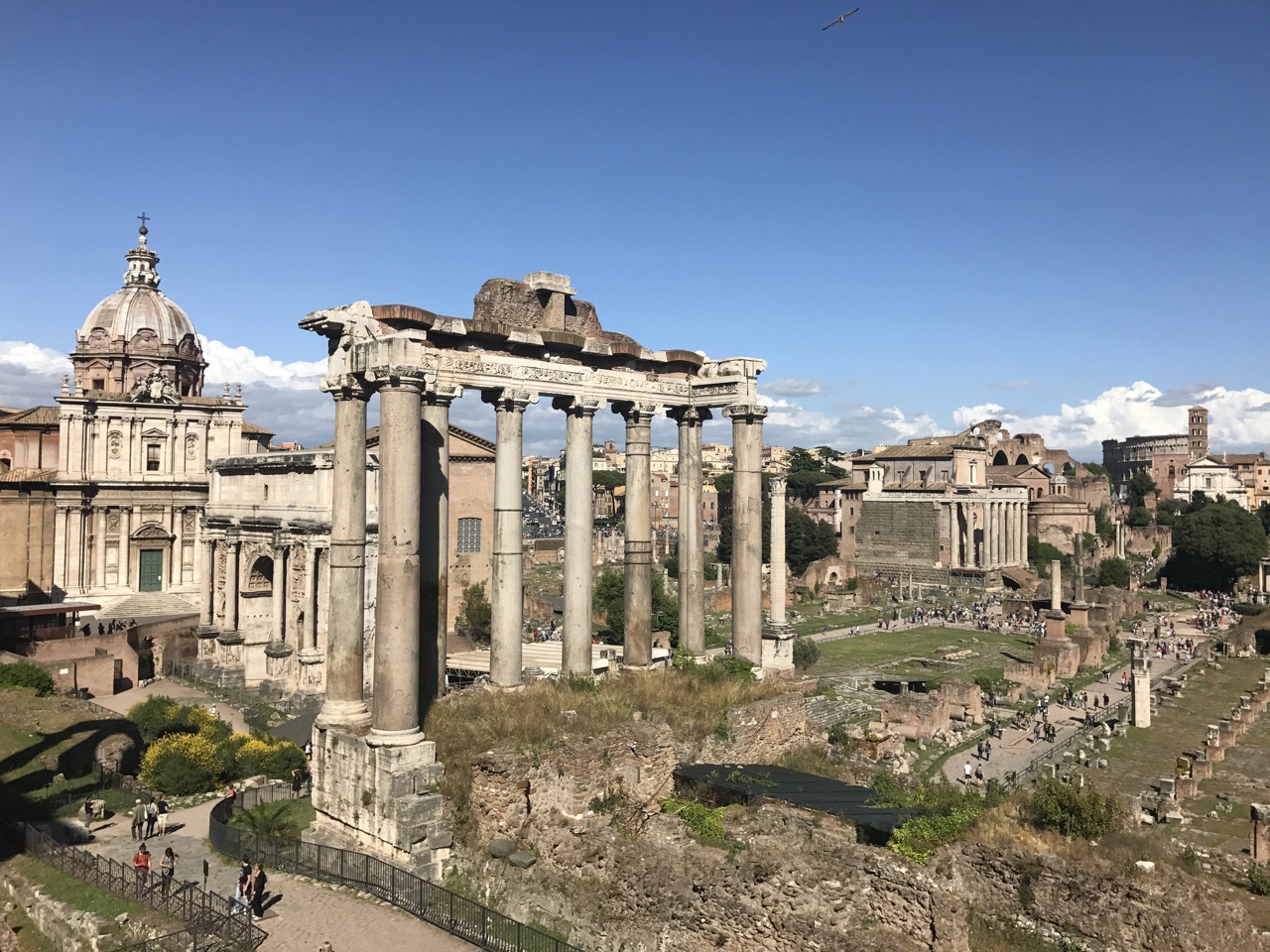
While the postcard-perfect views of the Trevi Fountain and the Pantheon are undeniably magnificent, they represent only a fraction of Rome’s story. The real narrative—the gritty, visceral, and often more fascinating tale—unfolds below ground level, where shadows preserve what sunlight has long forgotten.
The Colosseum’s Hypogeum: Where Gladiators Waited for Glory or Death
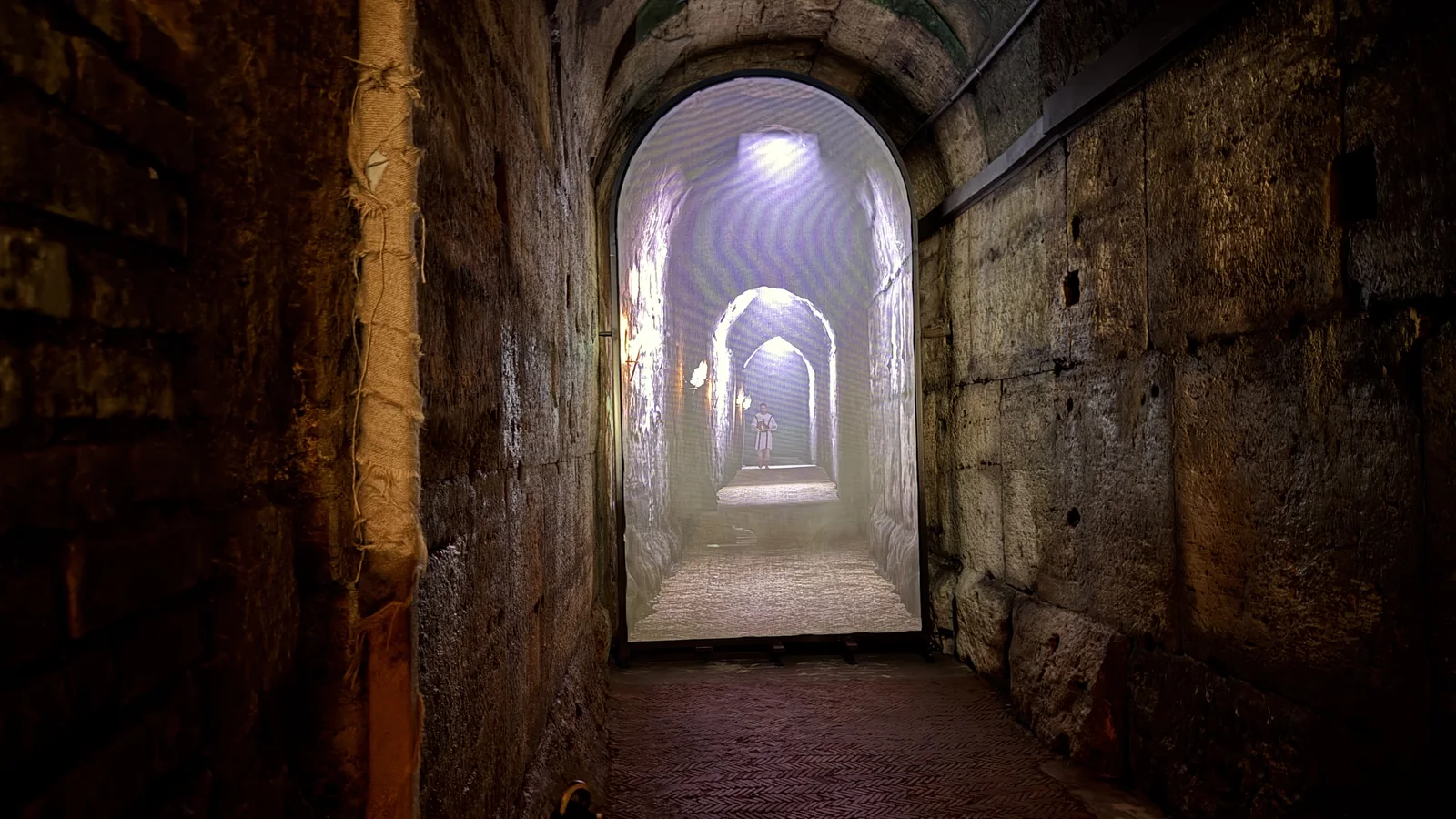
The most iconic monument in Rome holds its most dramatic secret underground. The Colosseum’s hypogeum—the elaborate network of tunnels and chambers beneath the arena floor—remained hidden from public view until recent decades. This labyrinthine underworld was the backstage of ancient Rome’s greatest spectacles, where gladiators prepared mentally for combat, where exotic animals paced in their cages, and where an army of stagehands orchestrated the elaborate special effects that amazed 50,000 spectators above.
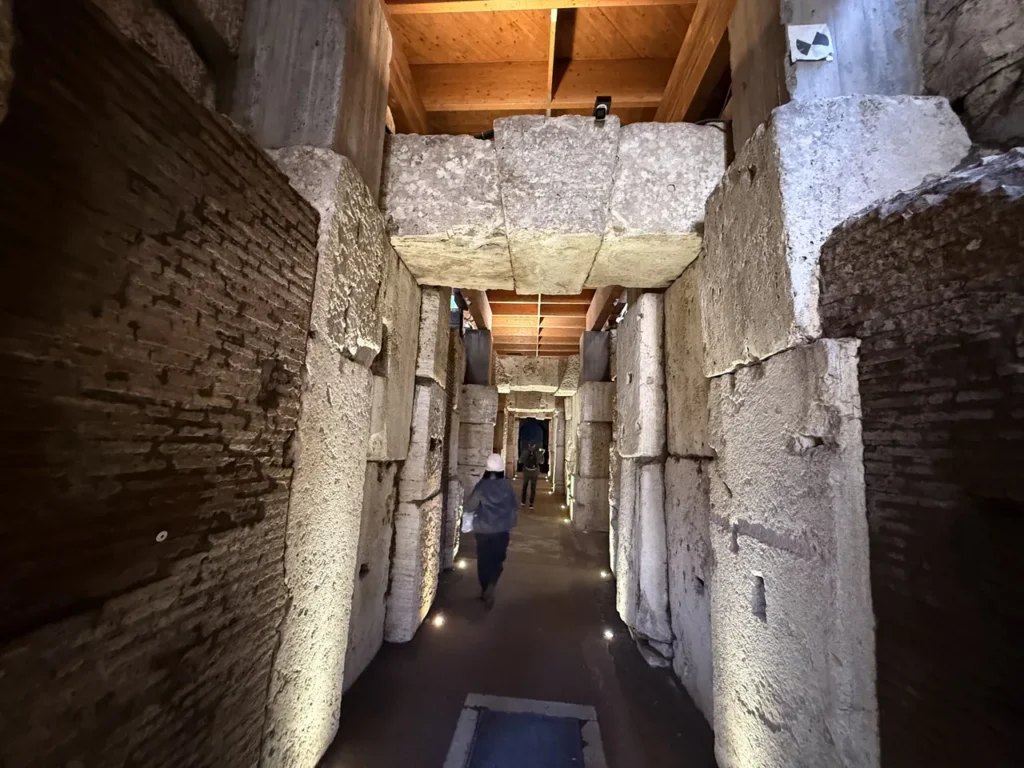
Walking through these passages today, you can still see the mechanisms that made beasts and fighters appear as if by magic through trapdoors in the arena floor. The sophisticated pulley systems, the vertical shafts, the cramped holding cells—everything speaks to both the Romans’ engineering genius and the brutal realities of their entertainment.
This underground level wasn’t part of the original design. Emperor Domitian added it decades after the Colosseum’s inauguration, transforming the amphitheater’s capabilities and allowing for increasingly elaborate shows. The confined spaces, the narrow corridors, the smell of damp stone—they make the experience visceral in a way the sunlit arena floor cannot.
Why Access to the Hypogeum Changes Everything
Most visitors experience the Colosseum from the standard tourist levels, which offer impressive but somewhat distant perspectives. Descending to the hypogeum transforms your visit from observation to immersion. You’re no longer looking at history—you’re standing inside it, in the very chambers where men prepared to face death for the crowd’s amusement.
Access to this area requires advance planning and is typically available only with specialized guided experiences. With a knowledgeable guide, you’ll understand the complex logistics of ancient Roman spectacles—how they flooded the arena for naval battles before the hypogeum existed, how they coordinated dozens of simultaneous performances, how the entire structure functioned as a massive theater of power and propaganda.
San Clemente: A Journey Through Three Levels of Civilization
If the Colosseum’s underground reveals the mechanics of Roman spectacle, the Basilica of San Clemente reveals something even more profound: the continuous human presence in this city across radically different eras. This remarkable church near the Colosseum allows you to descend through three distinct historical layers, each separated by centuries.
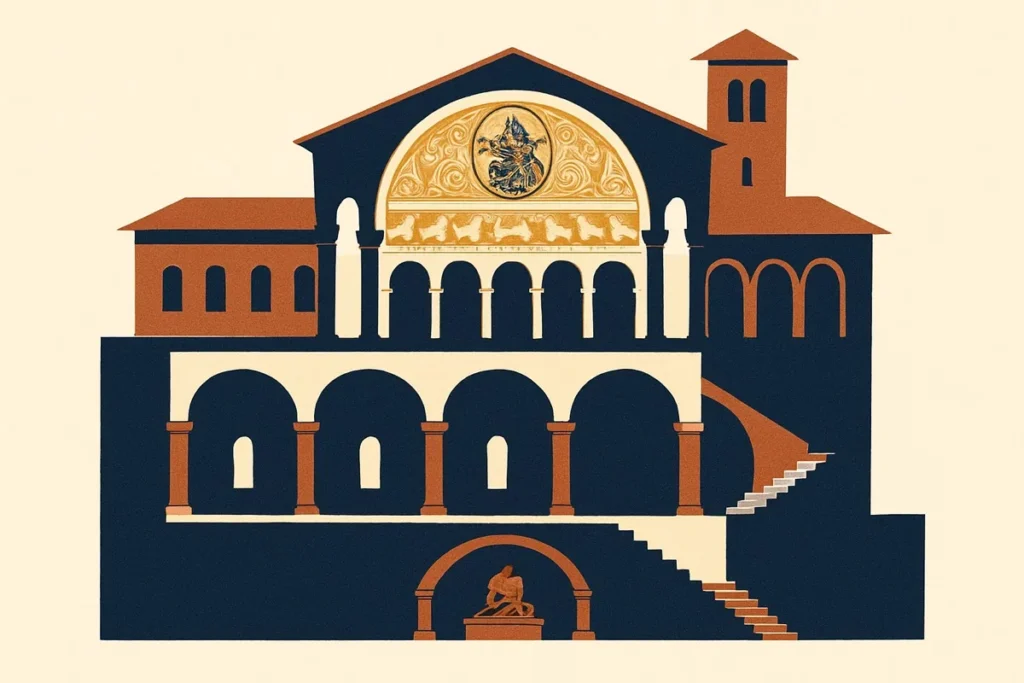
At street level, you enter a beautiful 12th-century basilica with stunning medieval mosaics. Descend one level, and you find yourself in a 4th-century early Christian church, its faded frescoes still visible on ancient walls. Go deeper still, and you reach the 1st-century level—pagan Roman buildings including a Mithraic temple where secret mystery cults once performed their rituals, and an ancient apartment building where you can still hear water rushing through an underground stream, part of Rome’s ancient drainage system.
Each level was literally built upon the foundations of the previous one, preserved by the weight of history above. The experience is almost mystical—you’re traveling backward through time with each flight of stairs, each descent revealing an older version of Rome.
The Catacombs: Cities of the Dead Beneath the City of the Seven Hills
Rome is surrounded by vast networks of catacombs—underground burial chambers that stretch for kilometers beneath the city’s outskirts. The Catacombs of San Callisto, San Sebastiano, and Domitilla are the most accessible, but dozens of others exist, many still partially unexplored.
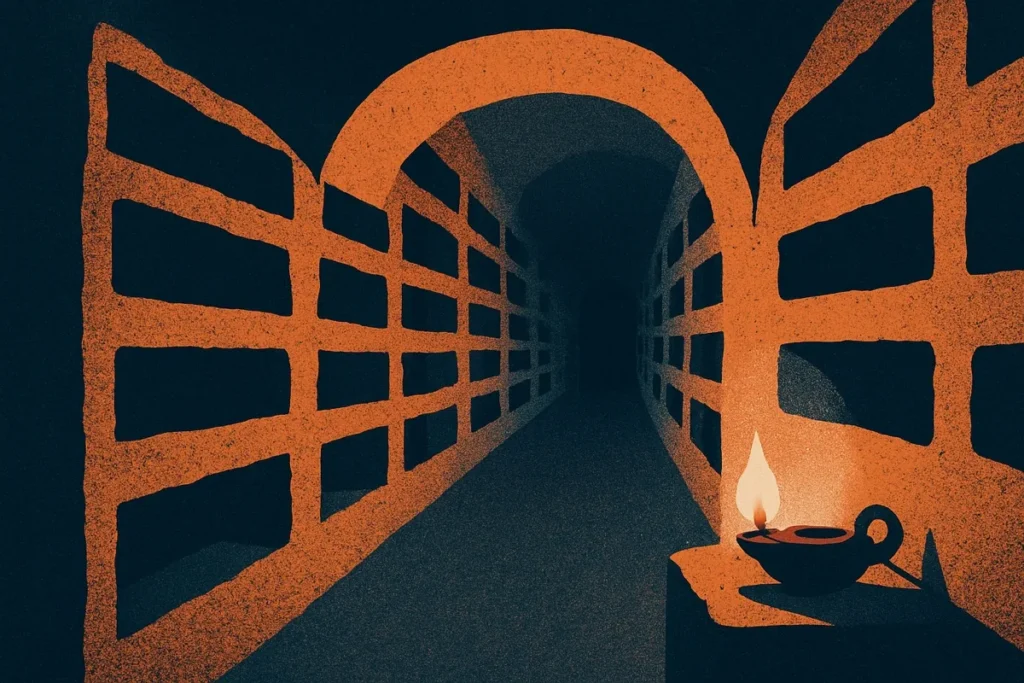
These weren’t hiding places for persecuted Christians, as popular myth suggests, but legitimate cemeteries used by various communities. What makes them extraordinary is their scale and preservation. Walking through these tunnels lined with burial niches, you encounter early Christian art, ancient symbols, and inscriptions that humanize the ancient world in unexpected ways.
The darkness, the silence, the awareness that you’re surrounded by thousands of ancient burials—it creates a contemplative atmosphere unlike anything in Rome’s busy streets above. These spaces remind you that Rome wasn’t just emperors and monuments; it was millions of ordinary people living, dying, and hoping for remembrance.
Stadium of Domitian: A Piazza’s Hidden Foundation
Piazza Navona’s distinctive oval shape has always seemed oddly specific for a Renaissance square. That’s because it’s not actually a square at all—it’s built directly atop the Stadium of Domitian, a massive 1st-century athletic arena that once held 30,000 spectators for Greek-style games.
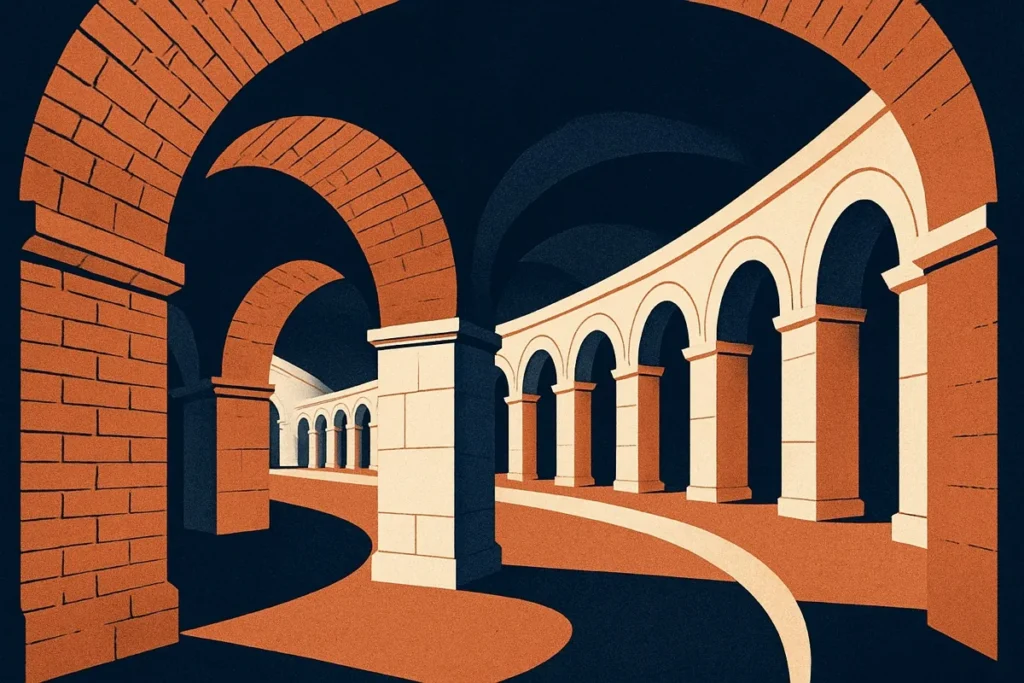
Beneath the piazza’s cafes and fountains, accessible through a discreet entrance, you can now explore sections of the ancient stadium. The preserved corridors, seating areas, and structural elements reveal the original purpose of this space. Standing underground while tourists walk on the piazza above, you experience Rome’s layered reality in the most direct way possible.
Why Underground Rome Deserves Priority in Your Itinerary
Surface Rome is magnificent, but it can feel almost too perfect, too restored, too removed from the lived experience of ancient people. Underground Rome brings you closer to authentic experience—the spaces are often as they were, protected from weather and reconstruction, preserving original textures and proportions.
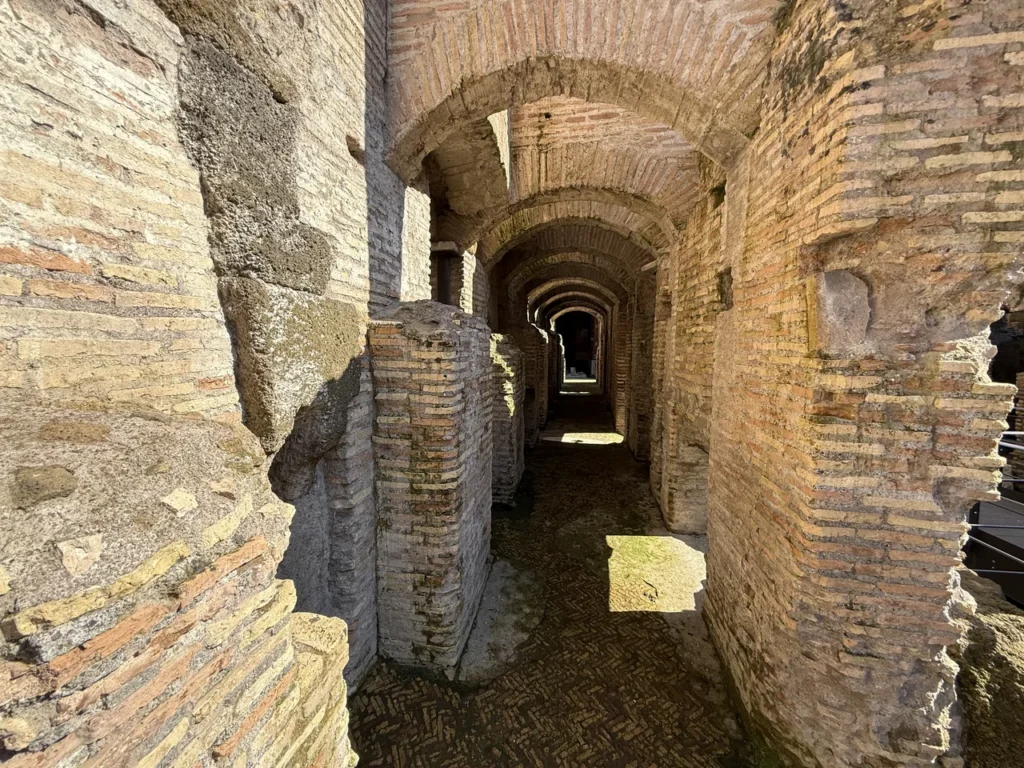
These subterranean sites also offer practical advantages: they’re cooler in summer, less crowded than major monuments, and provide unique photographic opportunities with dramatic lighting and unusual perspectives.
More importantly, they add crucial context to what you see above ground. After experiencing the Colosseum’s hypogeum, you’ll never view the arena the same way. After descending through San Clemente’s layers, you’ll understand Rome’s continuous transformation differently. These underground experiences don’t replace the famous monuments—they deepen your appreciation for them.
Planning Your Descent: Practical Considerations
Most underground sites in Rome require guided visits. The Colosseum’s hypogeum, in particular, has limited daily access and requires specialized tickets that should be secured well in advance. This isn’t a limitation—it’s an advantage. These restrictions mean smaller groups, more intimate experiences, and expert guides who can explain what you’re seeing.
Wear comfortable shoes suitable for uneven surfaces and stairs. Temperatures underground remain constant year-round—refreshingly cool in summer, but potentially chilly in winter, so bring a light jacket. Photography is usually permitted but often challenging due to low light conditions.
The Value of Expert Guidance
While some underground sites can be visited independently, the Colosseum’s restricted areas and the more complex archaeological sites reveal their full significance only with knowledgeable interpretation. A guide transforms cryptic ruins into coherent narratives, explains technical details about Roman engineering, and connects individual sites to the broader historical context.
When you reserve your tickets in advance for experiences that include underground access, you’re not just securing entry—you’re ensuring the context that makes these sites meaningful. The difference between wandering through dark tunnels and understanding their purpose is precisely what expert guidance provides.
Ready to explore the Rome that exists beneath Rome? Discover how our specialized experiences can secure your spot in advance for exclusive access to the Colosseum’s underground levels and other hidden archaeological treasures. Visit Trip In Art to plan your descent into the Eternal City’s most fascinating secrets.