Trip in Art
December 12, 2025
Exploring Campo de’ Fiori Rome means stepping into one of the city’s most atmospheric squares, where history and daily life blend in a way that feels distinctly local.
The area has changed many times over the centuries, yet its energy has remained constant: open, lively and deeply connected to the surrounding streets.
Moreover, the square offers a balance between cultural layers and everyday rituals that makes it more than a simple market stop.
In the morning, Campo de’ Fiori reveals its most authentic side through colors, voices and the rhythm of small stalls. By contrast, its evenings show a different character, shaped by cafés, conversations and the soft glow of the surrounding architecture.
As a result, the square becomes a place that invites slow observation rather than quick sightseeing.
This guide highlights the stories, spaces and details that define Campo de’ Fiori, helping you understand why it remains one of Rome’s most meaningful corners.
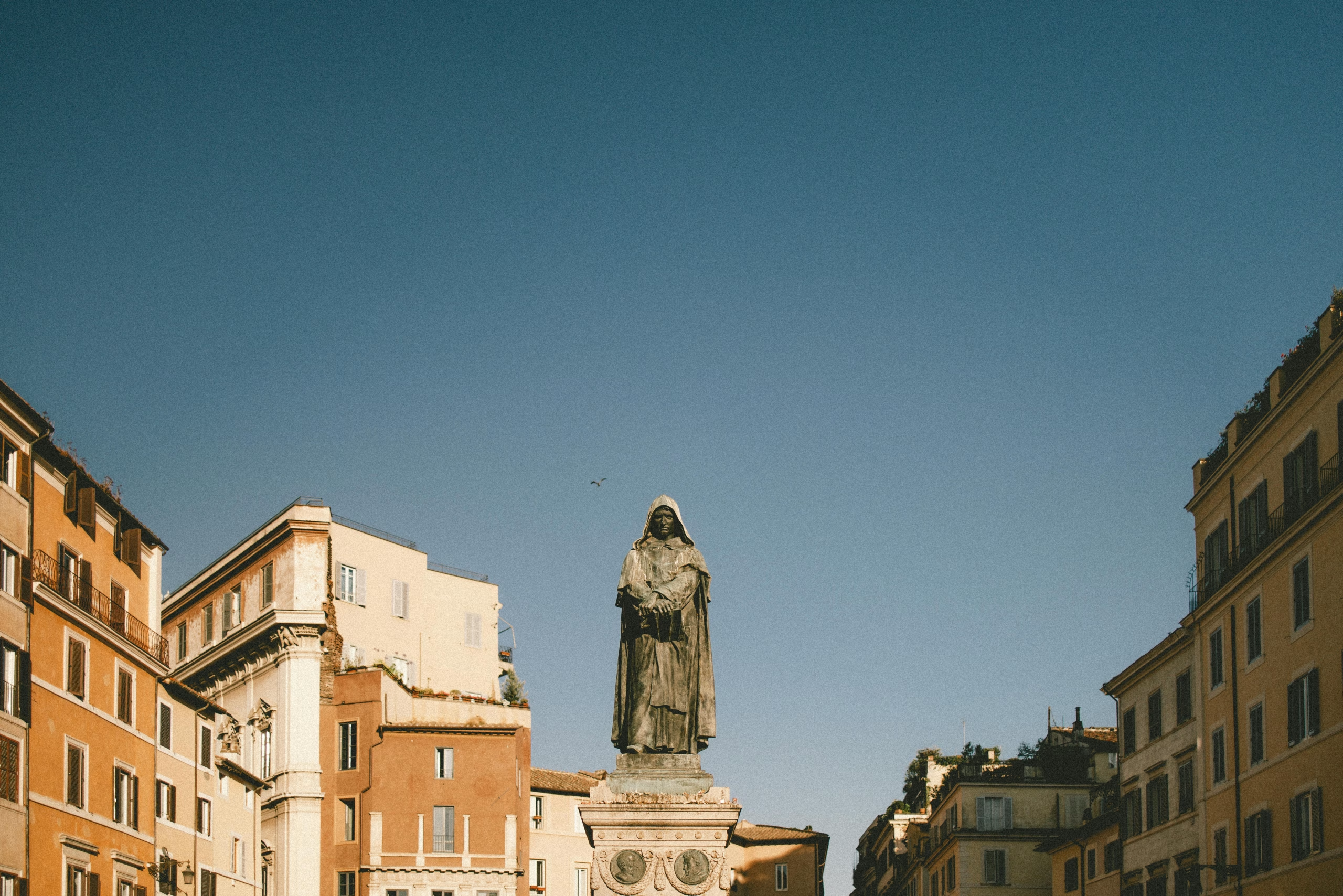
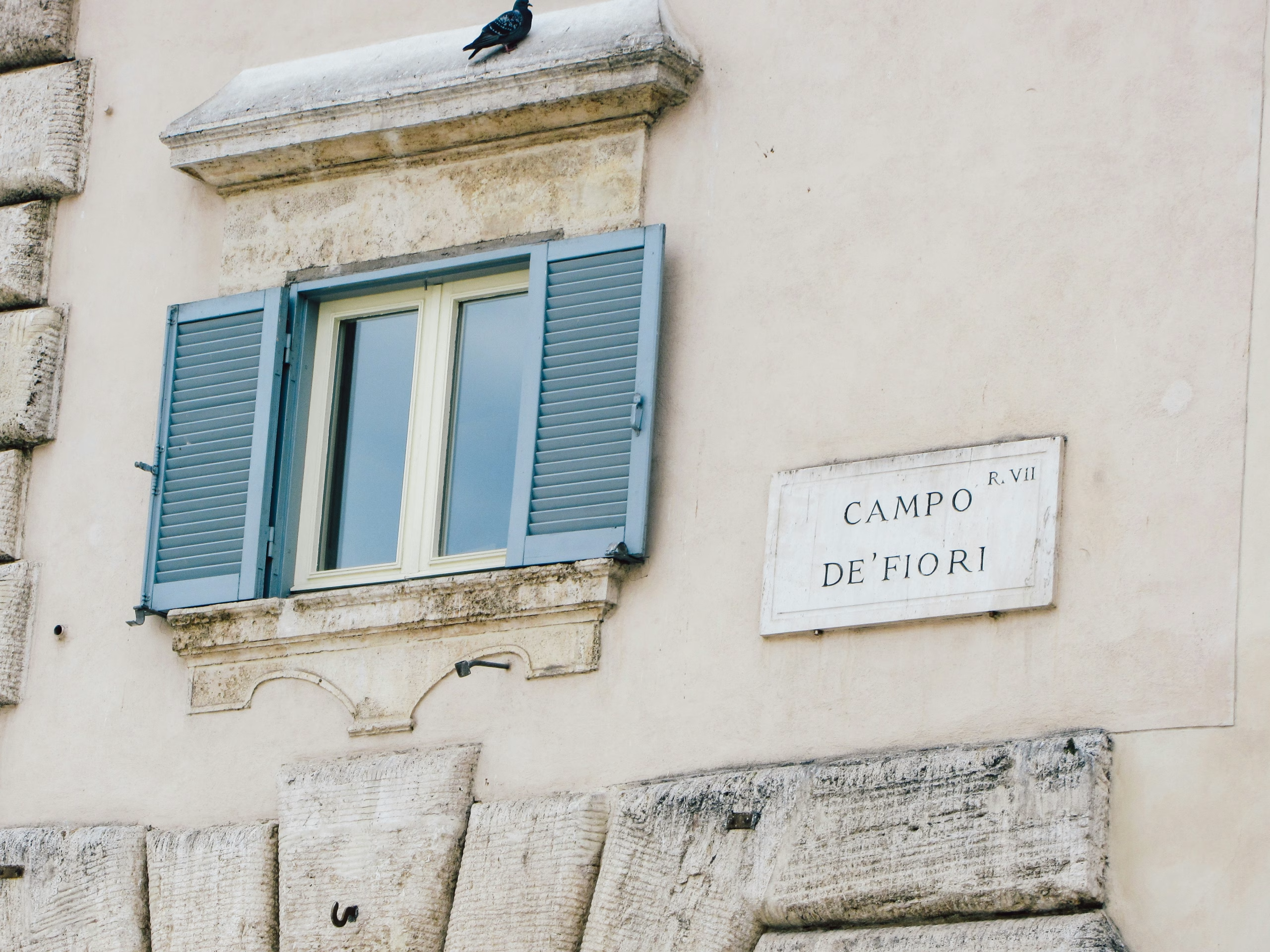
Campo de’ Fiori did not begin as a market square.
In fact, its name recalls a time when the area was an open field just outside the densest part of medieval Rome.
Over the centuries, urban transformations slowly shaped it into a lively crossroads between major streets such as Via dei Giubbonari, Via del Pellegrino and the road leading toward Ponte Sisto.
Moreover, its proximity to influential families and powerful institutions turned the square into a natural stage for public life.
During the Renaissance, Campo de’ Fiori became a commercial and social hub connected to the elegant axis of Via Giulia and the refined spaces of Piazza Farnese. Artisans, merchants and travelers passed through daily, giving the square a dynamic character that still survives today.
As a result, the area developed a strong sense of identity, rooted in its blend of trade, movement and community.
The square is also marked by an episode that deeply shaped its symbolic meaning: the execution of Giordano Bruno in 1600. His statue, placed in the center in the late 19th century, transformed Campo de’ Fiori into a site where memory, freedom of thought and daily life intersect.
Consequently, the square’s history is not only urban but also intellectual.
Understanding these layers helps reveal why Campo de’ Fiori feels so vibrant: it is a place built by centuries of human presence, shaped not by monuments but by lived experience.
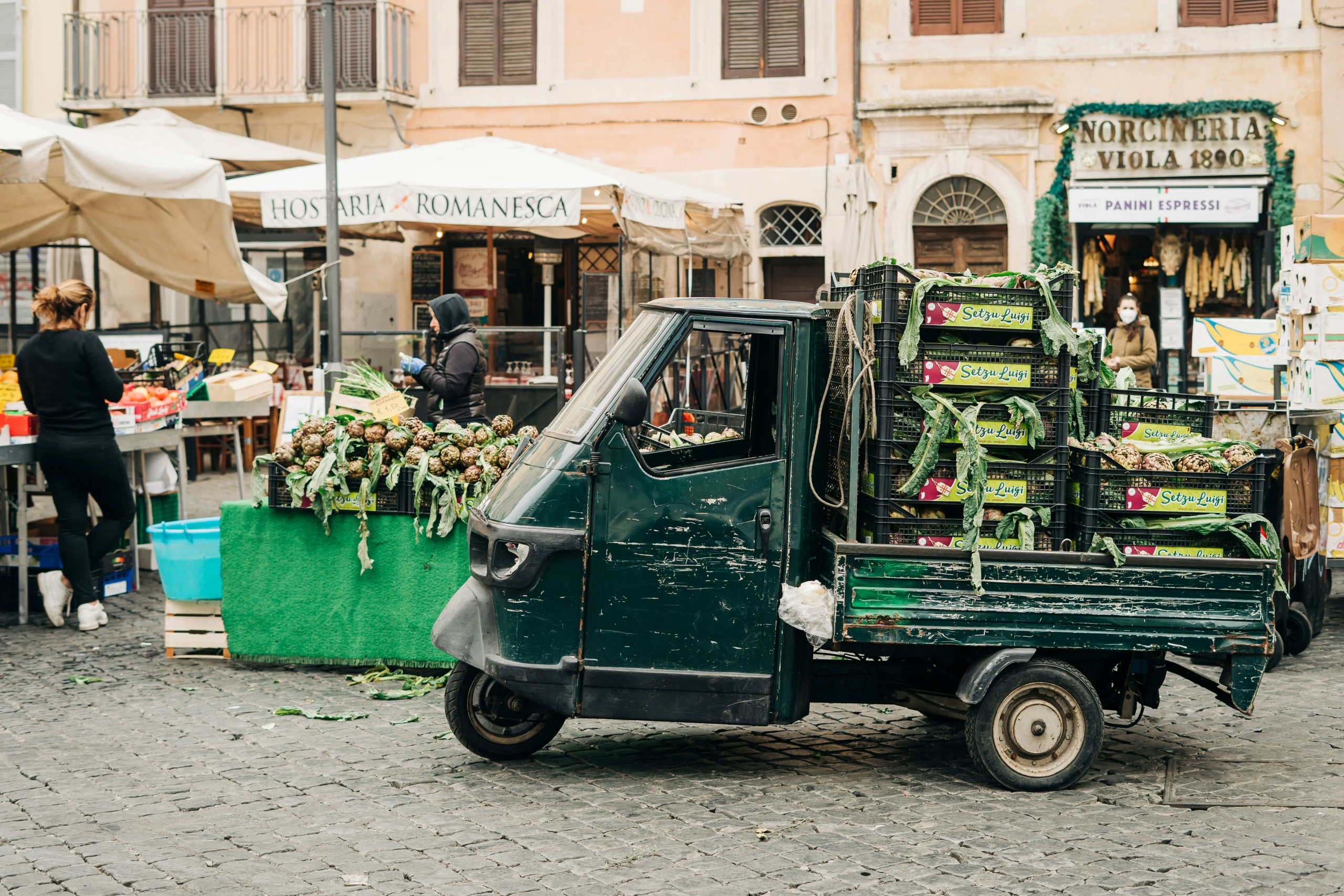
The market of Campo de’ Fiori is one of the square’s defining elements, yet its essence becomes clear only when you observe it slowly.
In the early hours, vendors prepare their stalls, creating a mosaic of colors made of fruit, vegetables, flowers and everyday essentials.
Moreover, the sounds of conversations, deliveries and greetings form a rhythm that sets the tone for the entire square.
Although the market has changed over time, it still reflects the neighborhood’s character.
Some stalls maintain long-standing traditions, while others cater to a broader mix of visitors. As a result, the atmosphere feels layered: part local, part cosmopolitan. Watching how people move through the space reveals its true nature — a place of habits, encounters and simple routines.
The best way to experience the market is to walk around without rushing.
Observe how vendors arrange their produce, notice the interplay of scents and colors, and take in the informal choreography of daily life.
Furthermore, visiting in the morning provides the most authentic view, as the square gradually shifts from quiet preparation to lively activity.
By noon, the market begins to slow down, leaving room for cafés and small restaurants to shape the square’s rhythm. Consequently, Campo de’ Fiori transforms again, showing how a single space can hold multiple identities throughout the day.
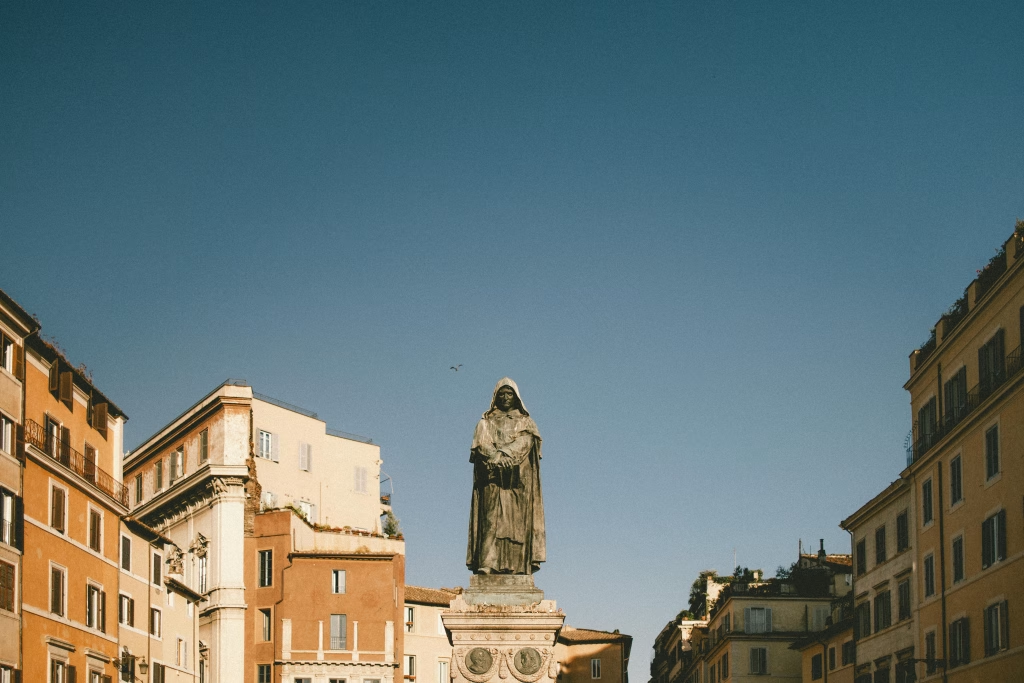
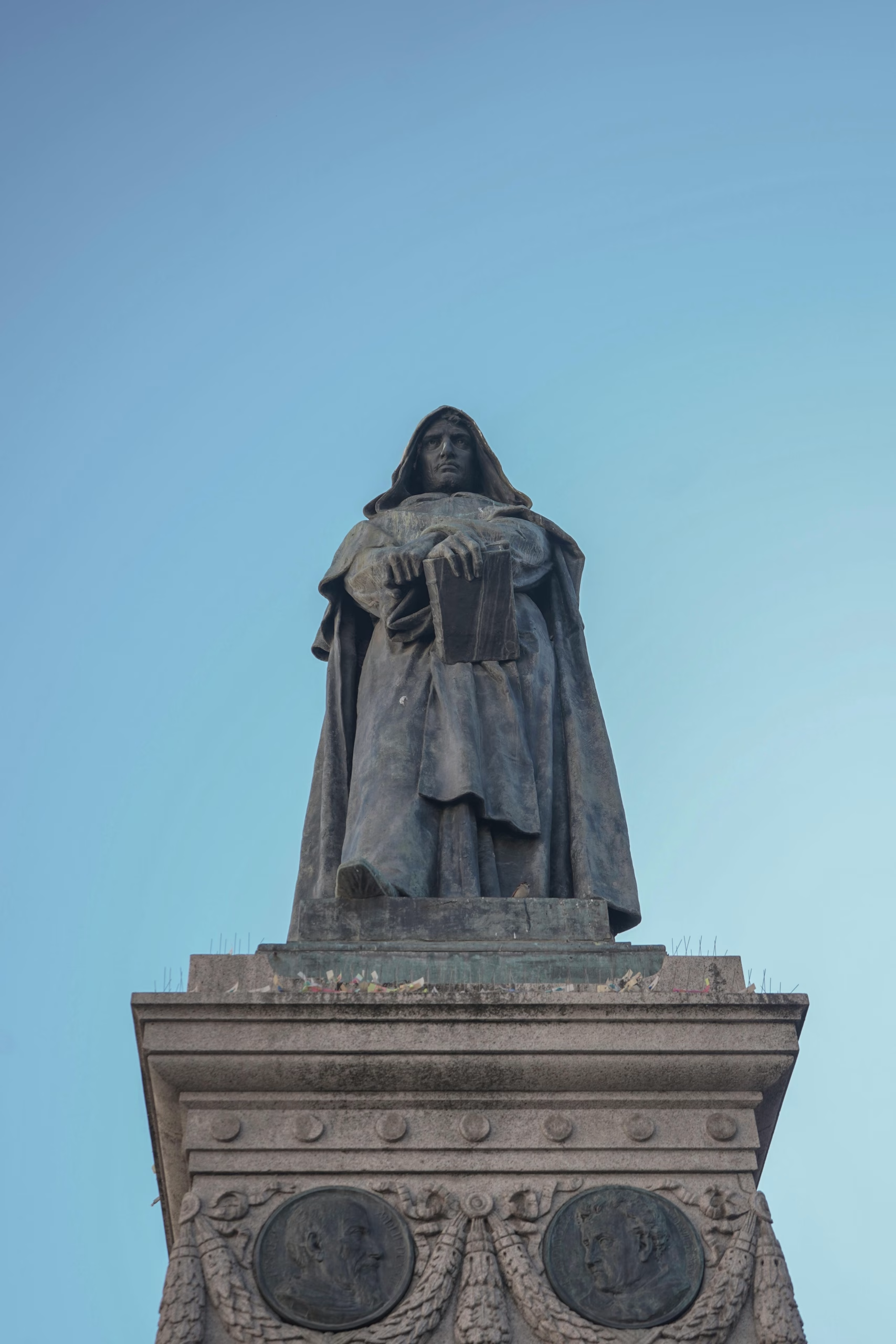
At the center of Campo de’ Fiori stands the statue of Giordano Bruno, a presence that defines the atmosphere of the square as much as the market itself.
Bruno, a philosopher condemned for his ideas, was executed here in 1600.
His monument, inaugurated in 1889, transformed the square into a place where memory and daily life intertwine. Moreover, the statue’s orientation, facing the Vatican, adds a layer of tension and meaning that still resonates today.
Bruno’s figure is cloaked, eyes lowered, holding a book close to his chest.
The posture conveys both defiance and contemplation, creating a visual pause within a space otherwise defined by movement and sound. As a result, even visitors unfamiliar with his story sense a shift in tone when they approach the monument.
The statue represents more than the philosopher himself. It symbolizes freedom of thought, intellectual courage and the ongoing dialogue between authority and independent ideas.
Furthermore, its presence in a lively market square highlights the contrast between historical gravity and the rhythms of everyday life.
Spending a moment near the monument offers a deeper understanding of Campo de’ Fiori as a whole. It reveals how the square carries its history not through grand architecture but through a single figure that anchors the space with meaning.
Consequently, the statue becomes an essential stop for anyone seeking to understand the cultural and emotional identity of the area.
Beyond the energy of the main square, Campo de’ Fiori is surrounded by a network of narrow streets that preserve a quieter, more intimate atmosphere.
These corners reveal the neighborhood’s true character, shaped by small workshops, historic façades and subtle architectural details.
Moreover, exploring them slowly offers a refreshing contrast to the market’s lively rhythm.
Via dei Cappellari is one of the most distinctive streets. Its gentle curves and textured walls create a sequence of small visual surprises, recalling the artisans who once worked here.
As a result, the street feels connected to the square yet maintains a softer, more hidden tone.
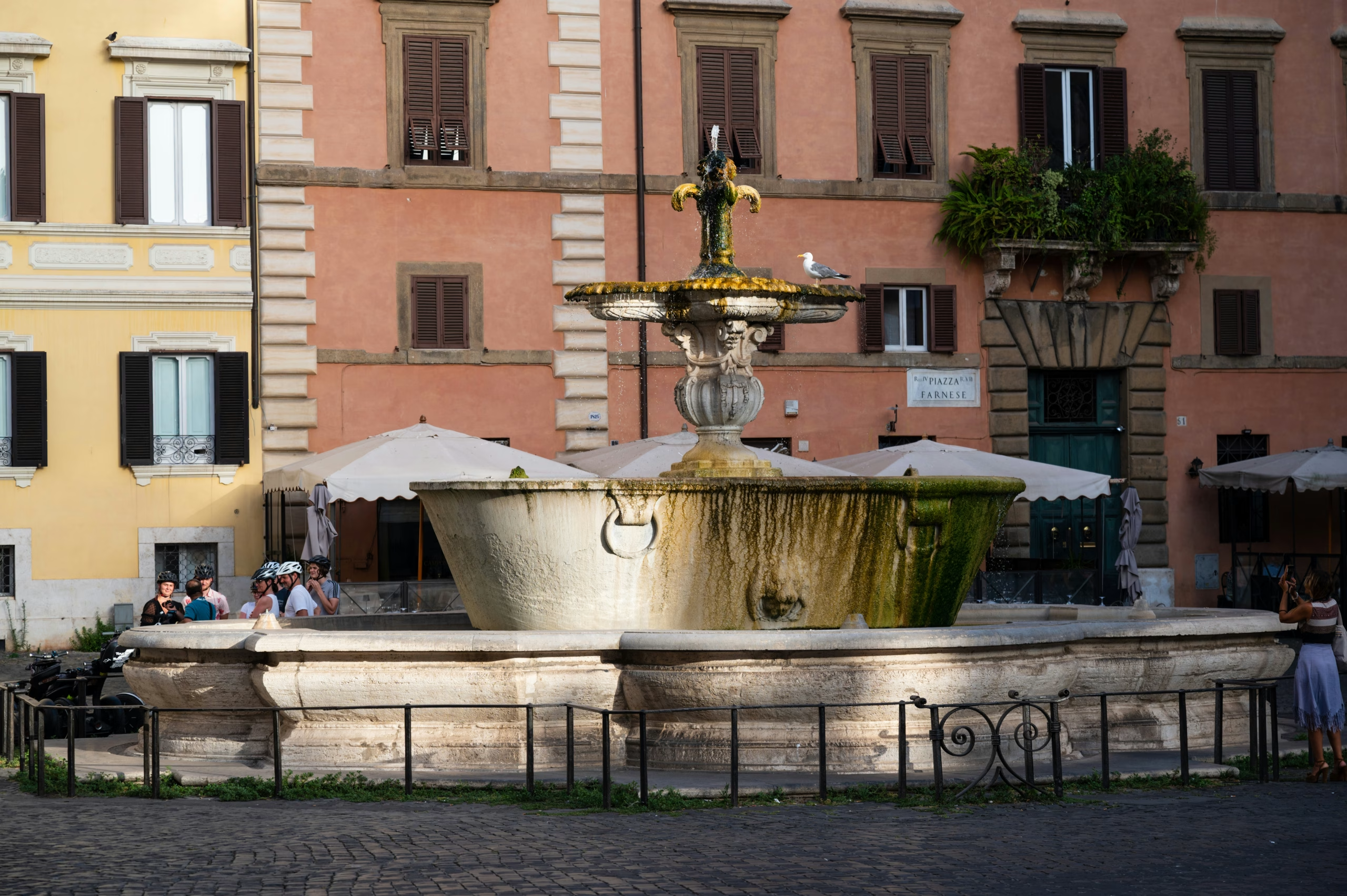
A few steps away, Via del Pellegrino leads toward one of the area’s most elegant spaces: Piazza Farnese.
Framed by the monumental Palazzo Farnese and two Renaissance fountains, the square reveals a completely different atmosphere from Campo de’ Fiori — calm, balanced and deeply architectural. Furthermore, its open proportions and refined geometry make it an ideal place to pause, observe and understand the district’s layered identity.
Including Piazza Farnese in your walk adds a sense of composure and beauty that complements the surrounding alleys.
Other narrow lanes—such as Vicolo del Gallo or Via dei Giubbonari—offer additional perspectives, each with its own rhythm.
Consequently, venturing beyond the market square expands your understanding of the neighborhood, showing how these quieter spaces hold as much personality as Campo de’ Fiori itself.
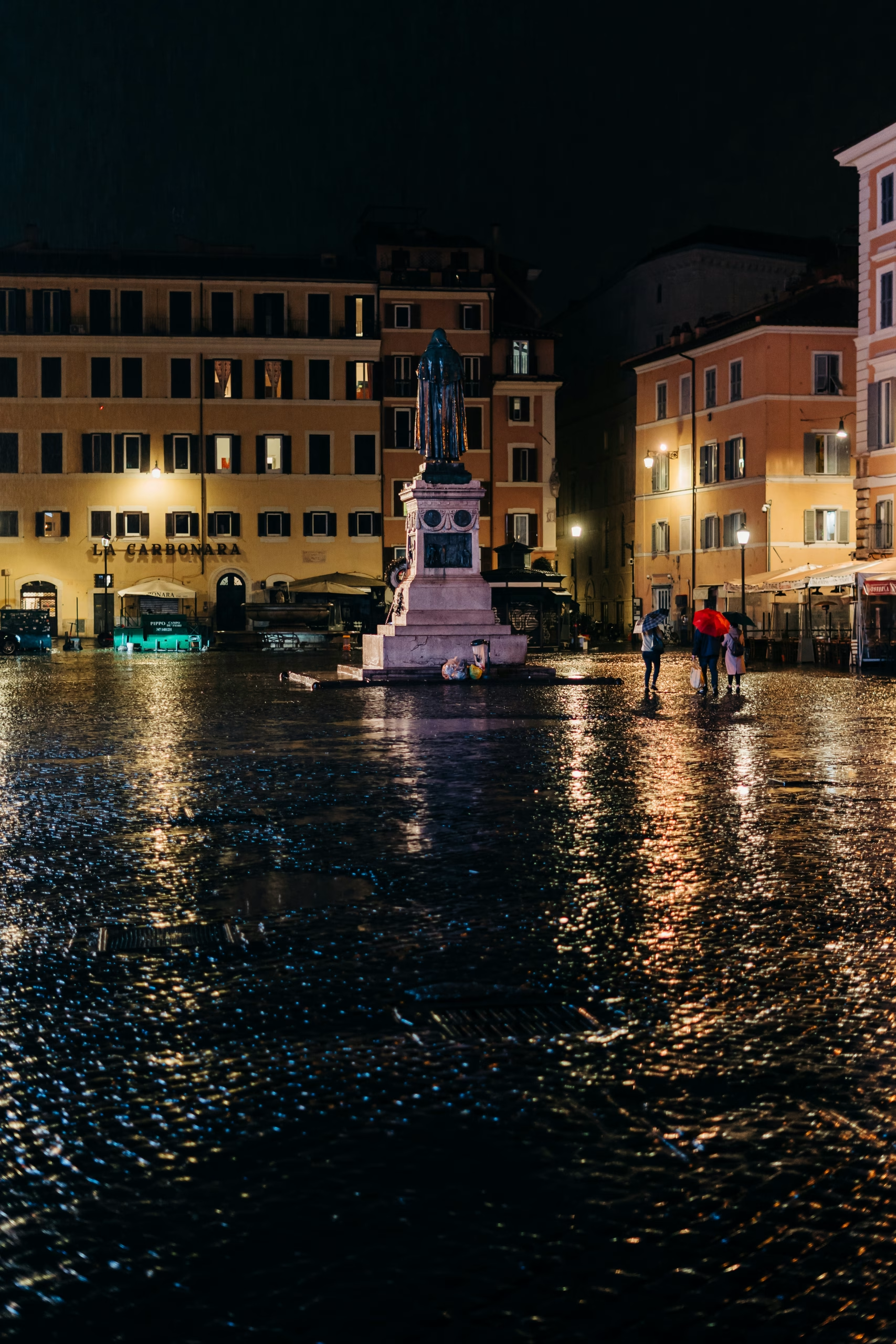
Campo de’ Fiori transforms noticeably after sunset.
While mornings revolve around the market and daily routines, evenings introduce a different rhythm shaped by cafés, wine bars and the soft glow of surrounding buildings.
Moreover, the square becomes a meeting point for both locals and visitors, each contributing to a lively yet informal atmosphere.
The presence of the Giordano Bruno statue adds a distinctive tone even at night.
Its silhouette anchors the space, creating a focal point that stands in contrast to the movement around it.
As a result, the square feels layered: animated but still marked by the quiet weight of its history.
Exploring the area after dark also reveals the contrast between Campo de’ Fiori and the nearby streets.
While the piazza can become busy, just a few steps away you find calm corners where the architecture and warm lighting offer a more intimate experience. Furthermore, the short walk toward Piazza Farnese provides a serene escape that balances the square’s energy.
If you choose to spend your evening here, approach it with the same slow pace suggested for daytime visits. Notice how sound, light and movement reshape the space.
Consequently, Campo de’ Fiori at night becomes more than a social hub — it becomes a study in how a historic square adapts to the city’s contemporary life.
Visiting Campo de’ Fiori becomes more enjoyable when you understand how the square changes throughout the day. Mornings are ideal if you want to experience the market at its most authentic.
Moreover, arriving early allows you to observe the setup and the natural rhythm of interactions between vendors and locals.
If you prefer a quieter atmosphere, late morning and early afternoon are the best moments.
The market begins to slow down, and the surrounding streets reveal a softer tone.
As a result, it becomes easier to explore nearby corners such as Via dei Cappellari or Piazza Farnese without interruptions.
Evenings bring a different energy.
The square can become lively, especially around popular bars and cafés. If you enjoy this atmosphere, stay close to the center of the piazza; otherwise, step into the side streets for a calmer experience.
Furthermore, walking toward Piazza Farnese offers an elegant transition from movement to stillness within just a few minutes.
Safety is generally good, but standard city awareness is recommended, particularly at night or during crowded periods.
Comfortable shoes are useful, as the cobblestones can be uneven.
Finally, note that market stalls and businesses may adjust hours depending on the season, so checking specific details on official pages ensures smooth planning.
These simple tips help you explore Campo de’ Fiori with the right pace and mindset, allowing the square’s layers to reveal themselves naturally.
Is Campo de’ Fiori the same as the market?
Not exactly. The market is one of the square’s daily rituals, but Campo de’ Fiori also includes historical layers, surrounding streets and the symbolic presence of Giordano Bruno.
What is the best time to visit Campo de’ Fiori?
Morning offers the most authentic atmosphere thanks to the market. Late morning and early afternoon are quieter. Evenings bring a livelier, social tone.
Is Campo de’ Fiori safe at night?
Yes, but standard urban awareness is recommended. Staying in the central area or moving toward Piazza Farnese offers a comfortable balance.
Why is Giordano Bruno’s statue important?
It marks the site of his execution and symbolizes freedom of thought. Moreover, it gives the square a unique identity that blends history and daily life.
Are there interesting streets around Campo de’ Fiori?
Absolutely. Streets like Via dei Cappellari, Via del Pellegrino and the elegant Piazza Farnese reveal quieter corners and deeper character.
How long should I plan for a visit?
A slow 45–60 minute walk is ideal. Furthermore, exploring nearby streets enriches the experience.