
Trip in Art
December 12, 2025
The most beautiful Baroque squares in Rome are not simply open spaces, but carefully designed urban stages where architecture, sculpture and movement come together.
These squares were conceived to guide the viewer’s eye, shape emotional responses and communicate power, faith and prestige. Moreover, they represent one of the clearest expressions of how Baroque Rome transformed the city into a living work of art.
Unlike medieval piazzas, Baroque squares were planned as unified compositions.
Fountains, churches and palaces were arranged to interact visually, creating rhythm, tension and theatrical impact. As a result, walking through these spaces is not a passive experience.
It becomes a continuous dialogue between observer and architecture.
From the dramatic energy of Piazza Navona to the monumental balance of Piazza del Popolo, Rome’s Baroque squares reveal different interpretations of the same artistic language.
Each one reflects a precise intention, shaped by popes, architects and artists such as Bernini and Borromini. Furthermore, their design still influences how people move, pause and gather today.
Rome’s Baroque heritage extends far beyond the squares explored in this guide.
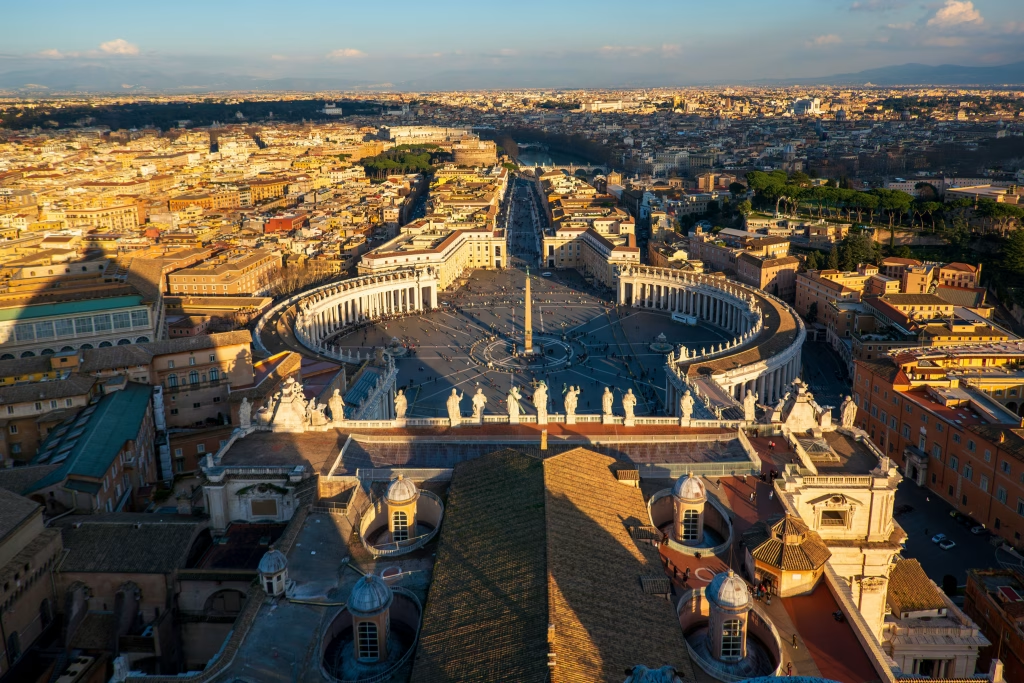
Iconic landmarks such as St Peter’s Square and the Trevi Fountain represent other powerful expressions of Baroque design, each shaped by different functions and meanings.
However, this article focuses on piazzas conceived as urban spaces, where fountains, churches and architecture work together to define the experience of the city.
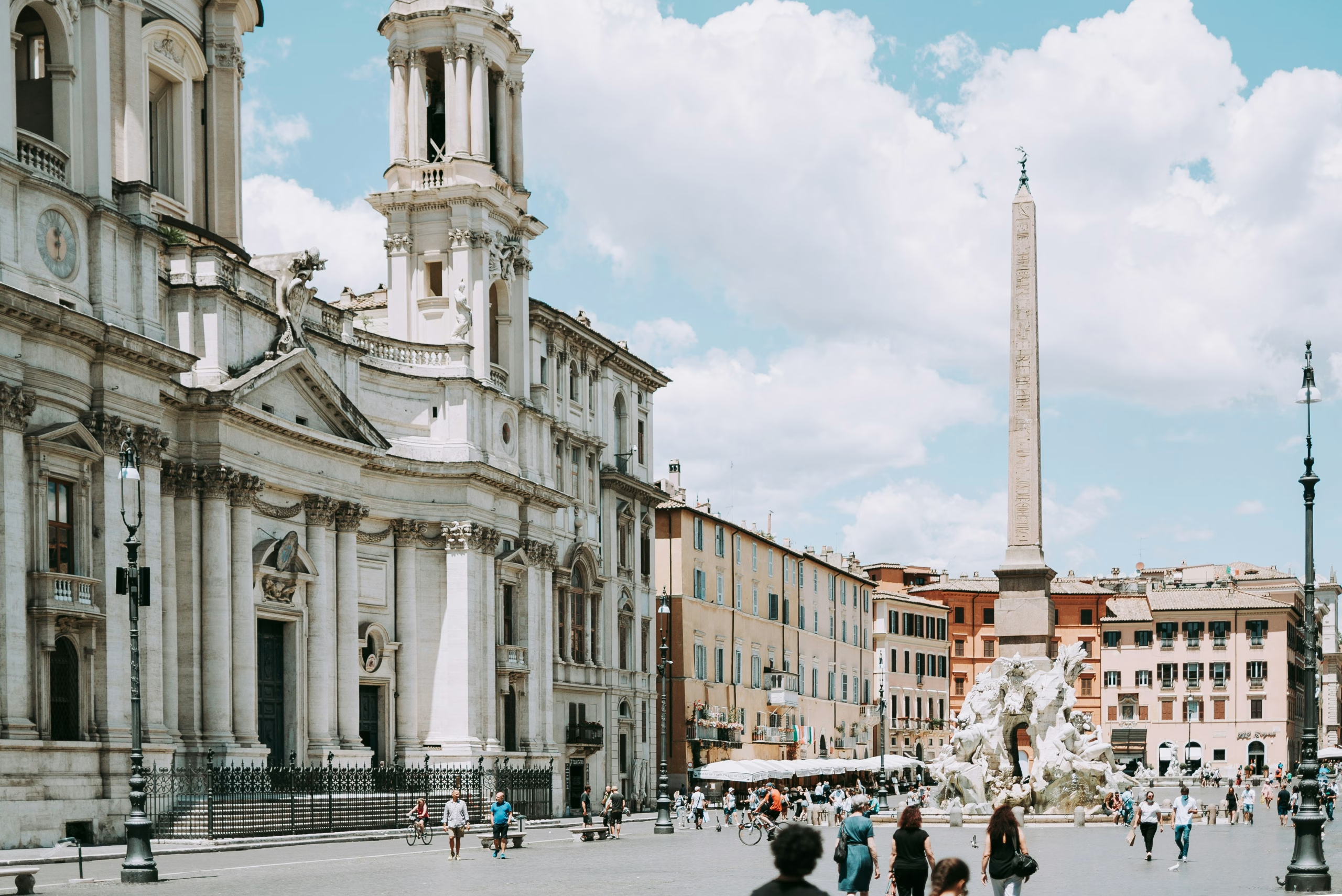
Among the most beautiful Baroque squares in Rome, Piazza Navona stands as the clearest expression of Baroque urban design.
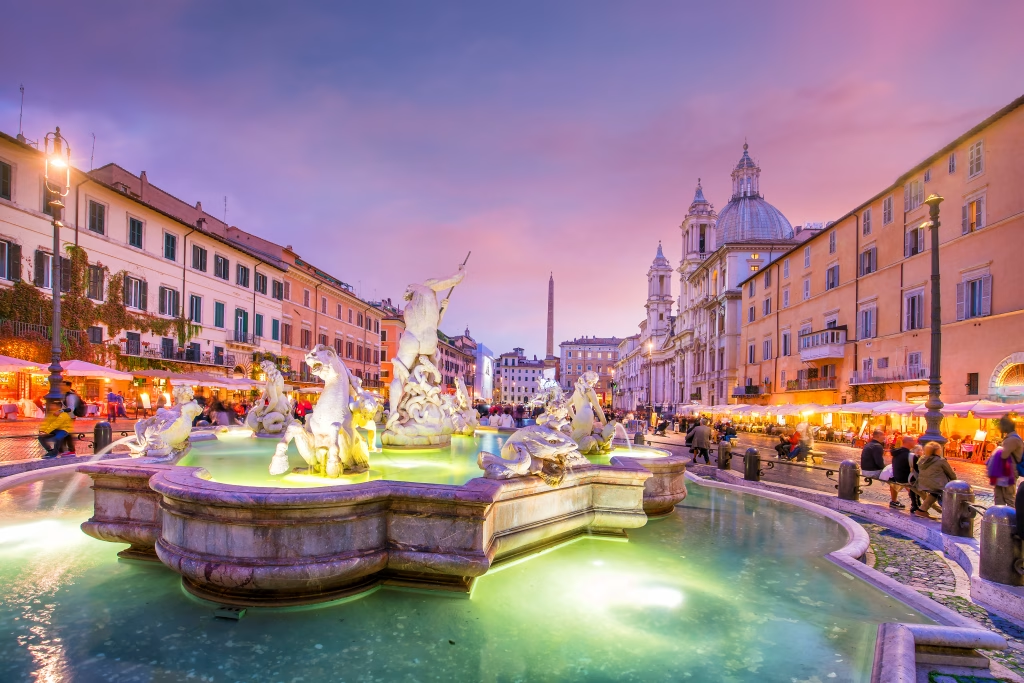
Its long, open form creates a natural stage where sculpture, architecture and space interact continuously.
Moreover, the square’s layout amplifies movement, guiding the visitor through a carefully choreographed visual experience.
Built over the ancient Stadium of Domitian, Piazza Navona preserved its elongated shape while transforming it into a monumental Baroque setting.
This unique foundation allowed architects and artists to work with perspective and rhythm rather than enclosure. As a result, the square feels dynamic and fluid, never static.
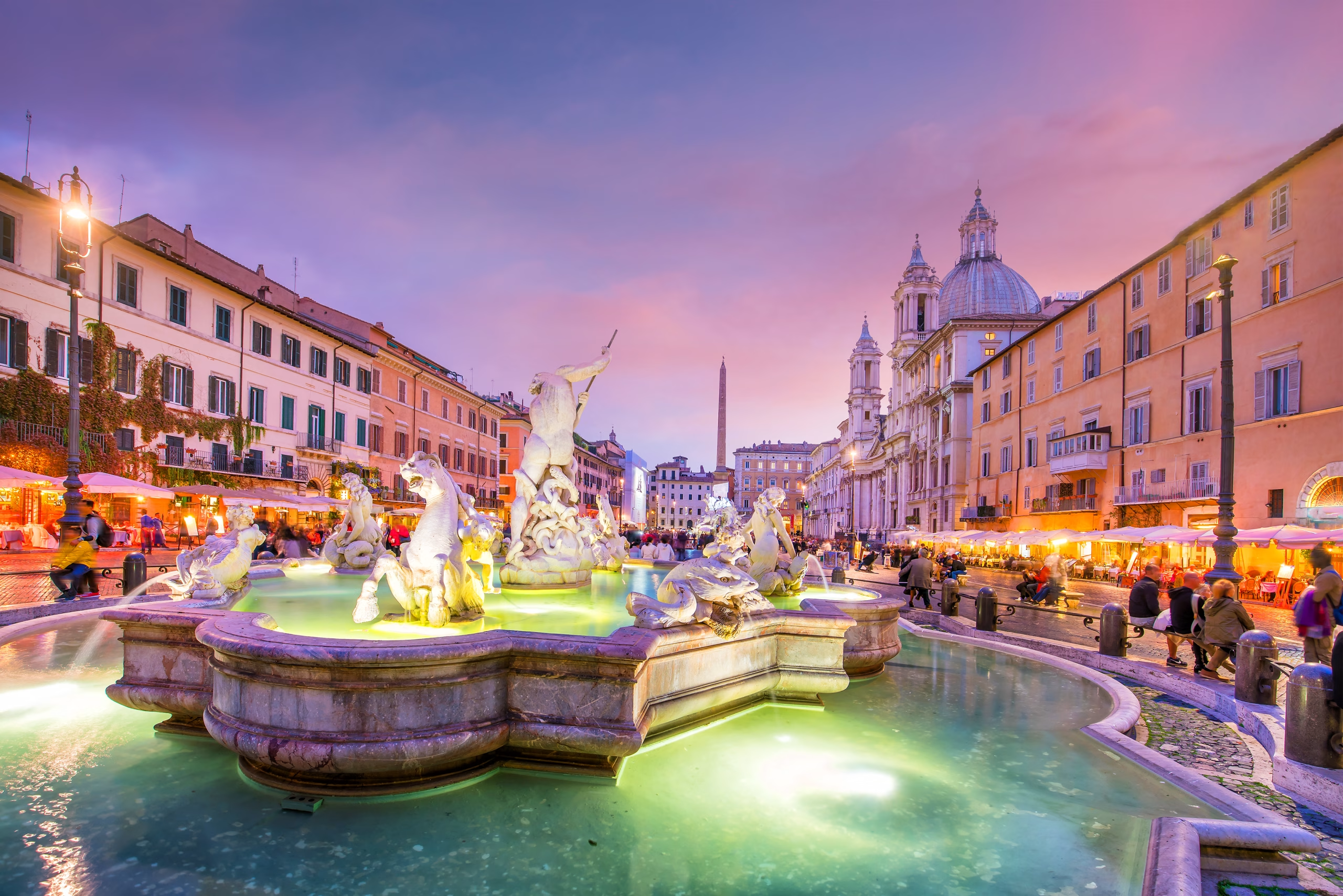
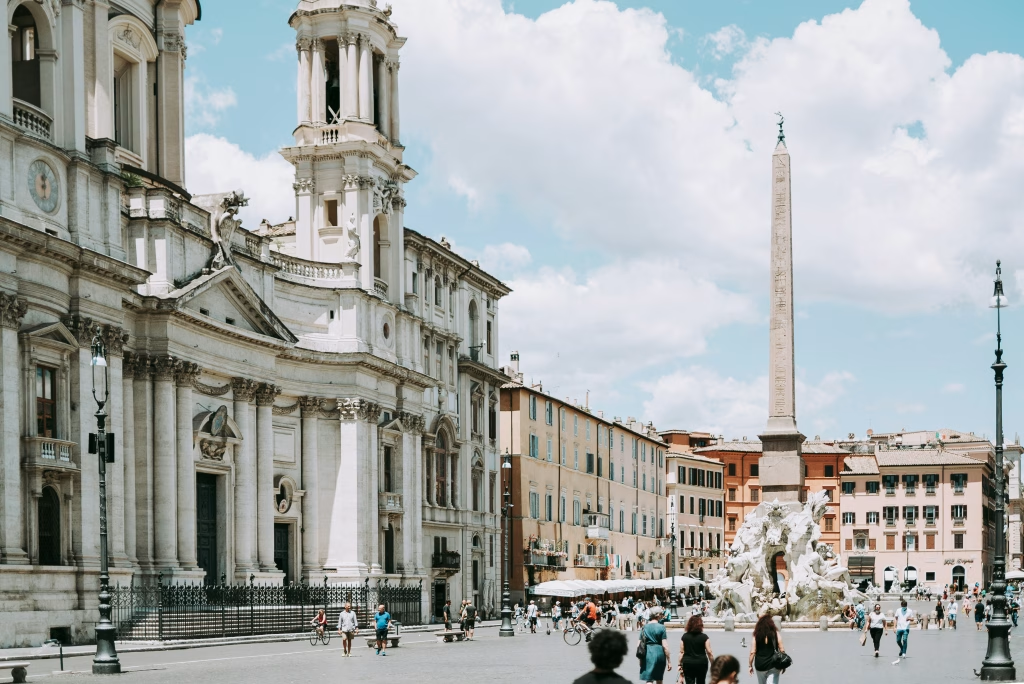
At its center, Bernini’s Fountain of the Four Rivers anchors the space with sculptural intensity.
The surrounding palaces and the church of Sant’Agnese in Agone complete the composition, creating a dialogue between architecture and sculpture that defines Baroque Rome.
Furthermore, the square functions as a visual narrative: every element contributes to a sense of theatrical balance.
What makes Piazza Navona essential is not just the presence of masterpieces, but the way they are integrated into daily life. Street activity, movement and sound become part of the architectural experience. Consequently, Piazza Navona remains both a historic monument and a living public space.
For anyone exploring Baroque squares in Rome, Piazza Navona is the reference point — a place where form, symbolism and urban vision converge into one of the city’s most iconic settings.
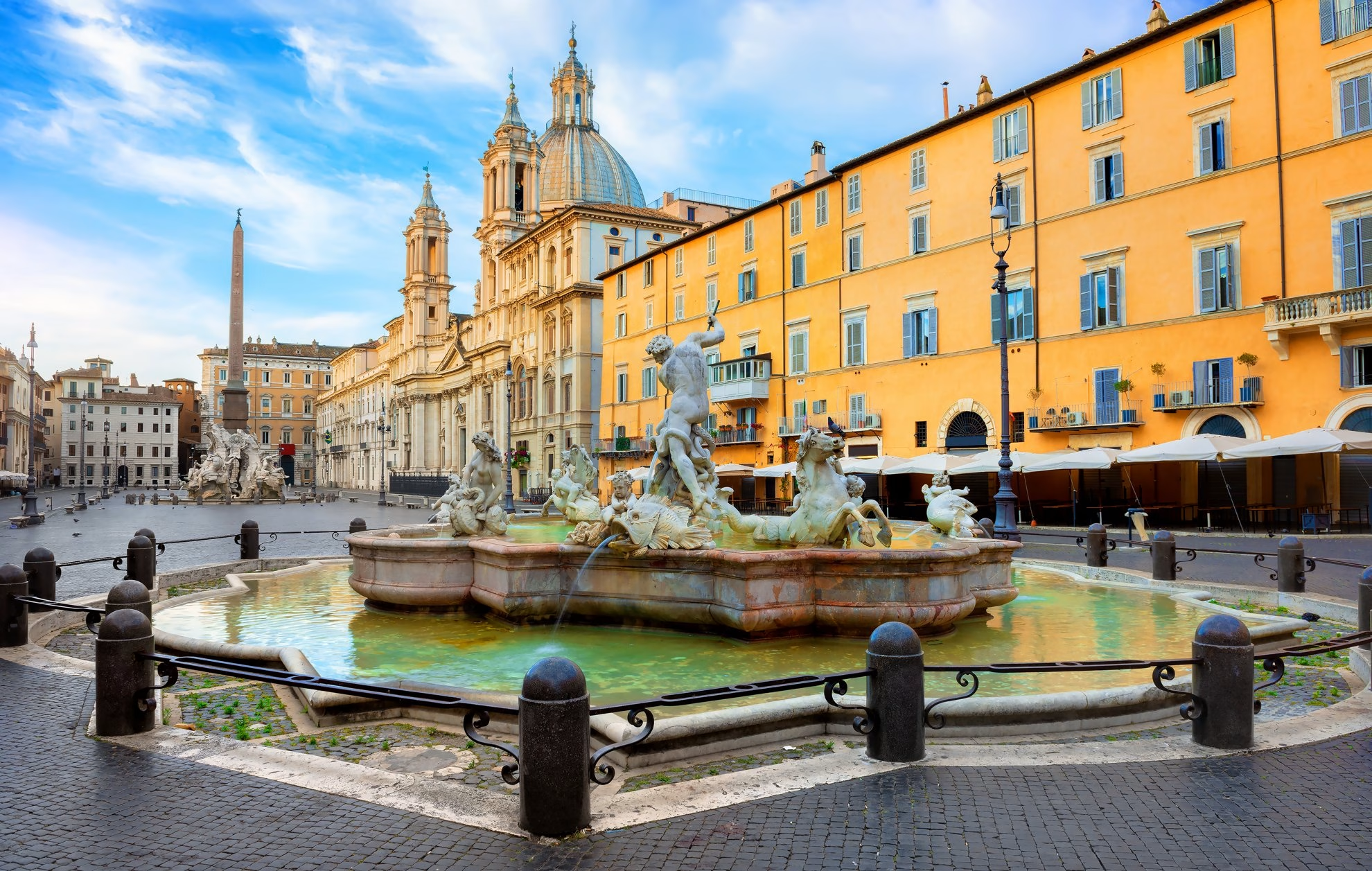
Piazza di Spagna represents a different interpretation of Baroque space, where architecture is designed to guide movement rather than dominate it.
Unlike Piazza Navona’s theatrical openness, this square unfolds vertically, inviting visitors to experience Baroque Rome through ascent and perspective.
Moreover, its layout creates one of the most recognizable urban sequences in the city.
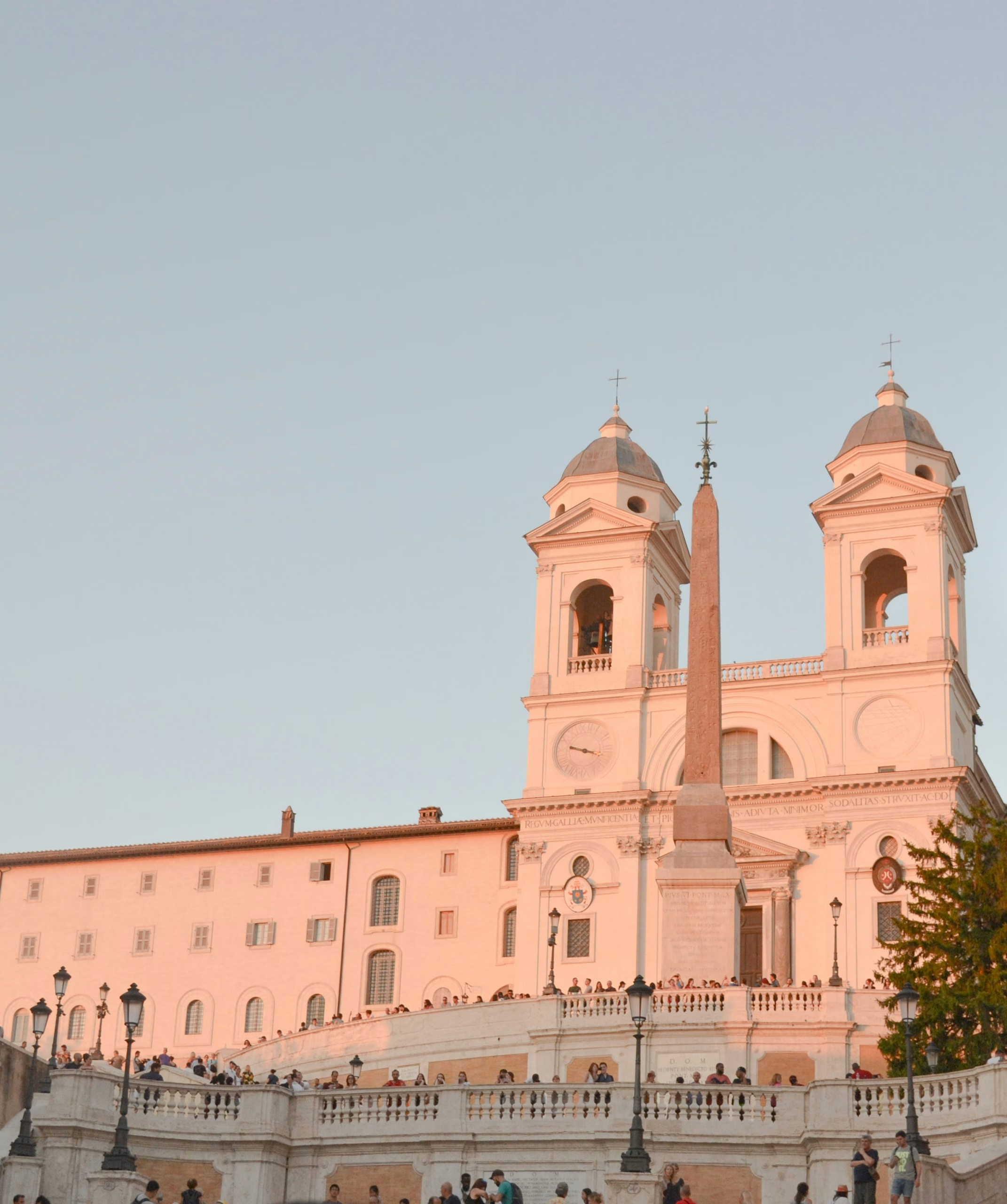
The focal point is the Spanish Steps, a monumental staircase connecting the square to the church of Trinità dei Monti above. Rather than functioning as a simple passage, the steps operate as an architectural device that controls rhythm and visual flow. As a result, movement becomes part of the design, and the square changes character depending on where you stand.
At the base of the steps lies the Fontana della Barcaccia, attributed to Pietro Bernini with the involvement of his son Gian Lorenzo.
Its low, horizontal form contrasts deliberately with the vertical rise of the staircase.
Furthermore, the sound of flowing water softens the space, grounding the composition and balancing the upward momentum.
What makes Piazza di Spagna essential among Rome’s Baroque squares is this dialogue between ascent and pause.
The square encourages lingering, observation and gradual discovery rather than immediate spectacle. Consequently, it offers a more intimate reading of Baroque urban planning, where movement, perspective and human scale work together to shape the experience.
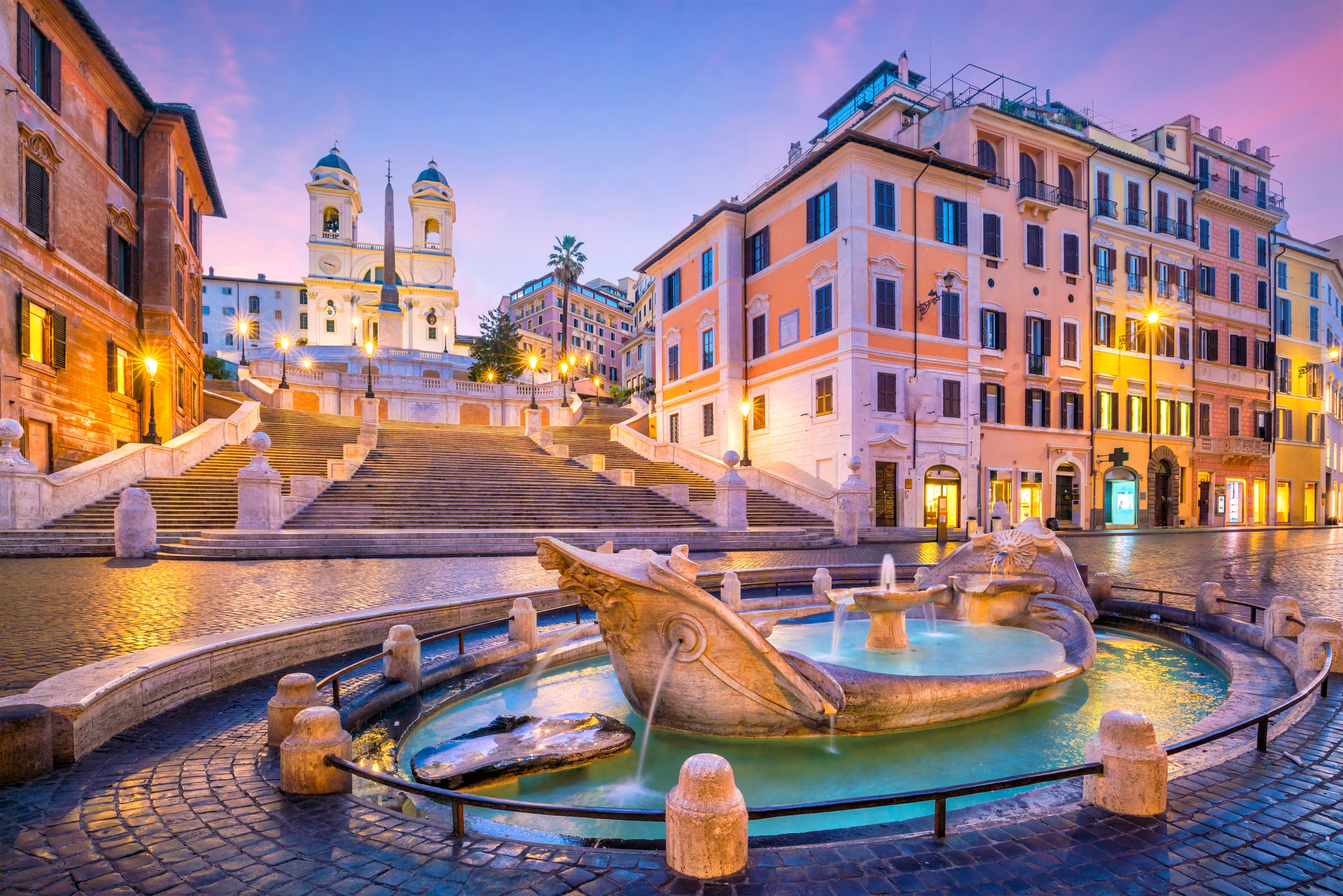
Among the most beautiful Baroque squares in Rome, Piazza del Popolo stands out for its sense of order and monumentality. Unlike the fluid movement of Piazza Navona or the vertical rhythm of Piazza di Spagna, this square is defined by geometry and controlled symmetry. Moreover, it marks a ceremonial gateway to the city, shaping the first impression of Rome for centuries.
The square was redesigned in the Baroque period to organize space on a monumental scale. At its center rises the ancient Egyptian obelisk, acting as a visual anchor around which the piazza is structured. As a result, the surrounding elements — churches, ramps and open perspectives — align into a balanced composition.
The twin churches of Santa Maria dei Miracoli and Santa Maria in Montesanto frame the southern entrance, creating a symmetrical threshold toward Via del Corso. Although similar in appearance, their structures subtly differ to accommodate the surrounding urban fabric. Furthermore, this controlled variation reflects Baroque Rome’s ability to blend order with adaptation.
Piazza del Popolo also establishes a dialogue with the landscape. The gentle slopes leading toward the Pincian Hill and the terraces above introduce depth and perspective, expanding the square beyond its immediate boundaries. Consequently, the piazza feels open and monumental without becoming overwhelming.
What defines Piazza del Popolo is not decorative excess, but spatial clarity. Its design communicates authority, orientation and balance — qualities that make it a fundamental example of Baroque urban planning and an essential stop in any exploration of Rome’s most iconic squares.
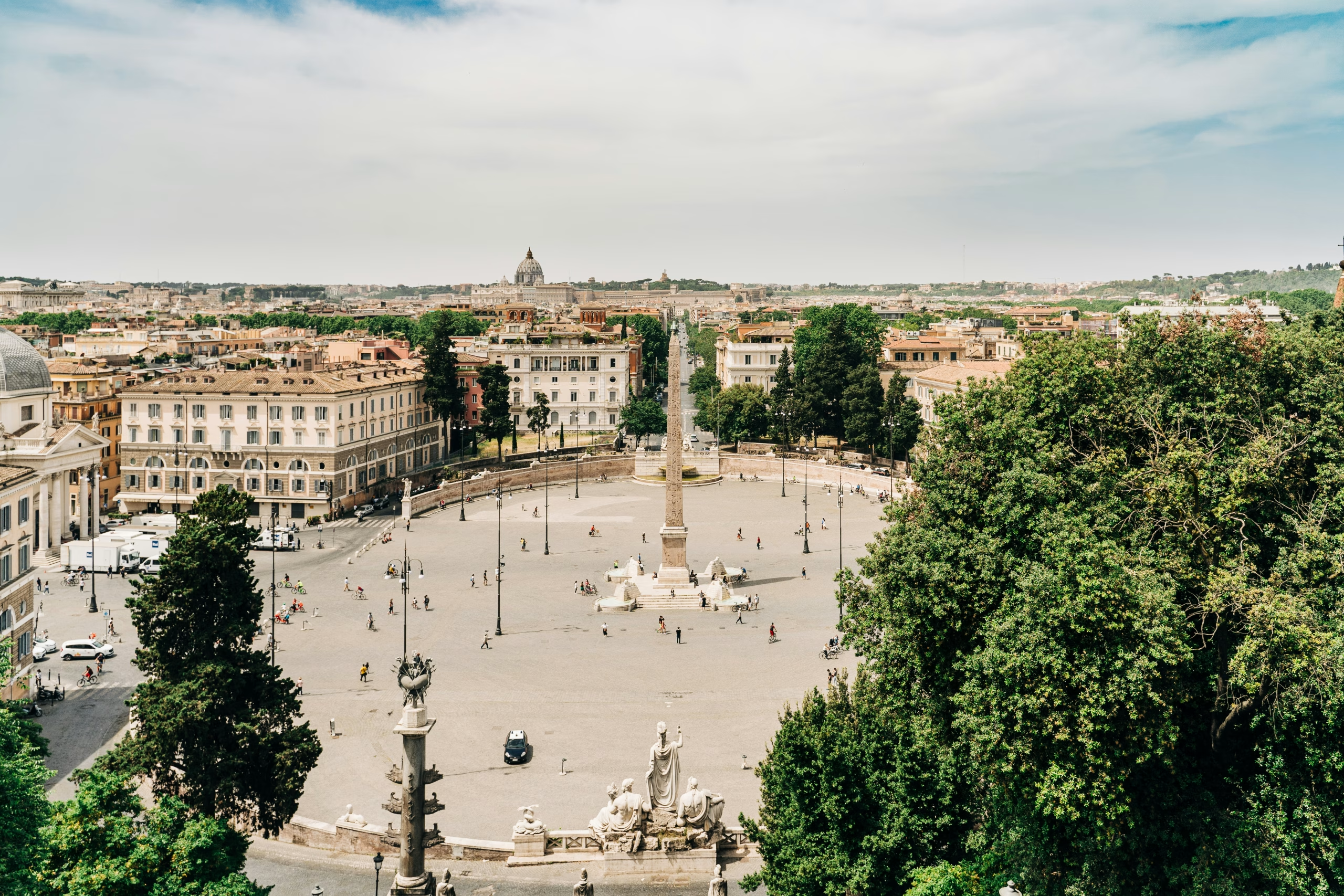
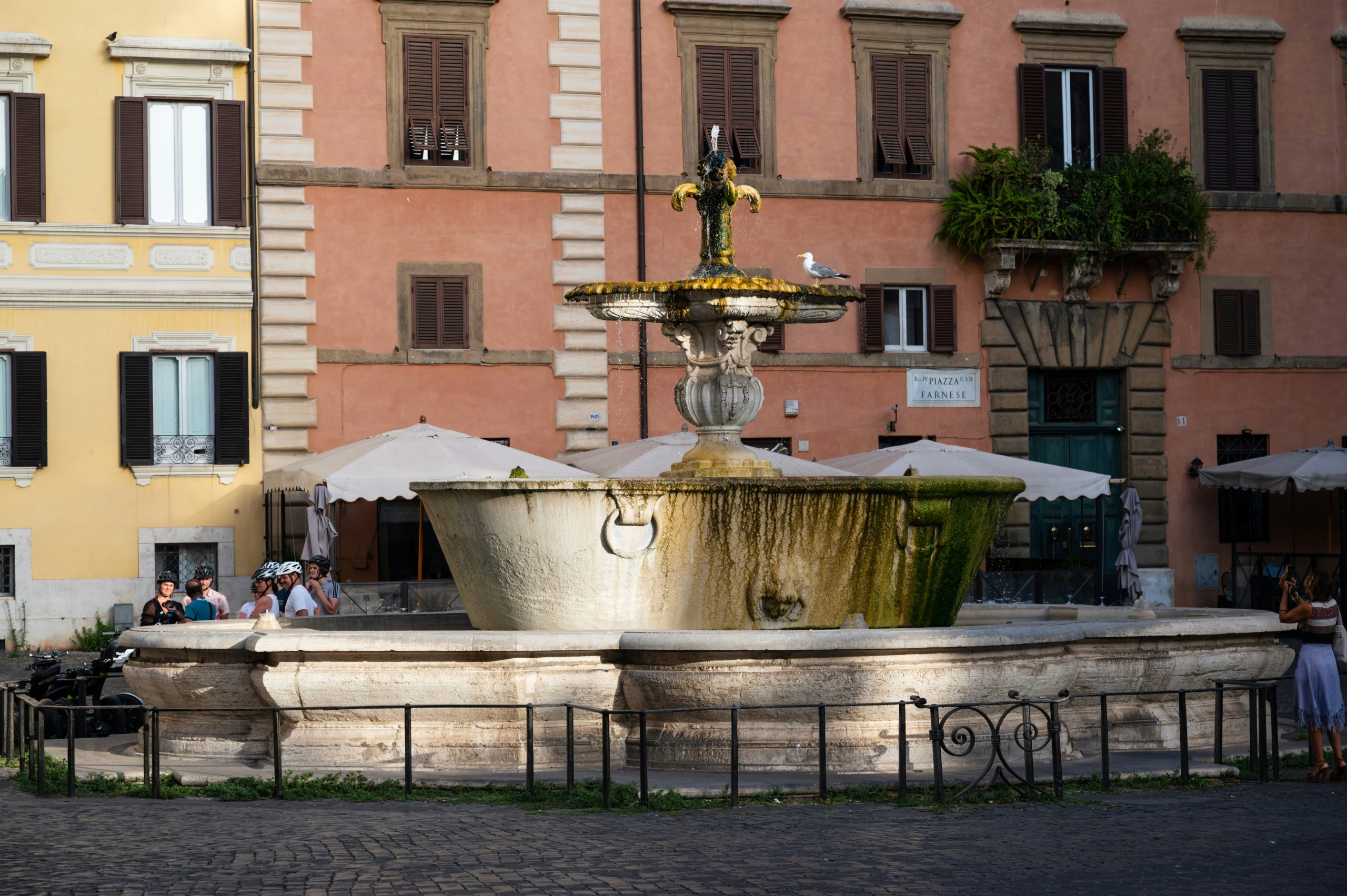
Among Rome’s Baroque squares, Piazza Farnese offers a quieter and more measured expression of Baroque design. While less theatrical than Piazza Navona or Piazza di Spagna, it stands out for its sense of balance, proportion and architectural restraint.
Moreover, it reveals how Baroque Rome could communicate power through calm rather than spectacle.
The square is defined by the monumental Palazzo Farnese, one of the most important Renaissance palaces in the city. Its long façade sets the visual tone, creating a stable backdrop that anchors the space. As a result, the piazza feels ordered and composed, allowing architecture to lead the experience rather than movement.
At the center, the two symmetrical fountains add rhythm without overwhelming the square.
Their understated design reinforces the idea of equilibrium, guiding the eye gently across the space.
Furthermore, the open layout encourages pauses and observation, making Piazza Farnese an ideal contrast to the more dynamic Baroque settings nearby.
What makes Piazza Farnese particularly interesting is its relationship with the surrounding streets.
Located just steps from Campo de’ Fiori and Via Giulia, the square acts as a moment of visual and spatial relief.
Consequently, it highlights one of the strengths of Baroque urban planning: the ability to alternate intensity and calm within a compact area.
Piazza Farnese demonstrates that Baroque Rome was not only about drama and movement.
In this square, elegance and proportion take precedence, offering a refined interpretation of Baroque principles that rewards slow exploration.
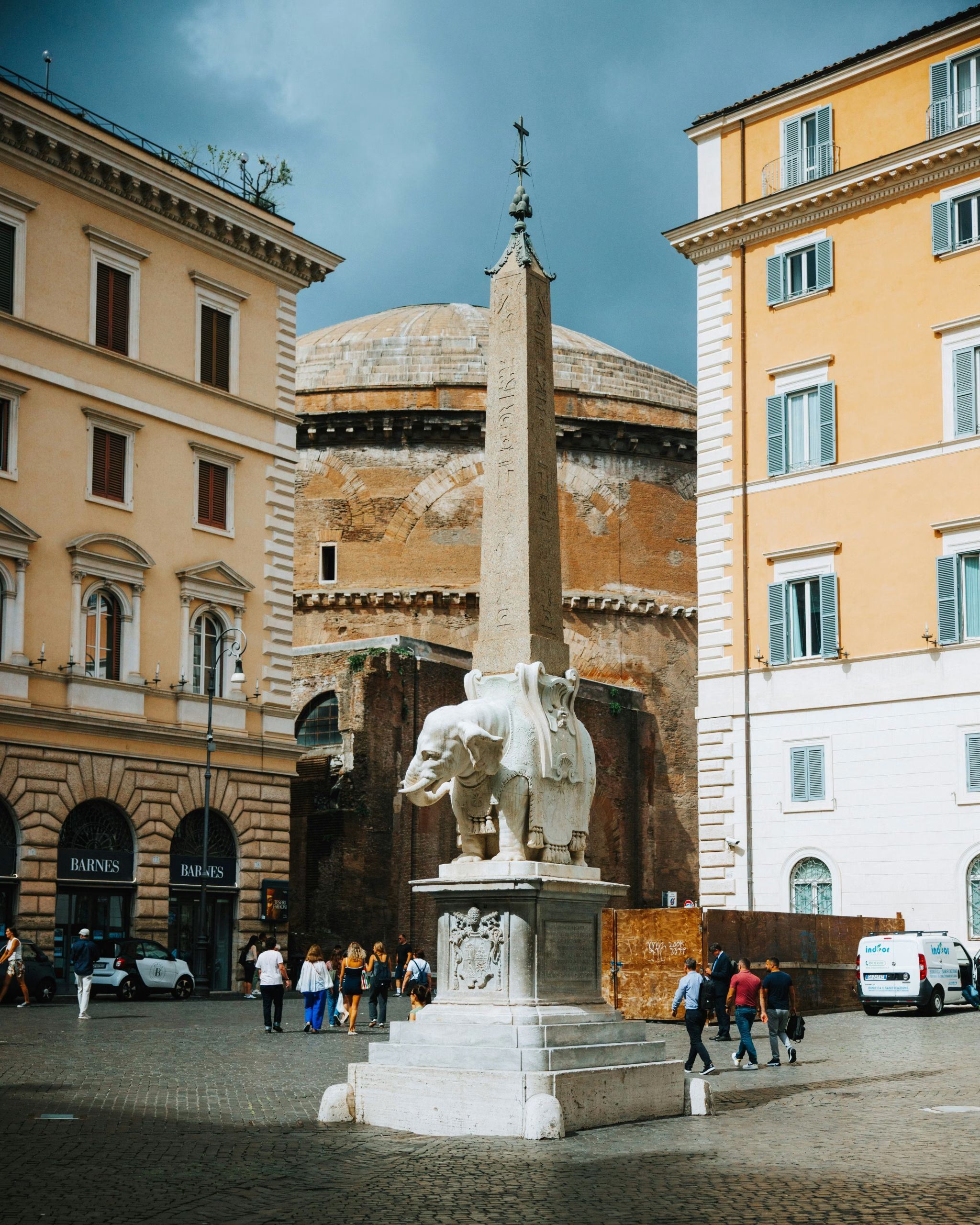
Among Rome’s Baroque squares, Piazza della Minerva offers a more intimate and reflective atmosphere.
Tucked behind the Pantheon, this small piazza feels removed from the grand gestures seen elsewhere. Moreover, its scale encourages close observation rather than sweeping movement.
The square is dominated by the façade of Santa Maria sopra Minerva, one of the few Gothic churches in Rome. This architectural contrast immediately sets the tone, creating a dialogue between different periods rather than a single Baroque statement.
As a result, the piazza feels layered and intellectually engaging.
At the center stands Bernini’s elephant and obelisk, a compact yet highly symbolic monument. Unlike the dramatic fountains of Piazza Navona, this sculpture invites interpretation through wit and balance.
Furthermore, its placement reinforces the square’s role as a space for contemplation rather than spectacle.
Piazza della Minerva also functions as a transitional space. It connects major landmarks while maintaining a quieter rhythm, allowing visitors to pause between more intense urban experiences.
Consequently, the square reveals another side of Baroque Rome — one defined by restraint, symbolism and thoughtful integration into the surrounding fabric.
This piazza may be small, but its significance lies in contrast.
Piazza della Minerva demonstrates how Baroque ideas could adapt to scale and context, offering a refined alternative to Rome’s larger and more theatrical squares.
Experiencing Rome’s Baroque squares is less about ticking landmarks off a list and more about understanding how these spaces were meant to be used.
The best approach is to move slowly, allowing architecture, sculpture and movement to guide your pace. Moreover, visiting at different times of day reveals how light and activity reshape each square.
Early morning is ideal for observation. Piazza Navona and Piazza di Spagna feel calmer, making it easier to read architectural details and spatial relationships.
As a result, fountains and façades become more legible, free from constant visual distractions.
Late afternoon offers another valuable moment, when warm light enhances textures and stone surfaces.
Walking between squares is just as important as reaching them.
Connecting Piazza Navona with Piazza Farnese, or Piazza di Spagna with Piazza del Popolo, allows you to experience Baroque Rome as a continuous urban sequence rather than isolated stops.
Furthermore, these short transitions highlight how carefully the city was designed to balance movement and pause.
Avoid rushing from one square to the next.
Instead, choose a few key spaces and spend time observing how people interact with them.
Notice where visitors stop, where locals pass through, and how the space adapts to daily life.
Consequently, the squares reveal their original function as stages for social, religious and civic interaction.
By approaching Rome’s Baroque squares with intention, you move beyond surface beauty.
You begin to understand how these spaces shaped the city’s identity — and how they continue to influence the way Rome is experienced today.
What are the most beautiful Baroque squares in Rome?
Piazza Navona, Piazza di Spagna, Piazza del Popolo, Piazza Farnese and Piazza della Minerva are among the most important Baroque squares in Rome, each offering a different interpretation of Baroque urban design.
Why is Piazza Navona considered a Baroque masterpiece?
Because it combines Bernini’s Fountain of the Four Rivers with Baroque architecture and an ancient Roman layout, creating one of the most theatrical public spaces in the city.
Is Piazza di Spagna a Baroque square?
Yes. The Spanish Steps and the Fontana della Barcaccia are key examples of Baroque planning based on movement, perspective and controlled visual rhythm.
What makes Piazza del Popolo different from other Baroque squares?
Its design focuses on symmetry, geometry and monumentality rather than sculptural drama, making it a ceremonial gateway to Rome.
Are these Baroque squares free to visit?
Yes. All the squares mentioned in this guide are public spaces and can be visited at any time without tickets.
What is the best time to visit Rome’s Baroque squares?
Early morning and late afternoon are ideal. These moments offer better light, fewer crowds and a clearer reading of architecture and space.
Semi-private tours with expert guides — Colosseum, Vatican, Baroque Rome and more. Maximum 8 people per group.
Book Your Experience →