
Trip in Art
December 9, 2025
Exploring the art exhibitions in Rome 2026 means experiencing a city that continues to reinvent its cultural identity.
Museums and foundations are preparing a season rich in dialogues between classical heritage and contemporary visions, offering visitors a curated selection of shows across the year.
Moreover, the 2026 program highlights Rome’s ability to connect different eras through thoughtful narratives and exceptional artworks.
From major projects at the Capitoline Museums to refined exhibitions in historic palaces and contemporary venues, the city reveals a diverse cultural landscape designed for curious travelers and art lovers.
As a result, planning your visit around key exhibitions can transform your entire stay, adding depth and meaning to each day.
Important: dates and opening hours for 2026 exhibitions may vary. We recommend checking the latest updates on official museum websites before your visit
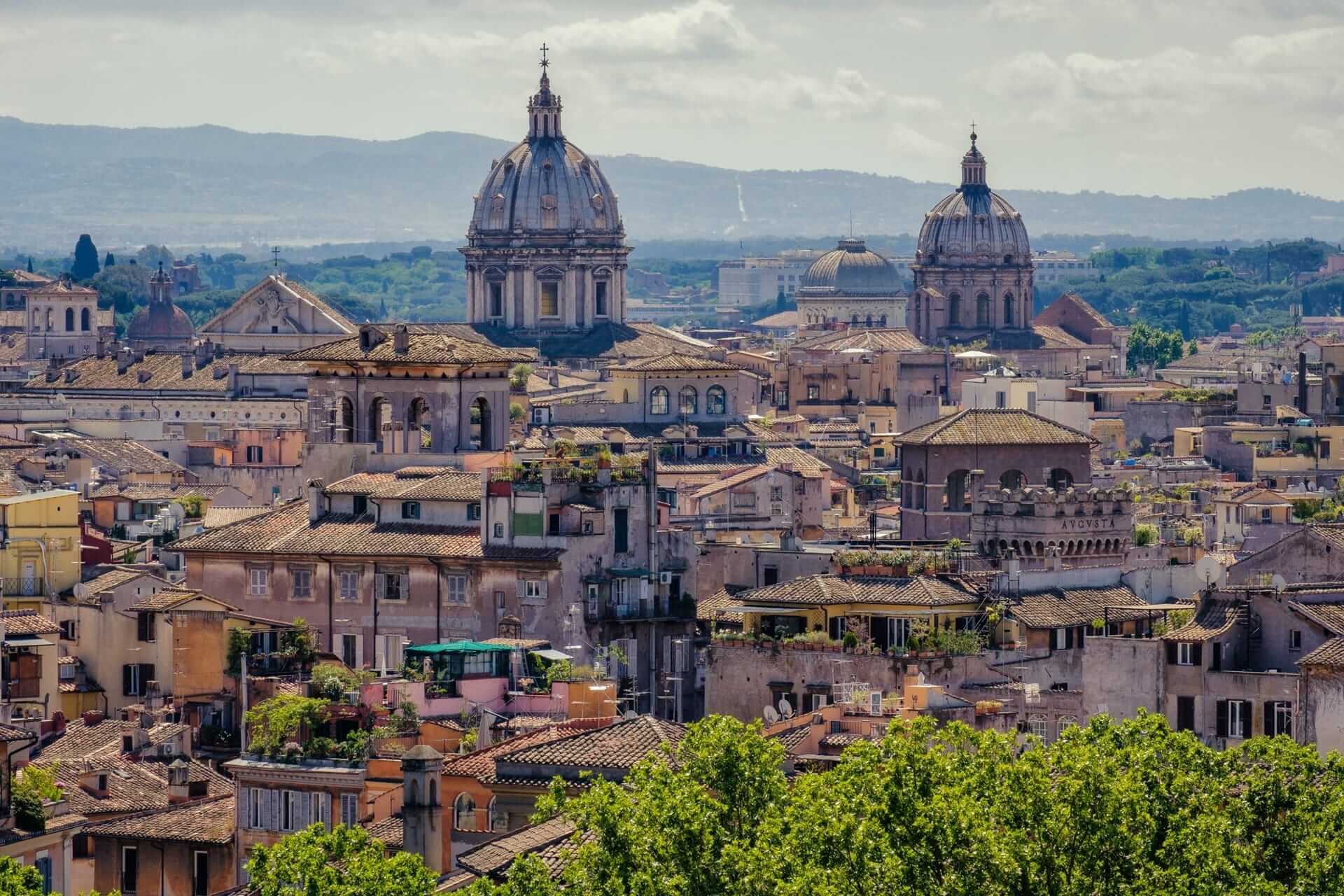
The Capitoline Museums remain one of the most dynamic institutions in Rome, offering exhibitions that bridge ancient heritage and contemporary perspectives.
Moreover, their 2026 program highlights projects able to reinterpret the city’s identity through sculpture, myth and material culture.
Among the confirmed shows, “Cartier & Myths” stands out for its refined dialogue between ancient iconography and modern craftsmanship.
Displayed within the museum’s classical architecture, the exhibition explores how mythological figures inspired some of the Maison’s most iconic creations. As a result, visitors experience a thoughtful intersection between archaeology and contemporary design.
In addition to the headline exhibitions, the museums often present focused displays on Roman portraiture, epigraphy and urban history.
These smaller projects are ideal for travelers who want to deepen their understanding of the city without navigating crowded spaces. Furthermore, terraces overlooking the Forum enrich the visit with unexpected views that connect artworks to their original context.
Exploring the Capitoline Museums with attention allows you to appreciate both major narratives and subtle details. Consequently, they become an essential stop for an art-centered trip to Rome in 2026.
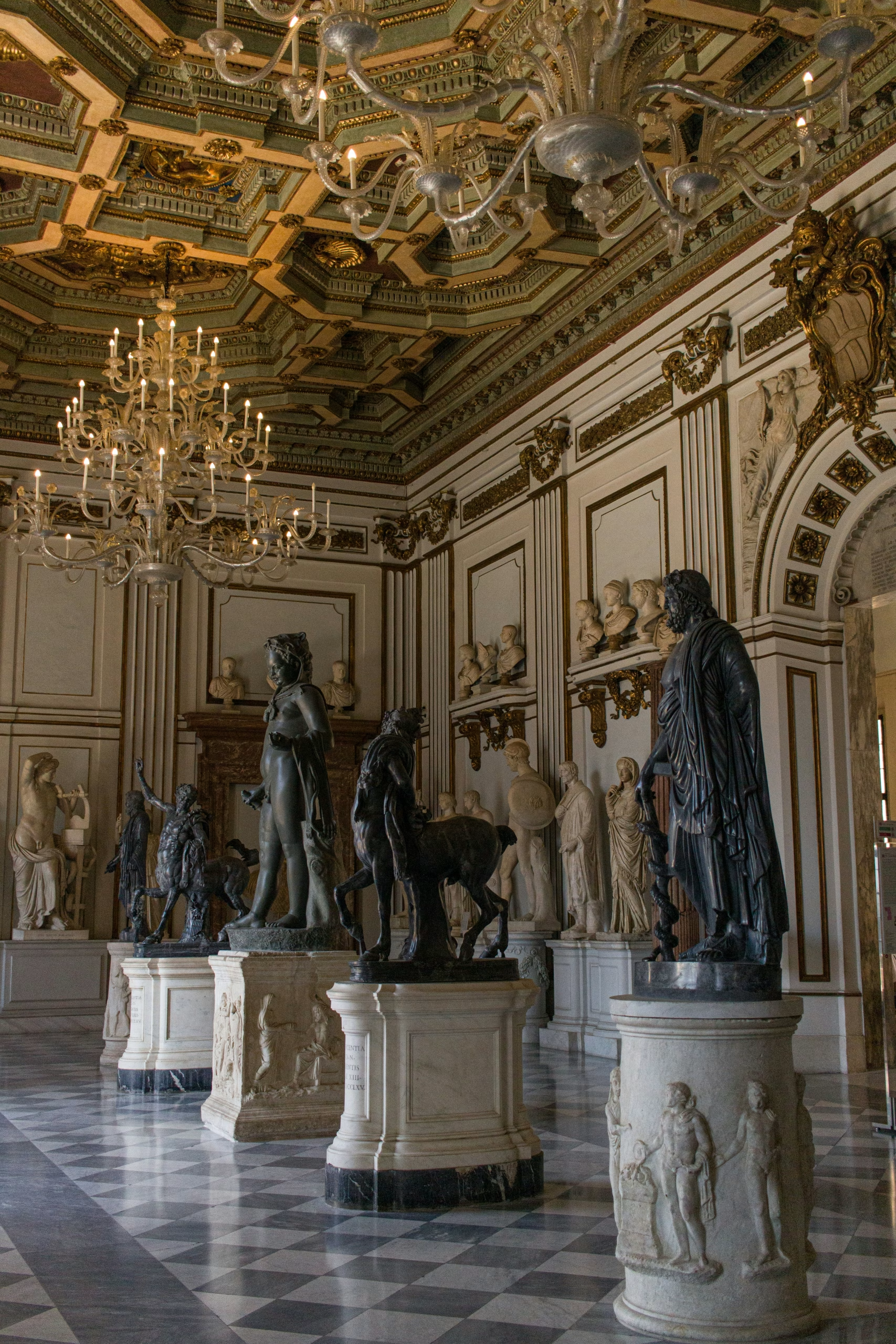
Palazzo Barberini and Galleria Corsini continue to strengthen their role as key institutions for understanding Rome’s artistic identity.
Their 2026 program focuses on refined narratives and high-quality research, offering exhibitions that illuminate both major masters and lesser-known chapters of Italian art.
Moreover, the two venues complement each other through contrasting atmospheres: the grandeur of Barberini and the intimate scale of Corsini.
One of the most anticipated projects is “Bernini e i Barberini”, opening in February 2026.
The exhibition explores the relationship between the Barberini family and Gian Lorenzo Bernini, highlighting how patronage, politics and artistic ambition shaped the Baroque era.
As a result, visitors gain a deeper view of Rome’s cultural ecosystem during one of its most influential periods.
Alongside these headline shows, both museums frequently host thematic exhibitions on portraiture, baroque symbolism and the evolution of decorative arts.
Furthermore, their permanent collections integrate seamlessly with temporary projects, allowing for a richer reading of Rome’s artistic heritage.
For travelers seeking a curated cultural experience, Barberini and Corsini offer exhibitions that feel both profound and accessible.
Consequently, they represent essential stops for anyone exploring the city’s art scene in 2026.
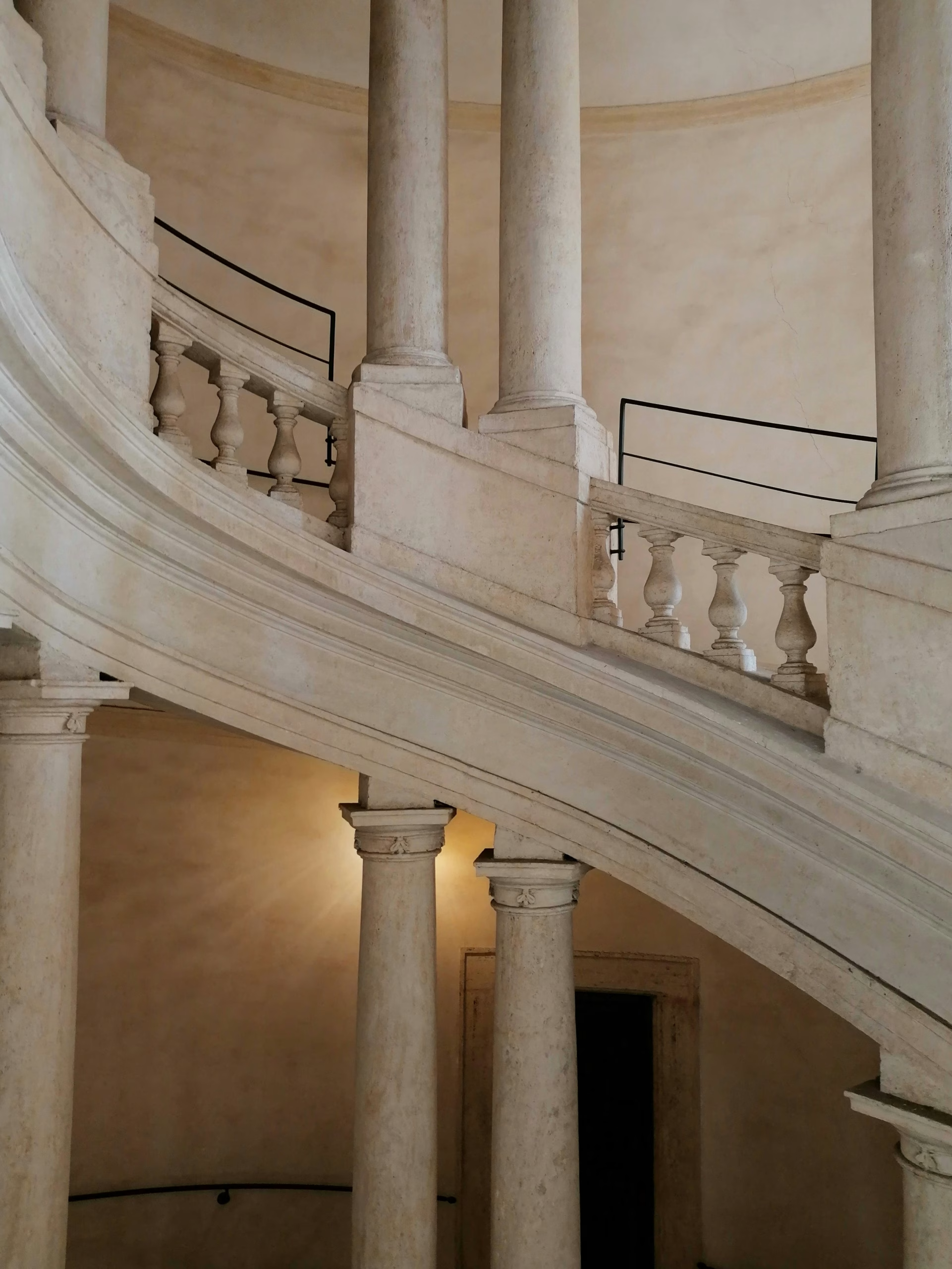
Contemporary art in Rome continues to evolve through a mix of institutional programs and independent initiatives.
Although schedules may shift throughout the year, 2026 is expected to bring new commissions, international collaborations and research-driven exhibitions.
Moreover, the city’s contemporary scene remains defined by its ability to weave modern perspectives into historic settings.
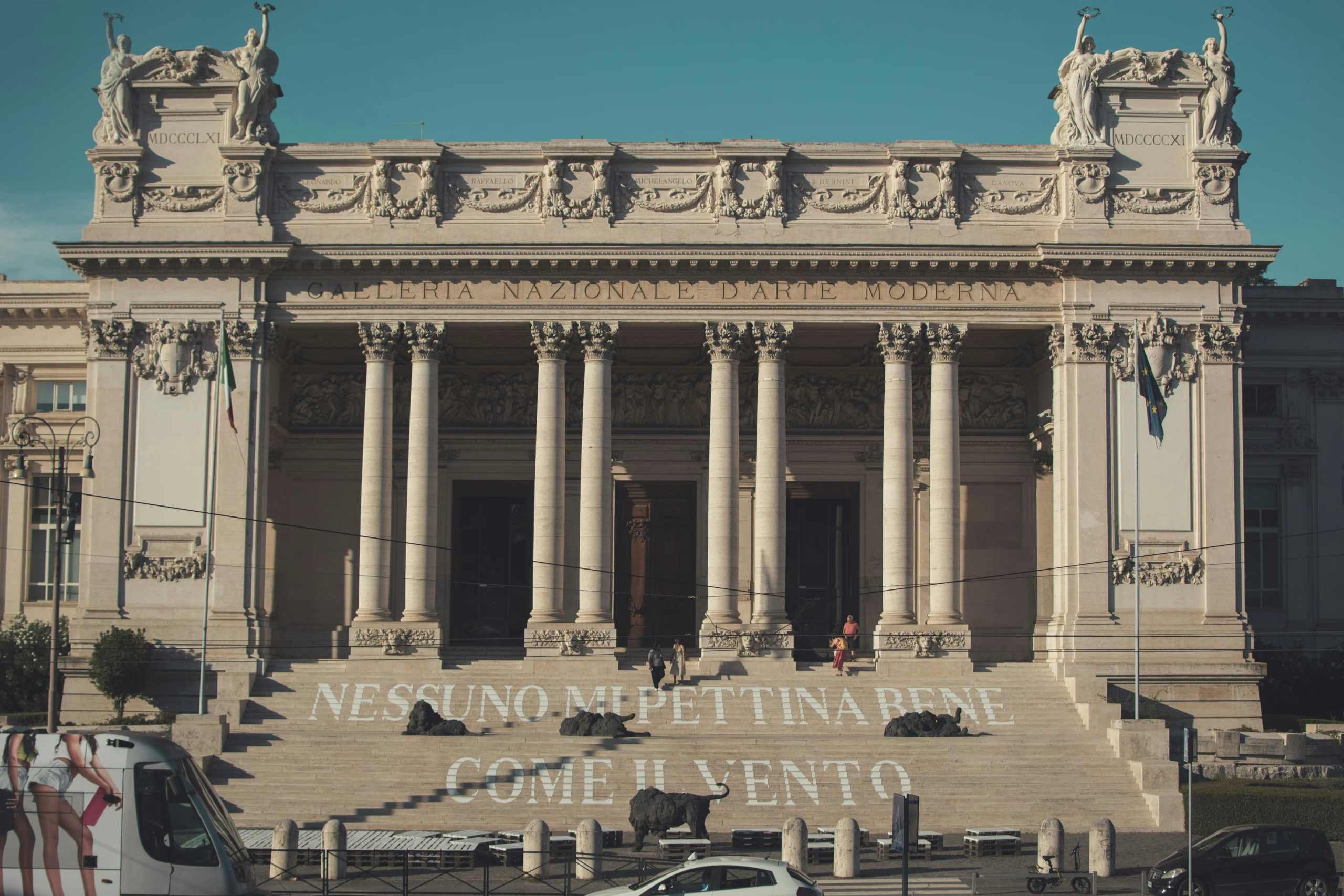
At the Galleria Nazionale, temporary exhibitions often explore cross-disciplinary dialogues between painting, sculpture and installation. These projects tend to focus on reinterpretations of Italian modernism or broader reflections on identity, space and memory.
As a result, visitors encounter narratives that feel both rooted and forward-looking.
Rome’s network of private foundations and project spaces adds another layer.
These venues regularly host emerging artists, site-specific interventions and smaller exhibitions that reward attentive exploration.
Furthermore, their scale encourages a direct, almost intimate relationship with the works on view.
Together, these spaces create a contemporary landscape that is both diverse and accessible.
Consequently, art lovers can experience a year shaped by thoughtful experimentation and curated storytelling, even beyond the city’s major museums.
Beyond major institutions, Rome’s cultural scene thrives in smaller venues where experimentation and research shape the rhythm of the year.
These spaces often host exhibitions that pass under the radar of mainstream tourism, yet they offer some of the most meaningful encounters with contemporary creativity.
Moreover, their curatorial approach tends to be precise, intimate and deeply connected to the city’s artistic fabric.
Among the most active environments, independent project spaces regularly present site-specific works, emerging artists and short-run exhibitions that reward attentive visitors.
Their programs evolve quickly, creating opportunities to experience art in flexible formats closer to the studio than to the museum hall.
As a result, each show feels unique, shaped by its context and the relationship between artist and space.
Foundations and small cultural centers also play an important role.
Their exhibitions often explore themes such as identity, urban transformation or cross-media experimentation. Furthermore, these venues cultivate a quieter atmosphere that encourages slow viewing and reflection — a valuable contrast to the more structured paths of larger museums.
Discovering these spaces adds depth to any art-focused itinerary.
Consequently, they reveal another Rome: one that values research, dialogue and creative freedom, offering a different perspective on how the city continues to reinvent its cultural voice.
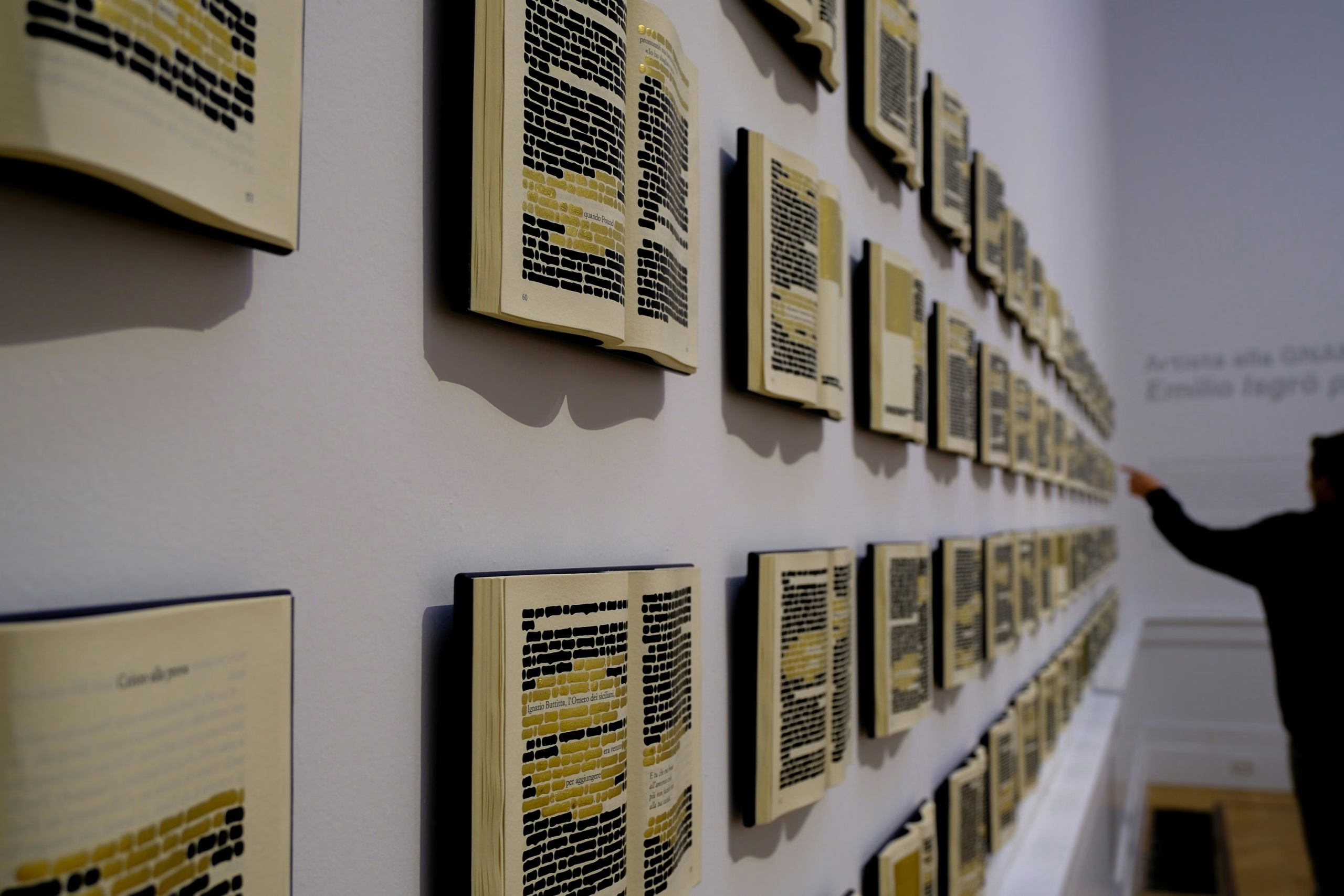
Planning an art trip to Rome in 2026 becomes easier with a few simple strategies.
First, consider structuring your days around museum time slots, as major venues often offer quieter hours in the early morning or late afternoon.
Moreover, booking tickets in advance helps you manage your schedule without rushing from one exhibition to another.
Choosing accommodations within central neighborhoods such as Monti, Tridente or Trastevere allows you to move between museums and smaller art spaces on foot.
As a result, your visit feels more fluid and connected to the city’s daily rhythm.
Allowing space for spontaneity is equally important.
Smaller foundations and independent galleries frequently update their programs, and discovering a temporary exhibition by chance can become one of the highlights of your trip.
Furthermore, alternating major shows with quieter venues creates a balanced pace that enhances your experience.
Finally, remember to check official websites for updates, especially when planning exhibitions with specific closing dates. Consequently, your art itinerary remains accurate and tailored to the most current cultural offerings.
Which art exhibitions should I not miss in Rome in 2026?
Major projects at the Capitoline Museums and Palazzo Barberini stand out, alongside selected contemporary shows at the Galleria Nazionale and independent spaces. Moreover, their programs combine research, storytelling and strong visual impact.
Are exhibition dates in Rome for 2026 already confirmed?
Many dates are announced early, while others may shift during the year. As a result, checking official museum websites before your visit is essential.
Where can I find contemporary art exhibitions in Rome?
Institutions such as the Galleria Nazionale and several foundations host rotating contemporary projects. Furthermore, independent galleries and project spaces offer smaller, research-driven shows.
Do I need to book tickets in advance?
For major exhibitions, yes. Booking early ensures smoother access and helps you structure your art itinerary more efficiently.
Are there hidden or lesser-known exhibitions worth seeing?
Absolutely. Smaller museums and independent venues present focused projects that often offer quieter, more intimate experiences. Consequently, they can become highlights of your trip.
Which neighborhoods are best for an art-focused visit?
Monti, Tridente and Trastevere place you close to major museums and smaller cultural spaces. Moreover, these areas allow you to explore exhibitions on foot.
Semi-private tours with expert guides — Colosseum, Vatican, Baroque Rome and more. Maximum 8 people per group.
Book Your Experience →