
Trip in Art
December 6, 2025
Exploring the hidden gems in Rome 2026 means discovering a city that reveals itself slowly, far from the usual routes.
Beyond iconic landmarks, Rome offers intimate corners, quiet museums and unexpected art spaces that preserve its real identity. Moreover, these places allow you to experience a deeper connection with history and atmosphere.
In fact, each district holds a different story, shaped by architecture, light and daily life. As a result, this guide highlights spaces where art feels close, accessible and authentic.
Whether you love symbolism, sculpture or contemporary hints, these hidden gems create a unique way to understand the city beyond the crowds.
Villa Torlonia is one of Rome’s most refined escapes, a place where silence and architecture create an unexpected dialogue.
Moreover, its gardens offer a calm introduction to the day, with winding paths and elegant neoclassical buildings. Among them, the Casina delle Civette stands out as a true hidden gem.
Designed as a retreat for Prince Giovanni Torlonia, the villa blends Art Nouveau details, symbolic motifs and a surprising variety of stained-glass windows.
Each room reveals a different atmosphere, shaped by color and light. As a result, the Casina feels more like an artist’s dream than a historic residence.
Visitors often overlook this place in favor of more famous sites, yet its intimacy makes it one of the most rewarding stops for anyone who loves decorative arts.
Furthermore, the museum’s smaller scale allows you to appreciate each detail without distraction.
Walking through the garden afterwards completes the experience, giving you time to absorb the textures and stories hidden in this unique corner of Rome.
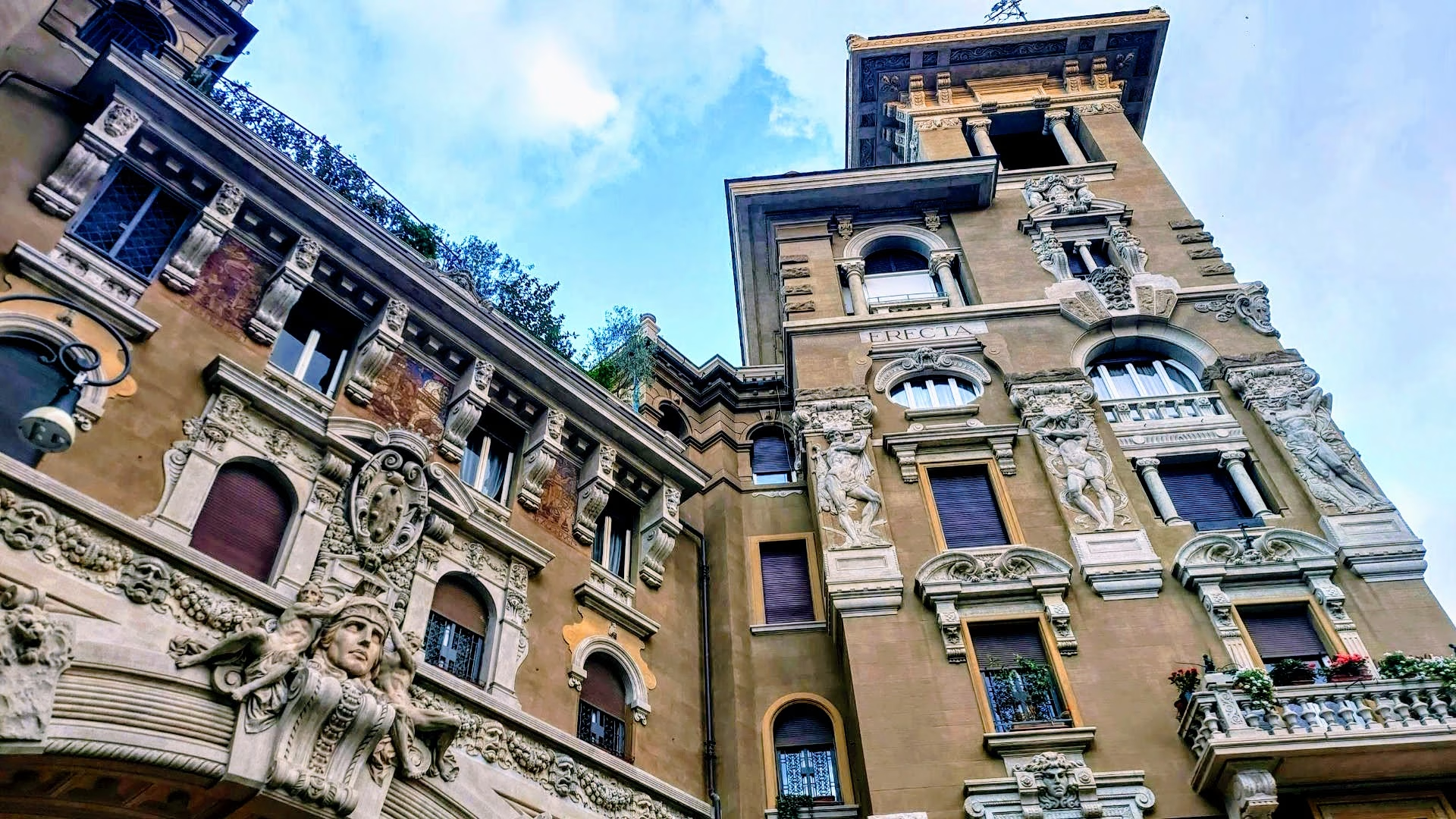
Quartiere Coppedè is one of Rome’s most surprising districts, a small architectural world where imagination becomes structure.
Moreover, its atmosphere feels immediately different from the surrounding streets, creating a sense of entering a secret enclave.
Designed by Gino Coppedè in the early 20th century, the neighborhood blends Art Nouveau, medieval hints and cinematic details.
As a result, every corner reveals something unexpected: mosaics, arches, wrought-iron decorations and symbolic motifs that reward a slow, attentive walk.
The Fountain of the Frogs marks the heart of the district. Around it, façades shift in style without losing coherence, forming a visual composition that feels almost theatrical.
Furthermore, the area remains relatively quiet compared to central Rome, offering rare space to observe without interruptions.
Visitors often reach Coppedè by chance, yet exploring it intentionally changes everything.
Light frames balconies in different ways throughout the day, and the interplay of textures creates a layered reading of the architecture.
Consequently, it becomes one of the most distinctive “hidden gems” in the city, especially for travelers who enjoy symbolic details and unusual artistic languages.
A slow walk through these streets enriches your understanding of Rome as a city of contrasts—where timeless heritage coexists with bold, imaginative visions.
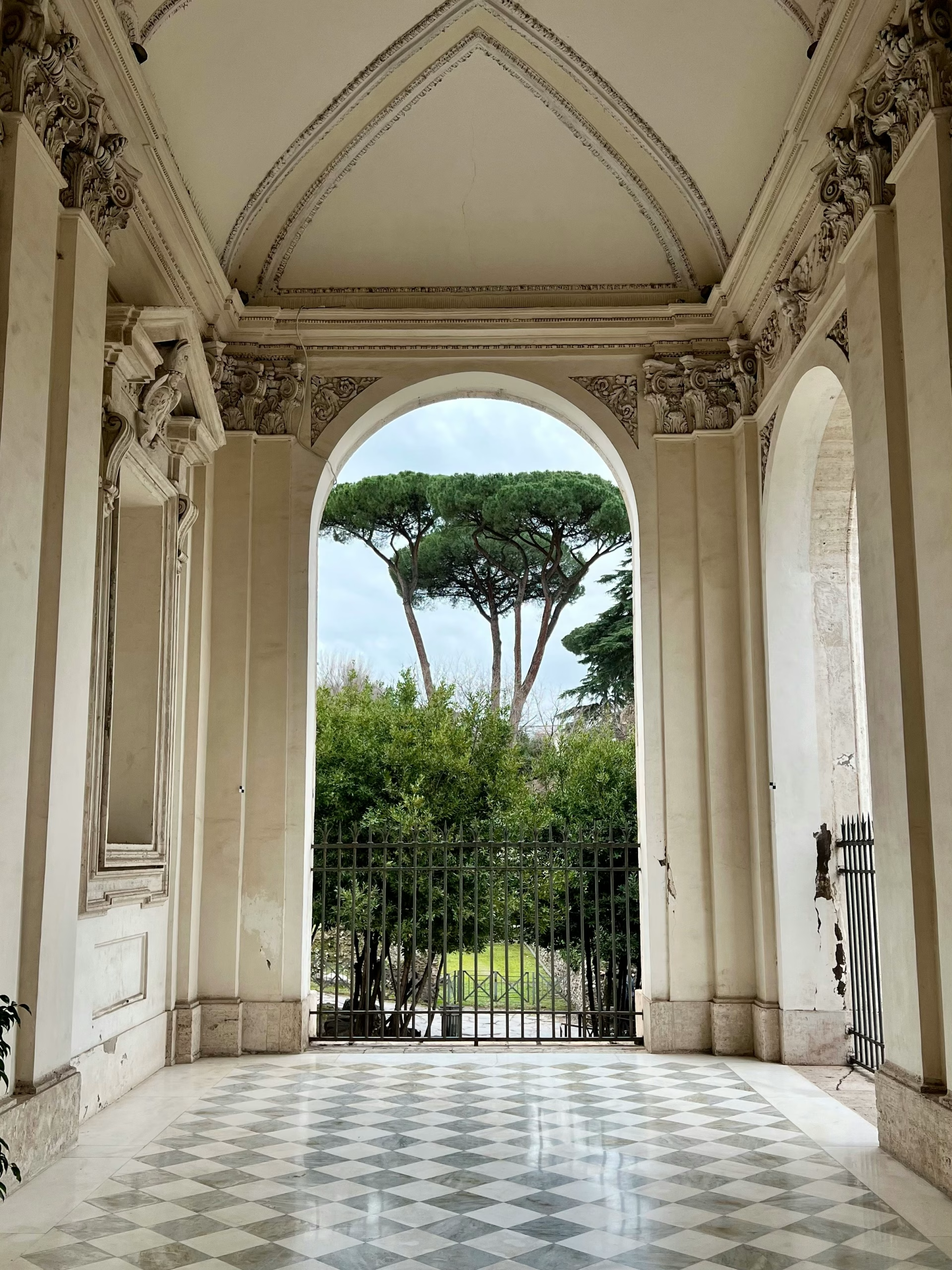
The Aventine Hill offers one of the quietest atmospheres in Rome, a place where time seems to slow down as you walk between elegant residences and leafy streets.
Moreover, its elevated position creates natural viewpoints that reveal the city from unexpected angles.
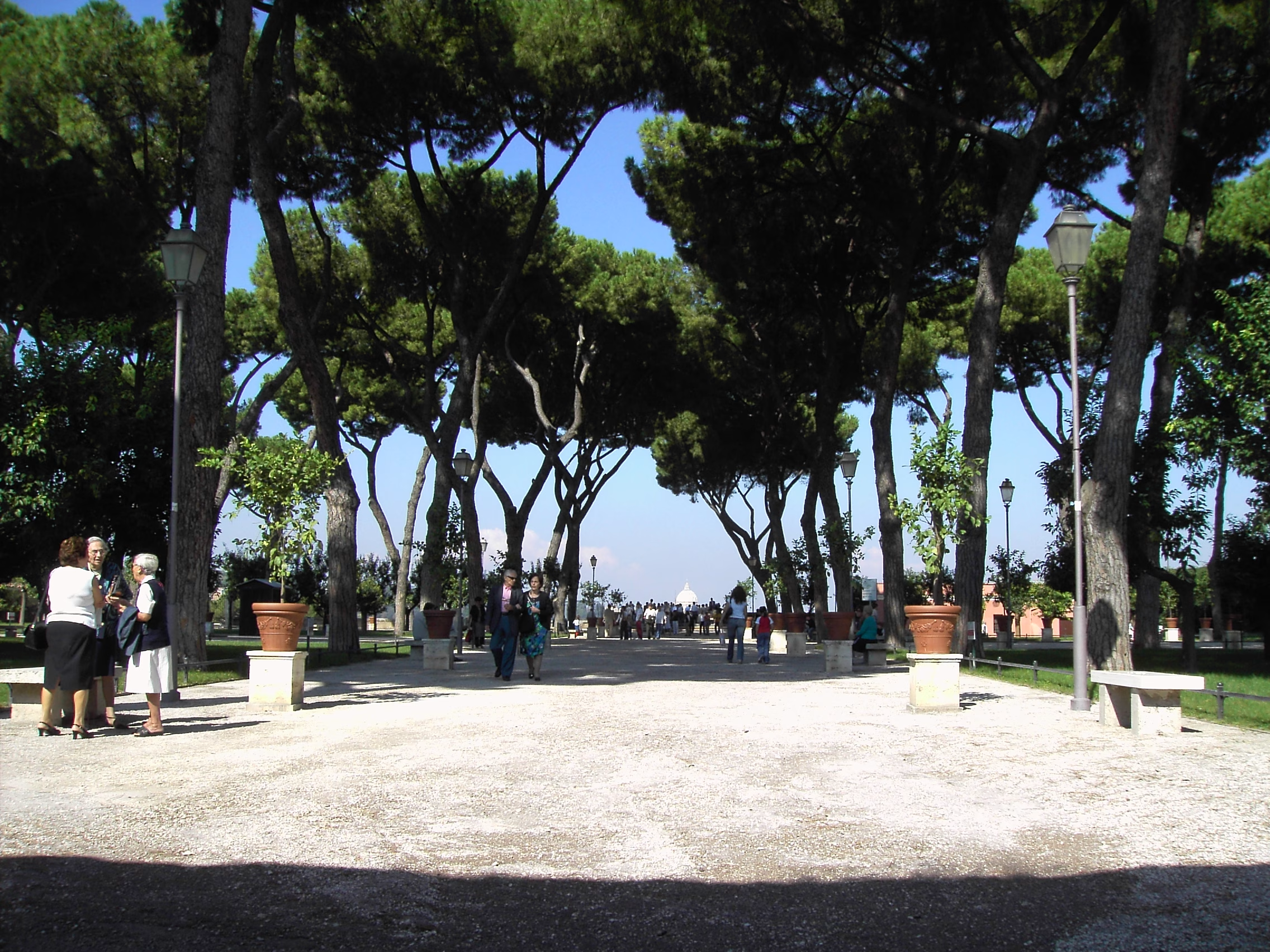
The Giardino degli Aranci is the heart of this calm.
Soft light, symmetrical rows of trees and the gentle opening towards the Tiber make it a rare space where architecture and landscape blend effortlessly.
Arriving early in the morning enhances the experience, as the garden feels almost private and the city noise fades into the distance.
Beyond the garden, small streets like Via di Santa Sabina and the quiet paths surrounding the ancient basilica offer moments of real stillness.
As a result, the Aventine becomes a place to reset your pace while observing subtle architectural details, from medieval walls to refined monastery façades.
This hill is often visited quickly, yet exploring its hidden corners reveals a richer narrative—one made of silence, geometry and thoughtful perspectives.
Consequently, the Aventine stands as one of the most meaningful hidden gems in Rome, perfect for travelers who appreciate beauty without crowds.
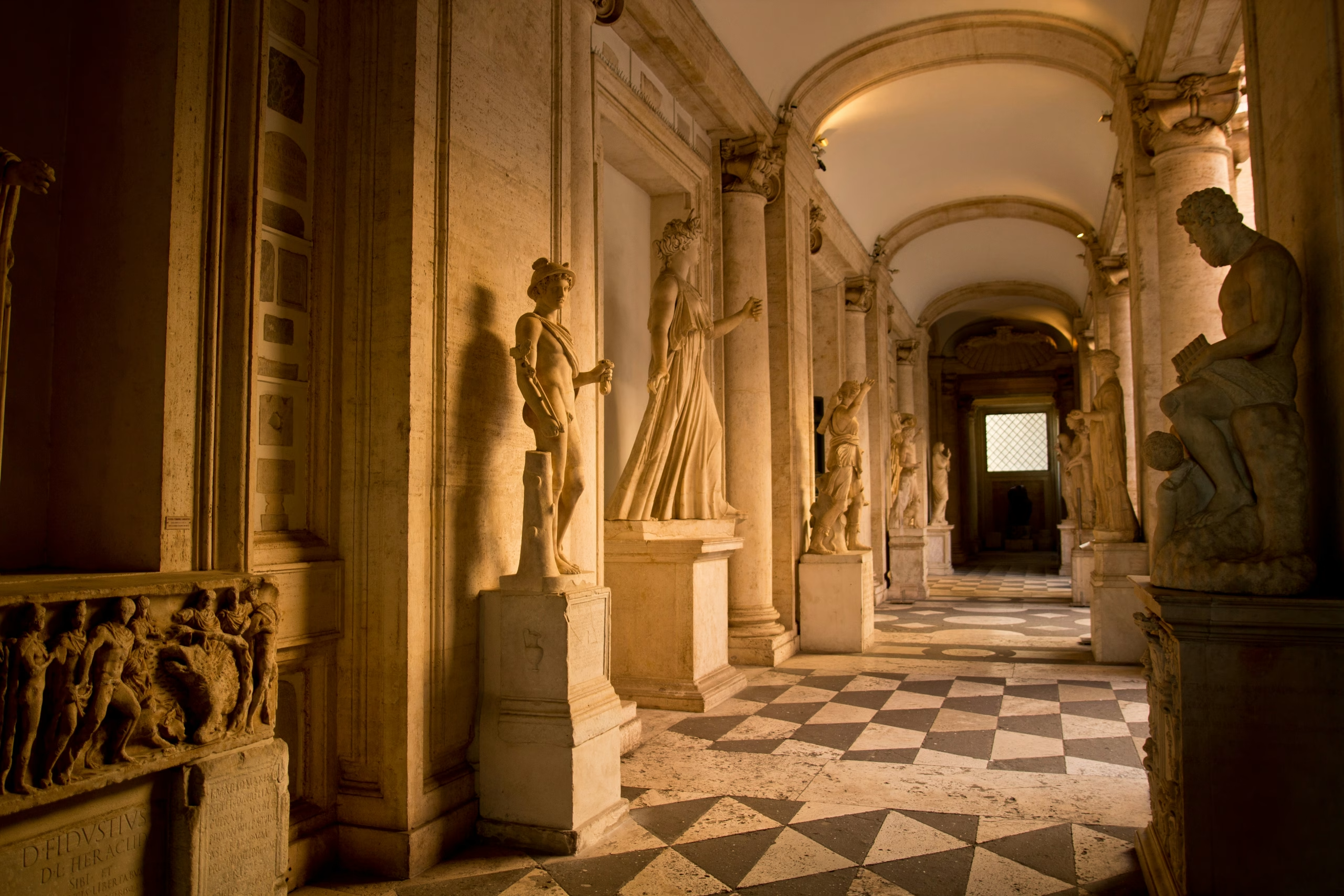
Despite being among the oldest public museums in the world, the Capitoline Museums remain surprisingly overlooked by many visitors. Moreover, those who do enter often rush through without noticing how carefully the collections reveal the story of Rome’s power, identity and artistic evolution.
The experience begins in the Piazza del Campidoglio, redesigned by Michelangelo, where architecture already sets a refined tone.
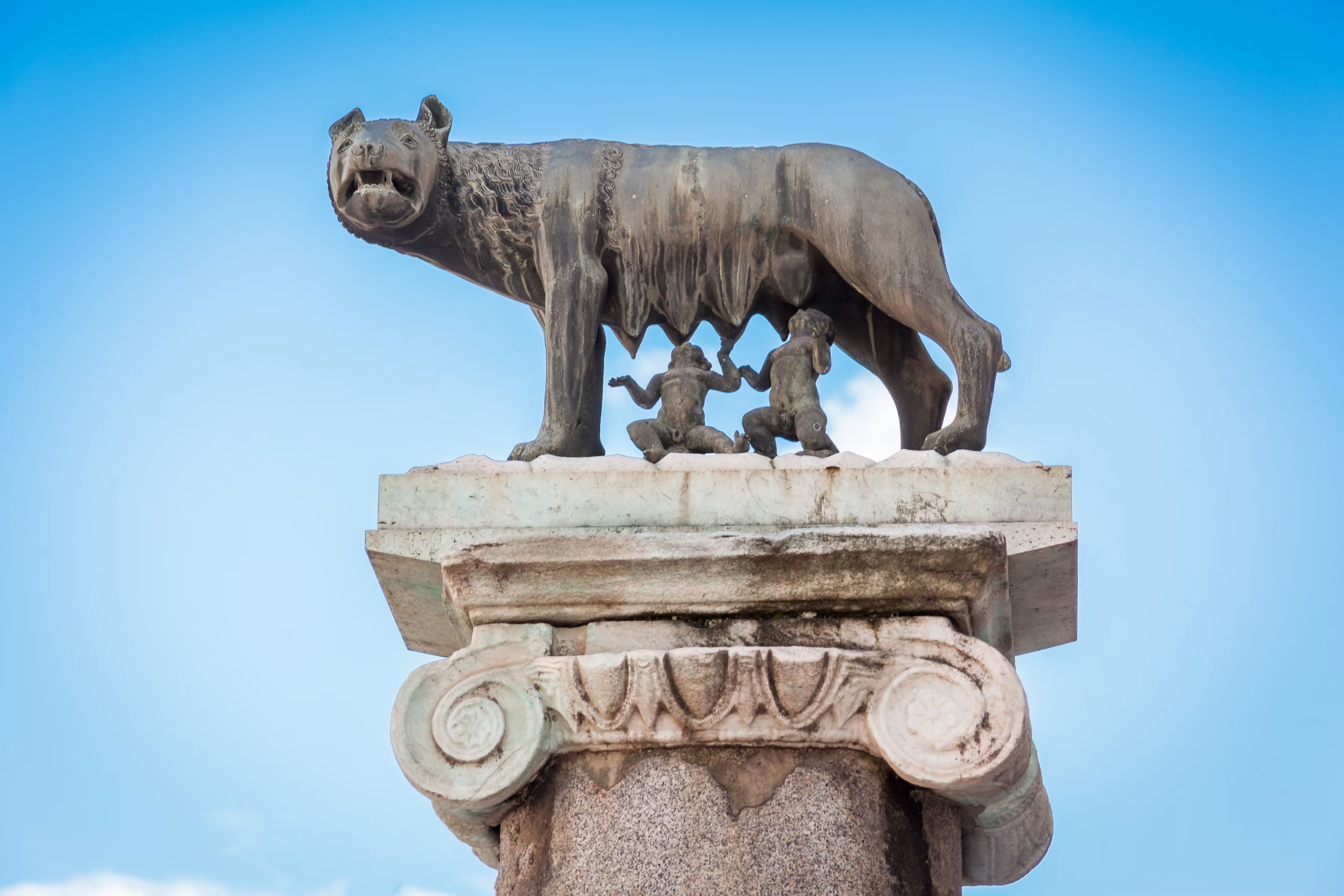
Inside, the museums unfold in a series of intimate rooms and grand galleries that reward slow observation. Works such as the Dying Gaul, the Capitoline Wolf and the Equestrian Statue of Marcus Aurelius offer encounters with masterpieces that shaped Western visual culture.
As a result, the visit feels both educational and emotionally resonant.
What makes the Capitoline Museums a hidden gem is not the lack of fame, but the unexpected quiet you often find inside.
Furthermore, the layout encourages contemplation: corridors open onto terraces overlooking the Forum, and sculptures appear framed by balanced light and elegant proportions.
Exploring the museums without haste reveals connections between portraits, reliefs and urban history. Consequently, the Capitolini become an essential stop for anyone who wants a deeper understanding of Rome beyond its more crowded monuments.
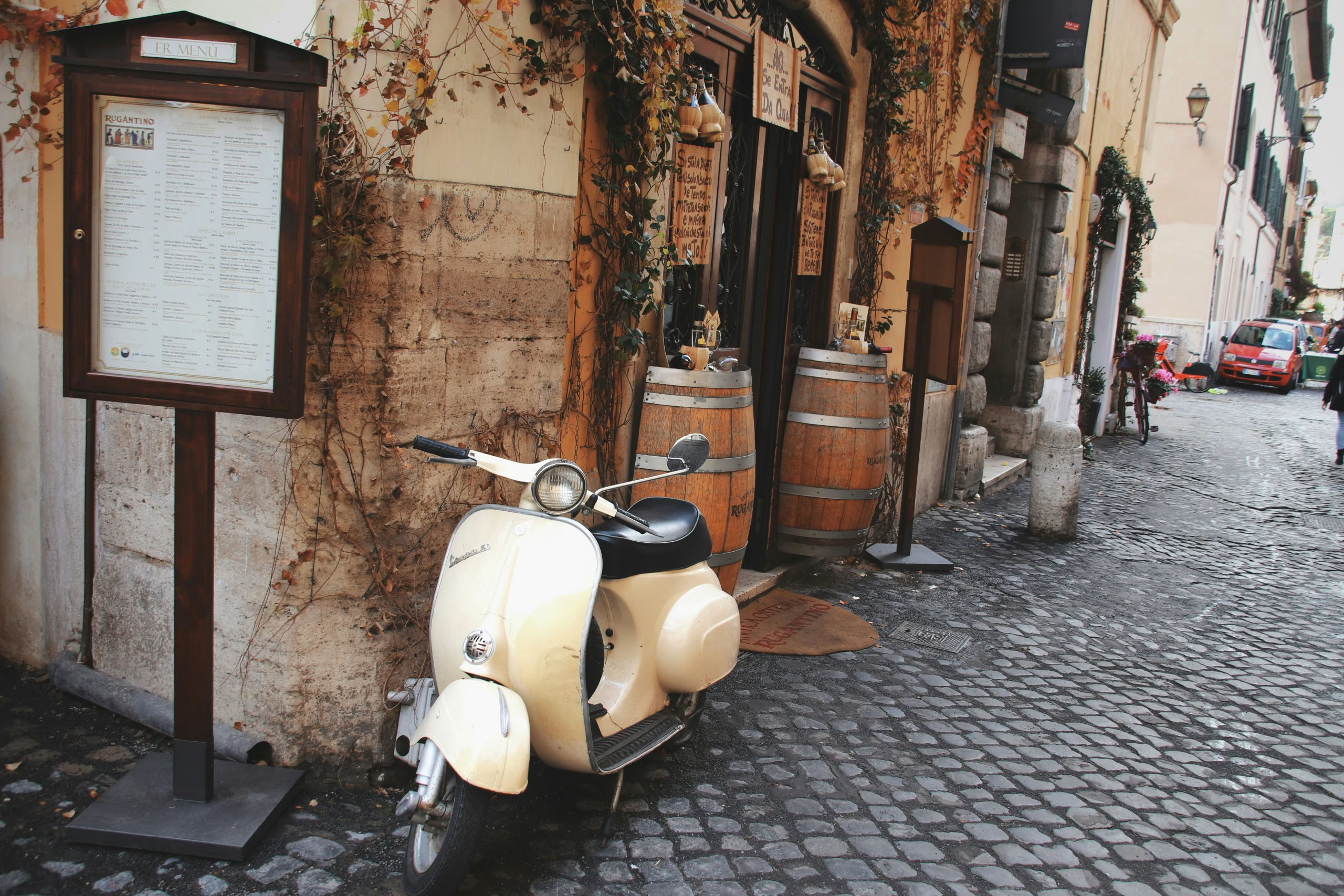
Trastevere is often associated with nightlife and narrow cobblestone streets, yet its artistic side remains one of Rome’s most surprising secrets.
Early in the day, the neighborhood reveals a very different atmosphere: quiet workshops open their doors, and the rhythm of the streets slows enough to notice small details.
Moreover, this is when Trastevere’s real character emerges.
Along Via della Lungaretta and the surrounding alleys, you’ll find artisan studios, independent galleries and traces of medieval architecture woven into everyday life. As a result, the area becomes an informal open-air museum where craftsmanship and history coexist naturally.
One of the district’s most meaningful corners is Piazza di Santa Maria in Trastevere, where the basilica’s mosaics shimmer softly in the morning light.
Furthermore, stepping inside offers an intimate experience that many visitors miss by arriving later in the day.
Exploring Trastevere without a fixed route allows you to discover unexpected compositions—fragments of frescoes, sculpted symbols on doorways, and quiet courtyards hidden behind simple façades.
Consequently, the neighborhood becomes one of the most rewarding places to experience art in its most spontaneous, lived-in form.
Rome offers countless panoramas, yet some of its most captivating views remain outside the classic routes.
These perspectives are quieter, more intimate, and reveal the city in subtle, meaningful ways. Moreover, they allow you to experience Rome’s layers without the crowds that typically gather at famous belvederes.
One of the most atmospheric spots lies near Clivo di Rocca Savella, where a discreet terrace overlooks the Tiber and the soft curve of the ancient walls.
The view is framed by trees and stone, creating a sense of calm that feels almost suspended in time.
As a result, it becomes a perfect pause during a day of exploration.
Another unexpected angle appears along the Passeggiata del Gelsomino, a raised walkway behind the Vatican walls.
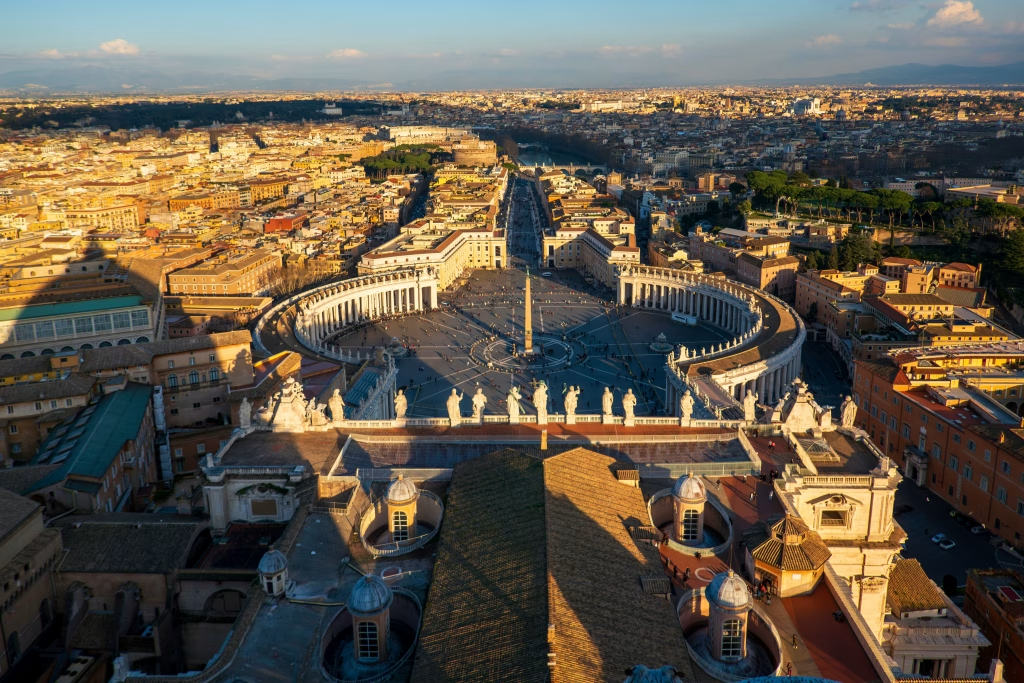
Here, the dome of St. Peter’s emerges gradually, offering a rare, close perspective without the usual chaos of the square. Furthermore, the path itself is often empty, adding to its charm.
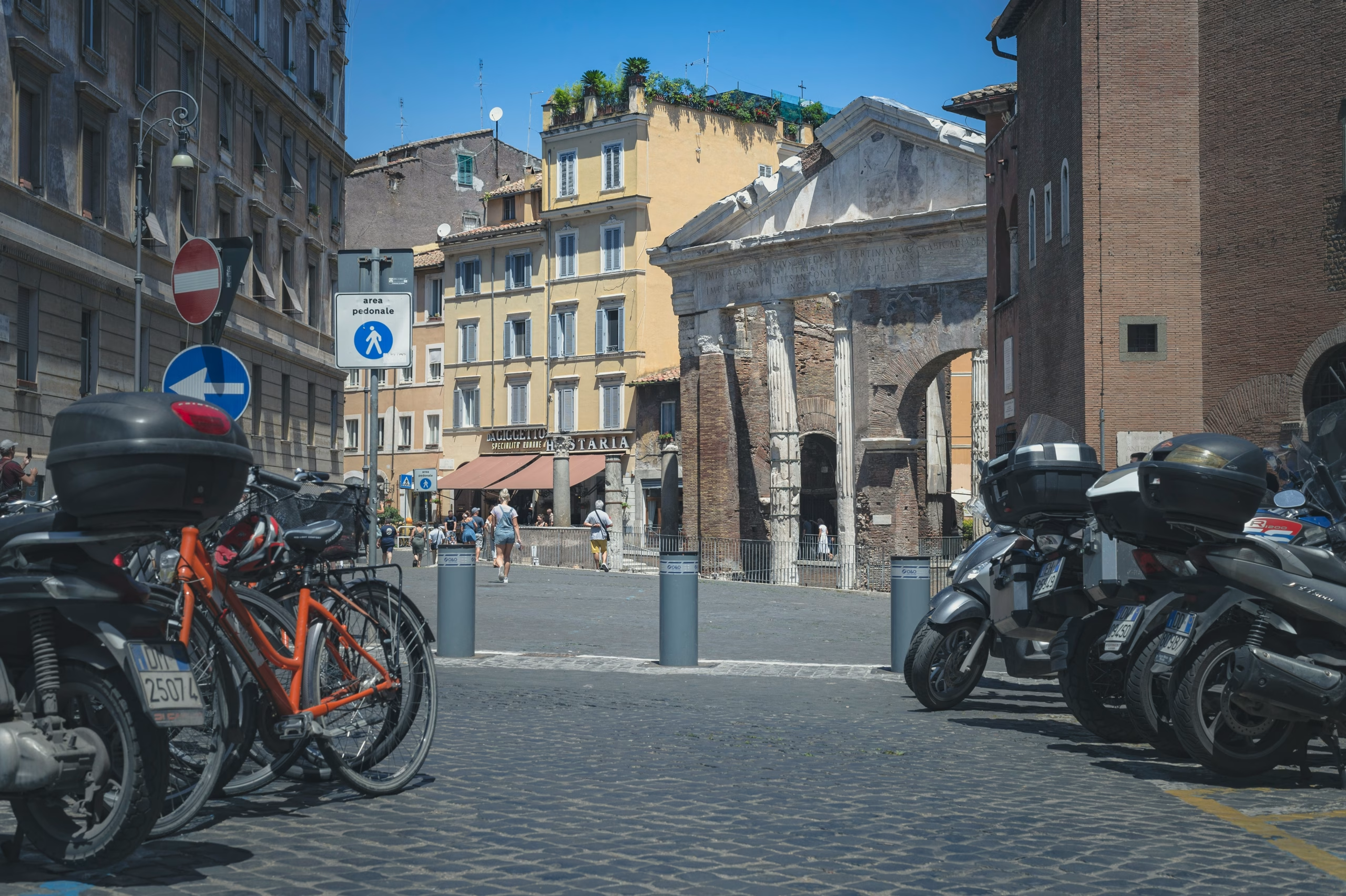
Finally, small junctions and hilltop corners around Via del Teatro di Marcello reveal layered vistas of temples, arches and medieval façades.
These views are not designed as formal belvederes, yet they capture the city’s essence with surprising clarity. Consequently, discovering them feels like unlocking fragments of Rome that only attentive travelers notice.
What are the best hidden gems in Rome for 2026?
Rome offers intimate spaces such as Villa Torlonia, Quartiere Coppedè, the Capitoline Museums and quiet corners on the Aventine. Moreover, these spots reveal the city beyond its iconic landmarks.
Are hidden gems in Rome easy to reach?
Yes. Most are within walkable districts or connected by simple public transport routes. As a result, you can explore them without complex planning.
Why visit the Capitoline Museums if they are not “unknown”?
Because many travelers skip them or rush through. Their masterpieces are displayed in thoughtful rooms that encourage slow observation. Consequently, the experience feels surprisingly intimate.
Is Trastevere still authentic for art lovers?
In the morning, absolutely. Artisan studios, medieval traces and small galleries reveal a quieter, more genuine side of the neighborhood.
Where can I find peaceful views in Rome?
Hidden terraces near Clivo di Rocca Savella and small paths like the Passeggiata del Gelsomino offer calm perspectives far from crowded belvederes.
Do I need to book anything to visit Rome’s hidden gems?
Only the Capitoline Museums require a ticket. Everything else can be explored freely, allowing you to follow your own rhythm.
Semi-private tours with expert guides — Colosseum, Vatican, Baroque Rome and more. Maximum 8 people per group.
Book Your Experience →