
Trip in Art
December 6, 2025
Planning three days in Rome itinerary 2025 – 2026 means embracing the city’s rhythm, from timeless masterpieces to intimate corners loved by locals.
In just a few days, Rome reveals layers of art, food traditions and stories that still shape daily life. Moreover, the city feels especially vibrant in 2025, with new openings and renewed cultural spaces. As a result, every day becomes a curated journey through heritage and contemporary creativity.
In this guide, you’ll find a balanced itinerary designed for travelers who want to experience Rome’s icons while discovering authentic neighborhoods and hidden gems.
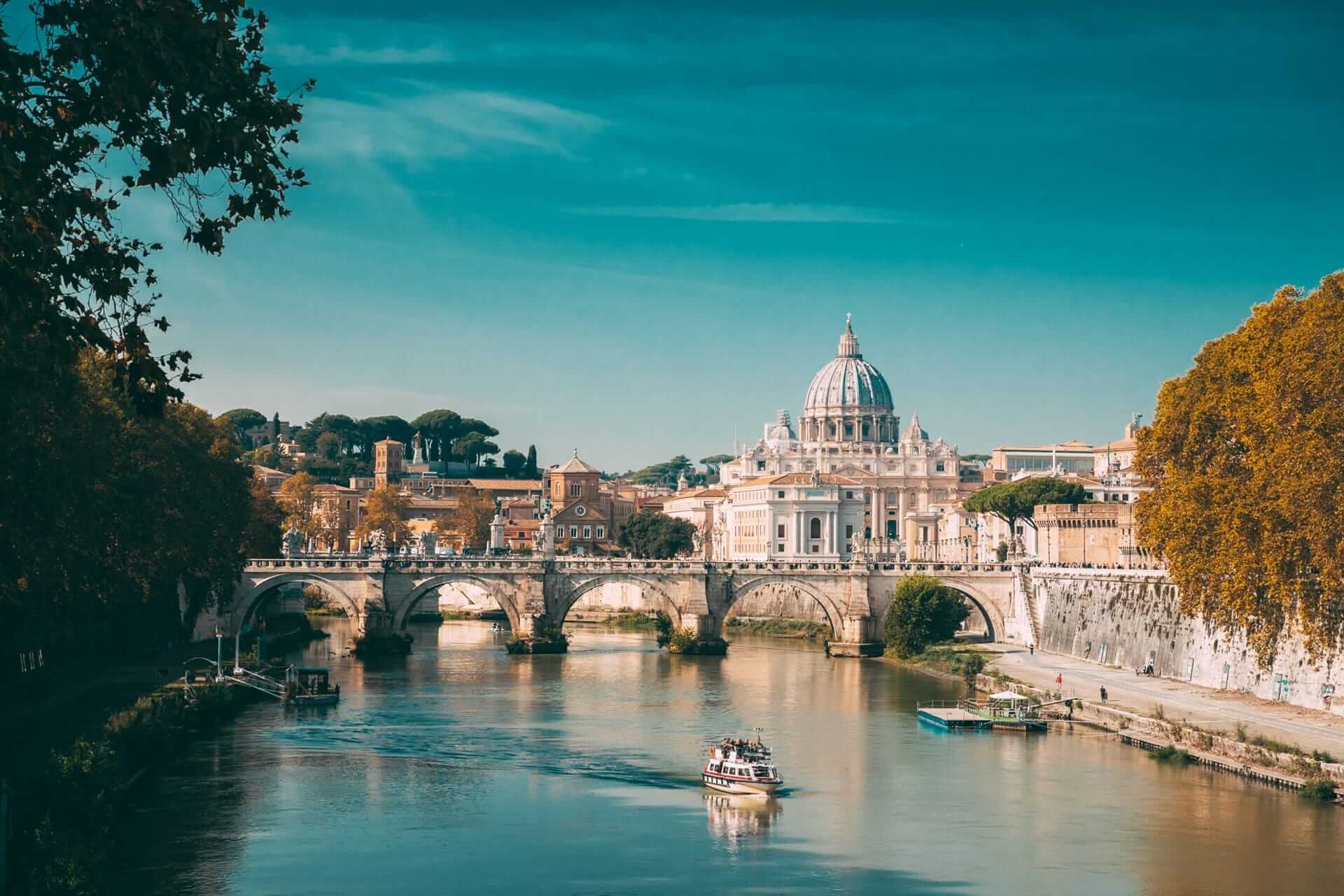
Your first day in Rome starts with the city’s icons, approached with a curated rhythm that leaves space for depth.
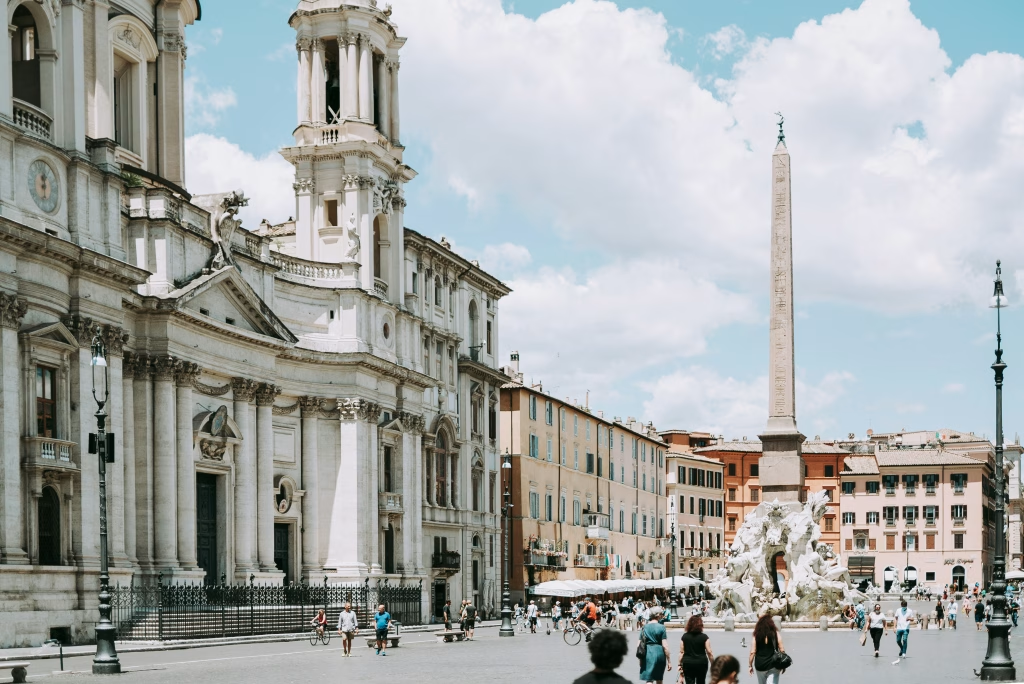
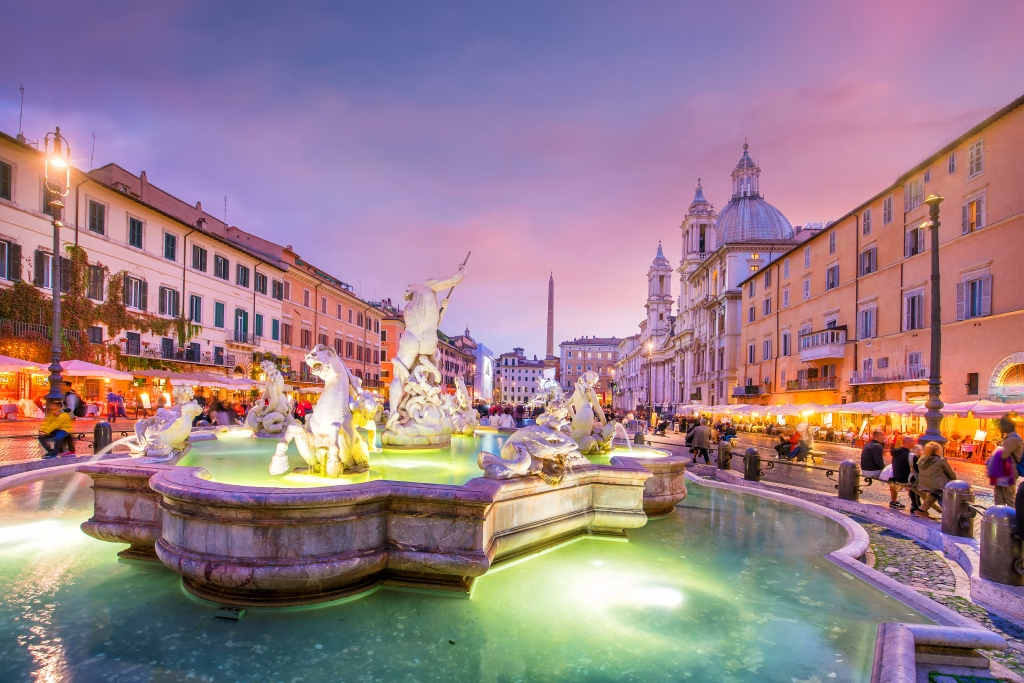
Begin at Piazza Navona, where Bernini’s Fountain of the Four Rivers introduces you to Rome’s Baroque energy.
From here, it’s an easy walk to the Pantheon, still one of the most powerful encounters with ancient engineering; arrive early to avoid long lines and enjoy the soft light filtering through the oculus.
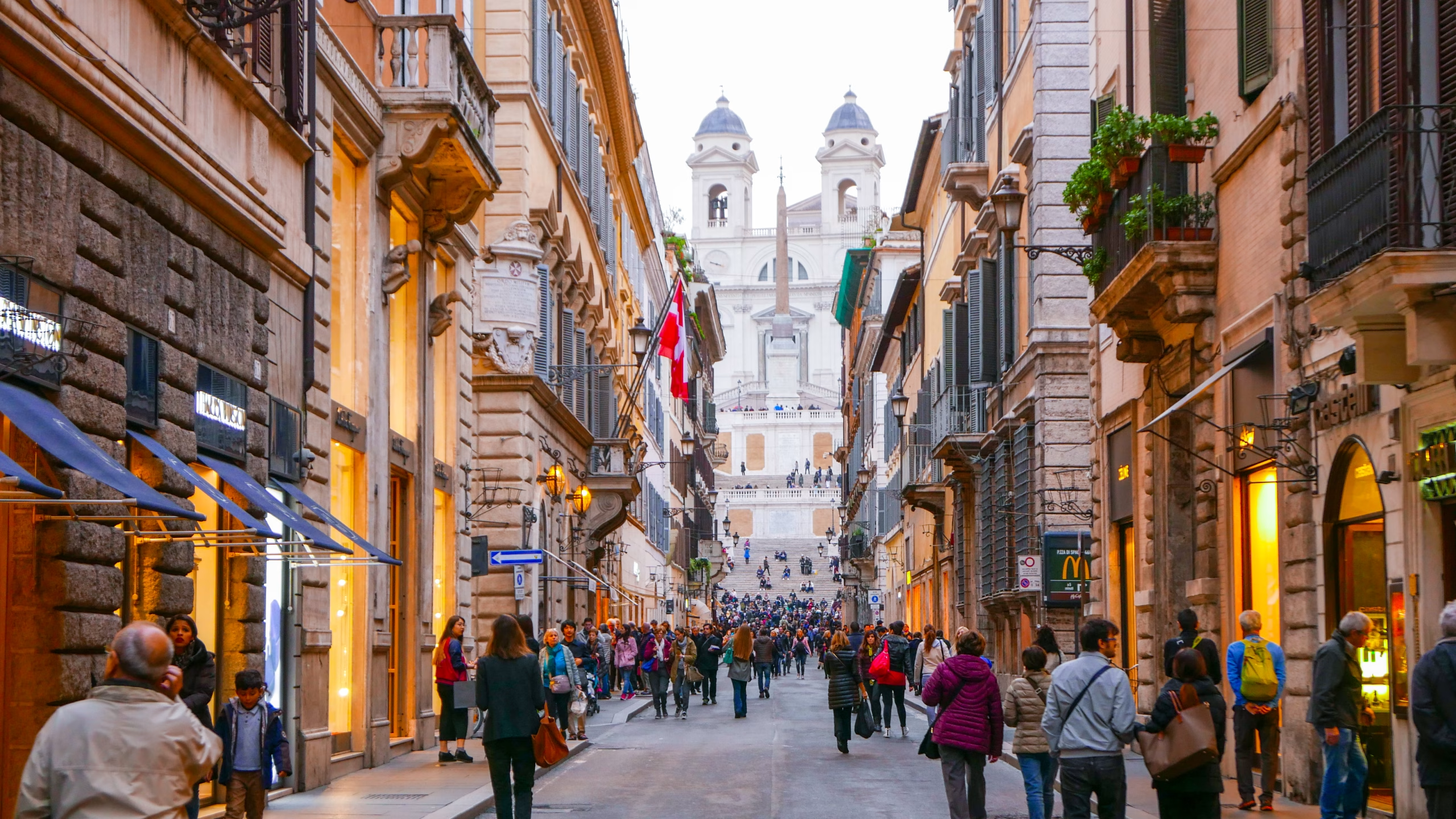
Continue towards Trevi Fountain, taking the quieter back streets to enjoy small artisan shops along the way. Moreover, this route helps you experience the historic center beyond its busiest corners. Afterwards, reach the Spanish Steps, climbing slowly for a first panoramic view of the rooftops.
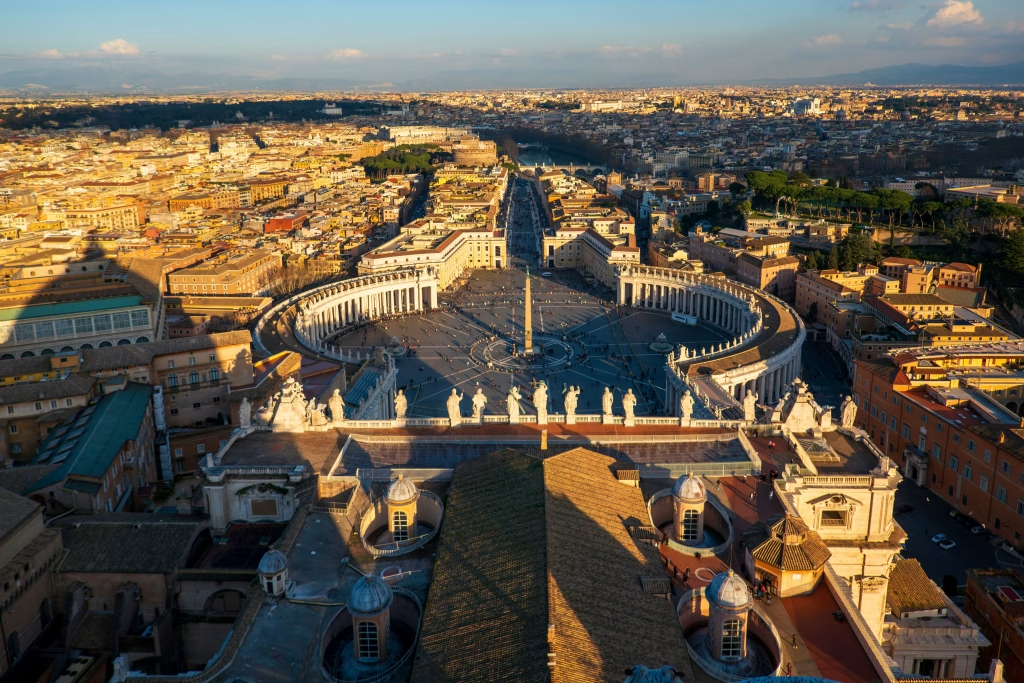
In the afternoon, dedicate time to the Vatican Museums.
Booking ahead is essential and entering after 2 pm usually offers a smoother flow.
The collection is vast, yet a focused path works best: the Gallery of Maps, the Raphael Rooms and the Sistine Chapel create a clear narrative that connects Renaissance art with the spiritual identity of the city.
As a result, you close the day with a sense of Rome’s monumental scale and its layered artistic legacy.
Finally, end your evening in nearby Borgo Pio, a small district with narrow streets, warm trattorias and a more local pace—ideal after a day of masterpieces
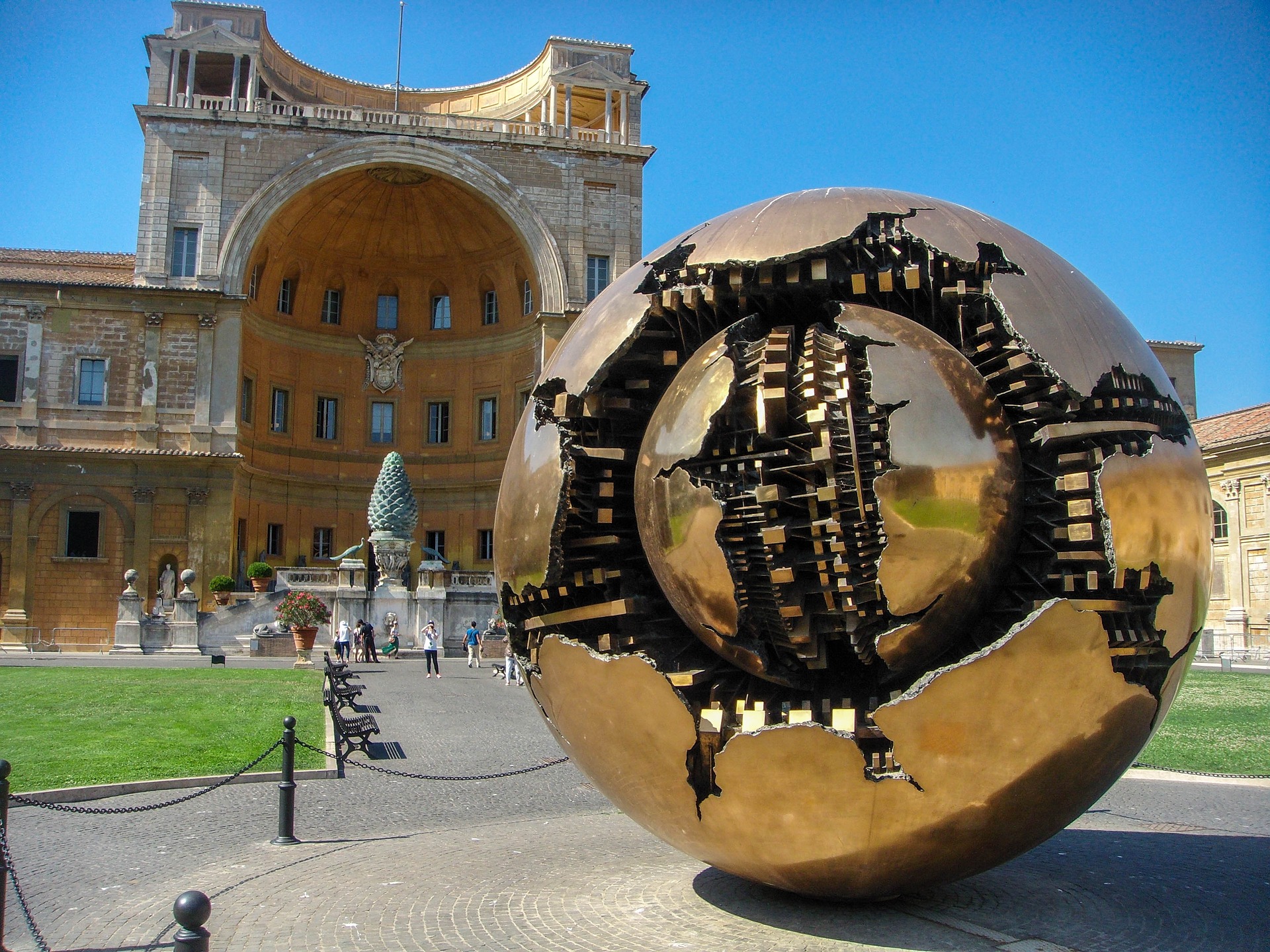
Your second day in Rome focuses on neighborhoods where daily life sets the rhythm.
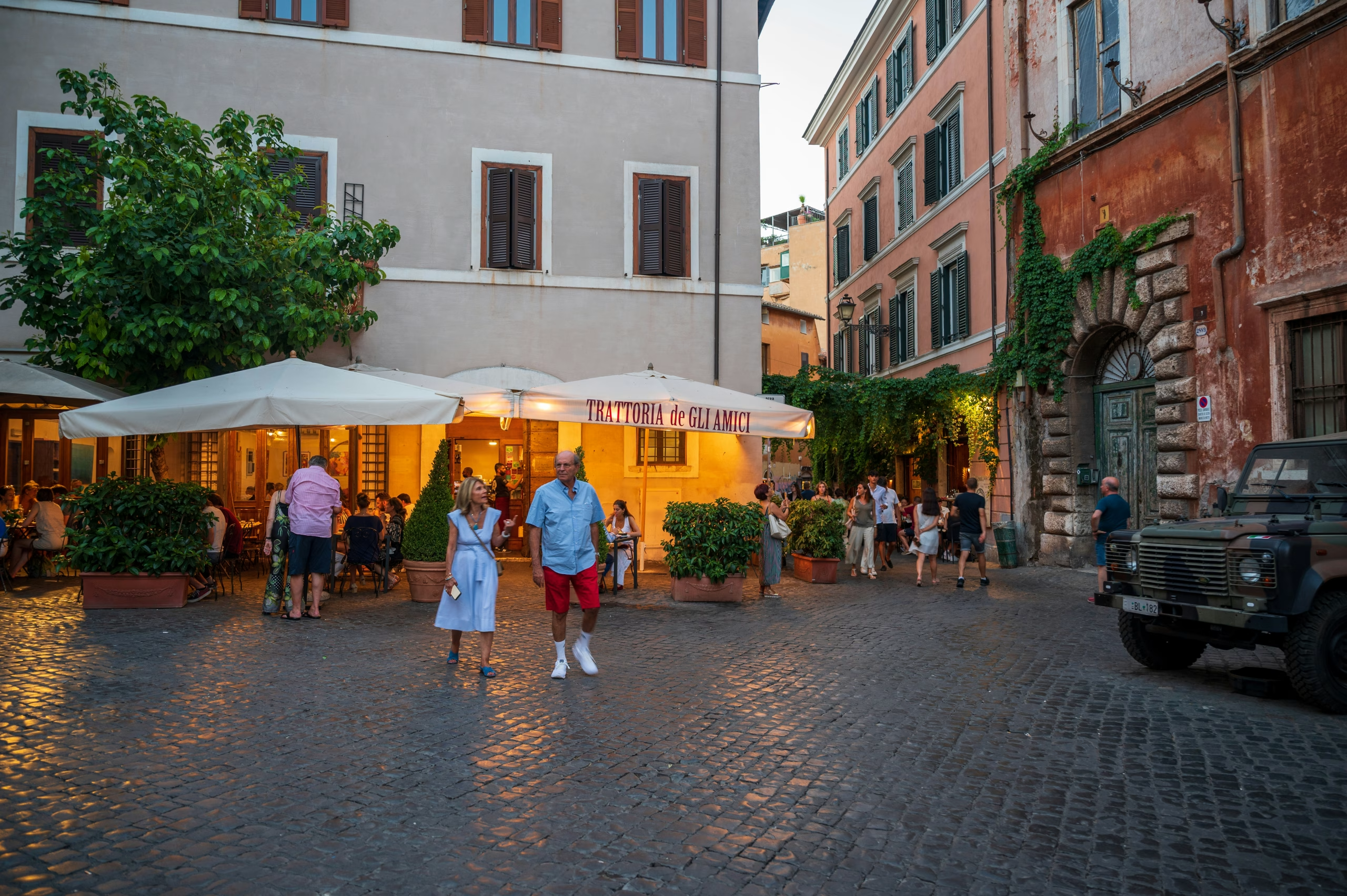
Start in Trastevere, exploring its early-morning calm before the streets fill with cafés and small markets. Wander through Piazza di Santa Maria in Trastevere, then continue towards the quieter alleys near Via della Lungaretta; here, the mix of artisans and family-run bakeries offers a first taste of local traditions.
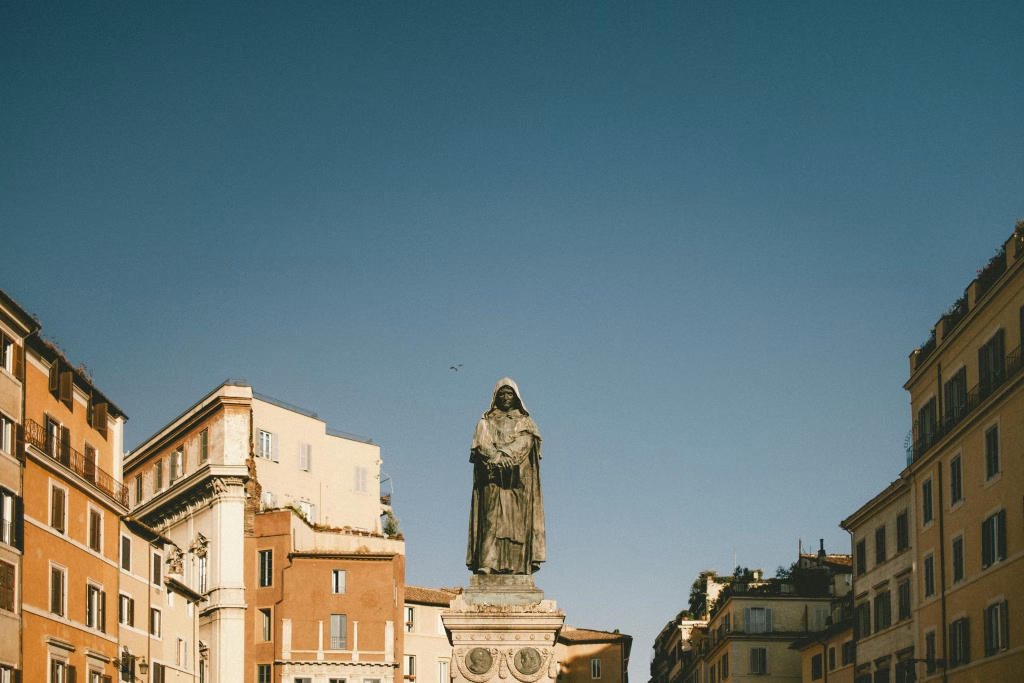
Cross the river to Campo de’ Fiori, visiting the market while vendors arrange seasonal produce. Moreover, this area reveals Rome’s food culture through its colors and sounds.
For a deeper cultural break, walk to Palazzo Farnese and admire its monumental façade from the outside—an elegant contrast to the lively square.
In the afternoon, move towards Testaccio, a district known for genuine Roman cuisine and a strong sense of community.
As a result, it’s one of the best places to understand the city beyond iconic monuments.
Explore Mercato Testaccio for quick tastings, then follow the tree-lined streets to the Monte dei Cocci, where ancient history hides in plain sight.
Finally, enjoy dinner in Testaccio: traditional trattorias balance comforting flavors with a relaxed atmosphere, making it the ideal close to a day dedicated to local life and food.
Your third day reveals a different Rome, where quiet corners and contemporary spaces create a more intimate perspective.
Begin at Villa Torlonia, a refined park dotted with elegant villas and unexpected artistic details. Moreover, the Casina delle Civette offers a surprising mix of stained glass, symbolism and Art Nouveau—an atmosphere far from the classic touristic routes.
Continue towards Quartiere Coppedè, a small district where arches, towers and mosaics form one of Rome’s most imaginative architectural ensembles.
As a result, the area feels almost cinematic, perfect for slow exploration and photography.
In the afternoon, shift to Rome’s contemporary scene at MAXXI – Museo nazionale delle arti del XXI secolo.
Designed by Zaha Hadid, the museum showcases rotating exhibitions that highlight global creativity and Italy’s role in modern culture. Furthermore, the surrounding district of Flaminio is evolving rapidly, with design studios, cafés and cultural hubs shaping a new urban identity.
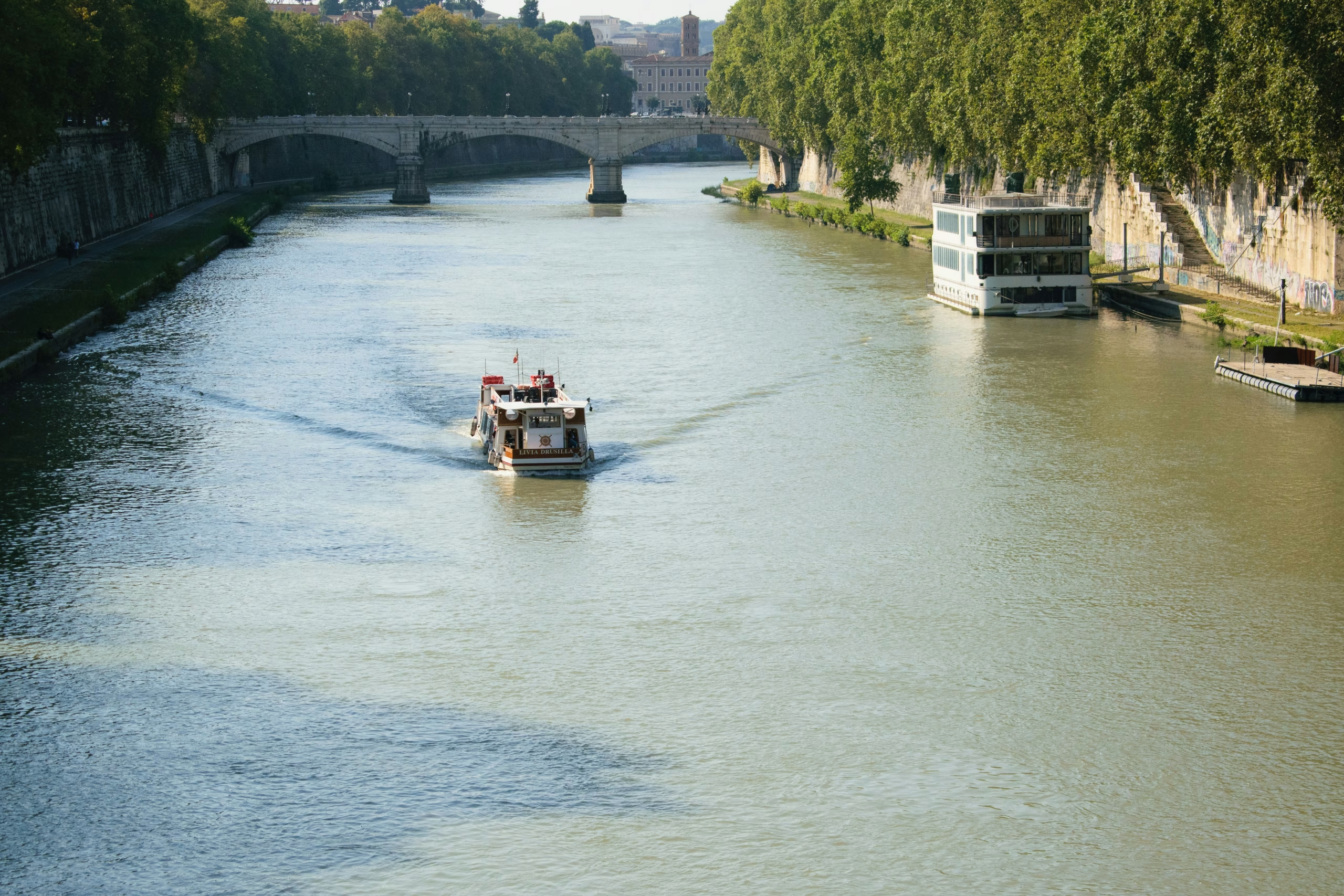
End your day along the Tiber River, choosing a peaceful sunset walk or a drink in the vibrant Piazza del Popolo area.
This final moment ties the whole itinerary together, balancing heritage, hidden gems and contemporary viewpoints.
Planning 3 days in Rome becomes easier with a few practical strategies.
First, choose accommodation in central neighborhoods like Monti, Tridente or Trastevere; this reduces transfers and allows you to walk between major sites.
Moreover, booking museum tickets in advance is essential, especially for the Vatican Museums and the Colosseum area.
Public transport is efficient for medium distances.
Metro lines A and B connect most key points, while trams work well for districts such as Trastevere and Flaminio.
As a result, moving around the city stays quick and intuitive. Taxis and ride apps are reliable, although traffic can be intense during peak hours.
When it comes to timing, start early.
Morning light enhances monuments, and streets feel more relaxed. Furthermore, keeping afternoons flexible helps you adapt to crowds, weather or spontaneous discoveries.
Finally, remember that Rome rewards slow exploration. Comfortable shoes, a reusable water bottle and a bit of curiosity make every walk richer and more enjoyable.
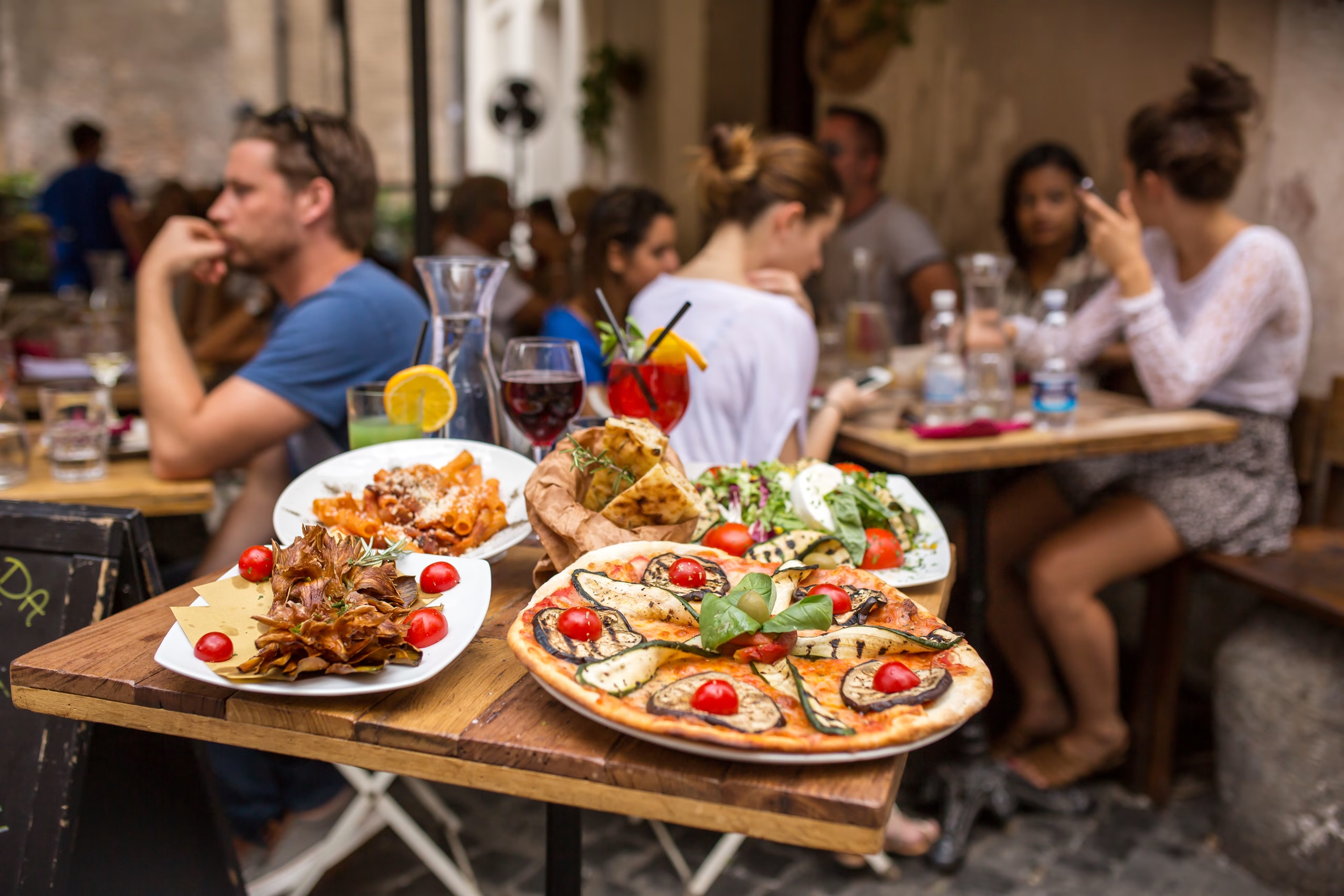
Rome’s food scene balances tradition and contemporary creativity, offering memorable stops across all three days.
For breakfast, choose small artisan cafés in Monti or Trastevere, where pastries and espresso set an authentic tone.
Moreover, these areas stay relaxed in the early hours, making them ideal before long walks.
At lunch, opt for local trattorias that keep menus seasonal. Places in Testaccio, Campo de’ Fiori or the Jewish Ghetto serve dishes rooted in Roman heritage, from cacio e pepe to carciofi alla giudia.
As a result, you enjoy flavors that genuinely reflect the city’s identity.
Dinner is the moment to slow down. Contemporary osterias in Prati or the Flaminio district reinterpret classic recipes with lighter touches and elegant presentations.
Furthermore, wine bars scattered across the historic center offer curated selections of Lazio producers, perfect for a final toast after a full day of art and exploration.
Wherever you choose to dine, prioritize small, independent places.
They provide warmth, character and the kind of hospitality that makes each meal part of the journey.
How many days do you need in Rome?
Three days offer a balanced introduction to Rome’s major sites, local neighborhoods and contemporary culture. Moreover, the city is compact enough to explore efficiently on foot.
Is Rome walkable for a 3-day itinerary?
Yes. Most historic areas are pedestrian-friendly. As a result, you can move smoothly between landmarks, cafés and museums without relying heavily on transport.
What is the best time to visit Rome in 2025–2026?
Spring and autumn provide mild weather and comfortable crowds. However, winter weekends can also be pleasant, especially for museum visits and food experiences.
Do I need to book tickets in advance?
Absolutely. The Vatican Museums and the Colosseum require advance reservations. Moreover, booking ahead helps you manage timing and avoid long queues.
Where should I stay for a 3-day trip?
Monti, Trastevere and the Tridente area offer central locations with easy access to major sites. Furthermore, these neighborhoods provide a good mix of culture, dining and transport options.
Is public transport useful for short stays?
Yes. The metro connects key districts, while trams are ideal for Trastevere and Flaminio. As a result, you move quickly even during busy hours.
Semi-private tours with expert guides — Colosseum, Vatican, Baroque Rome and more. Maximum 8 people per group.
Book Your Experience →