
Trip in Art
December 2, 2025
Exploring the hidden gems of Rome means going beyond the classic postcard image and entering neighborhoods where daily life shapes the city’s real identity.
These areas reveal Rome’s quieter rhythms, authentic food spots and overlooked corners that often escape traditional itineraries.
Moreover, they offer a more intimate connection with the city, allowing visitors to experience its layers without the pressure of crowds. In addition, wandering through these districts helps travelers understand how Romans truly live, work and share their spaces.
Many of these hidden places sit just a few streets away from the main attractions, yet they feel like different worlds.
Small workshops, independent cafés, local markets and unexpected architecture create a richer, more grounded perspective.
Consequently, walking becomes the best way to explore them. It slows the pace and opens the door to details that cars or buses would easily miss.
This guide presents the neighborhoods and local spots that define Rome’s authentic side in 2025, combining culture, food, community and strolling routes that highlight the city’s quieter beauty.
As a result, visitors leave with experiences that feel personal, meaningful and rooted in the Rome that locals know best.
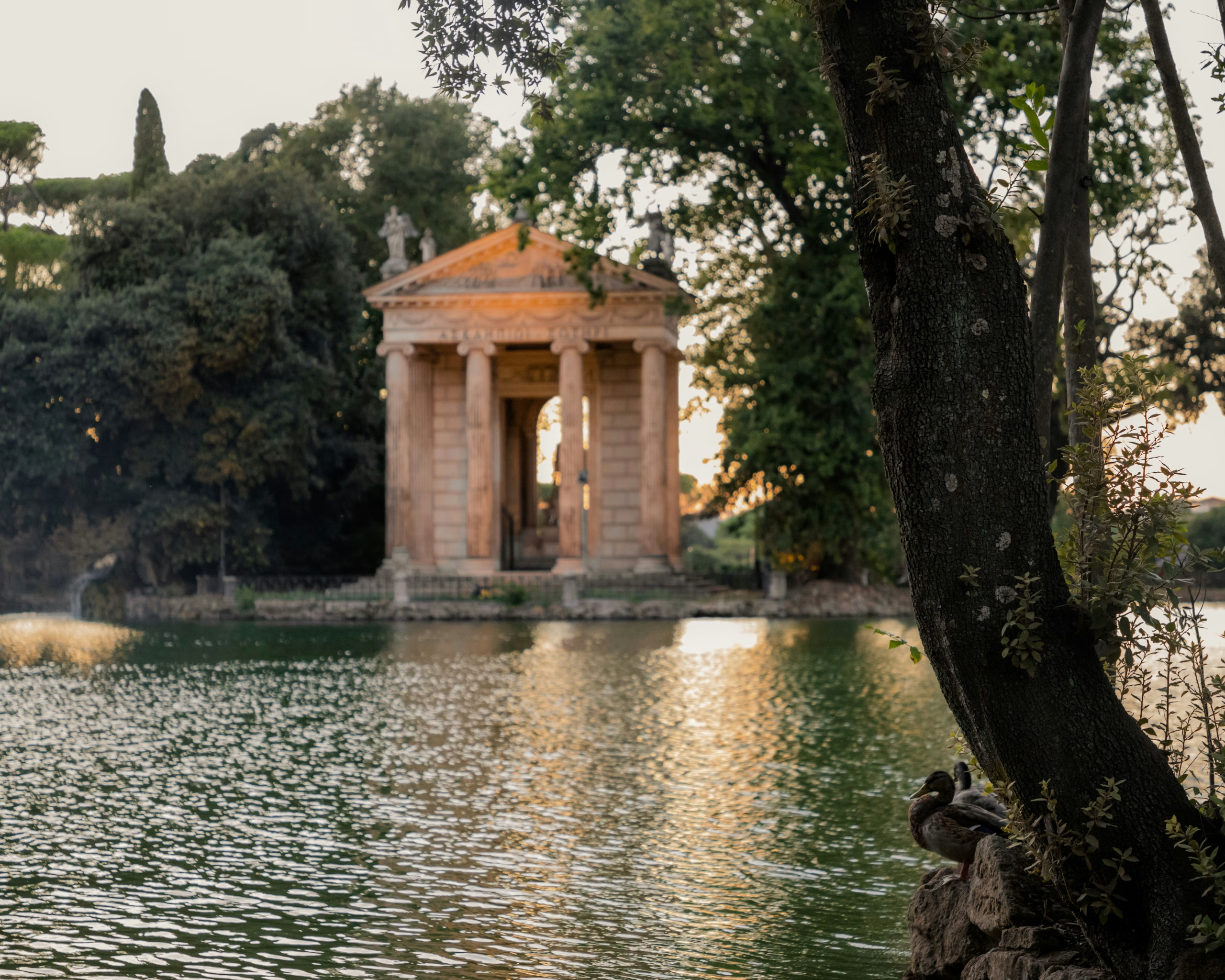
Discovering Rome’s hidden gems offers a deeper, more authentic way to experience the city.
Major landmarks remain extraordinary, yet they attract large crowds that can shape the rhythm of a visit.
Consequently, exploring quieter neighborhoods allows travelers to enjoy Rome with space, calm and a stronger sense of connection. Moreover, these areas reveal daily life, traditions and stories that often stay outside the classic itineraries.
In addition, interest in genuine, local travel continues to grow.
Visitors look for small cafés, independent shops, open-air markets and artistic corners where the city expresses its real character. Walking becomes the ideal way to reach these places, as it encourages a slower pace and makes room for spontaneous discoveries.
Meanwhile, digital maps and improved public transport make hidden districts easier to access than ever before.
Exploring lesser-known spots also supports local communities.
Many neighborhood businesses depend on visitors who choose to move beyond the main routes.
As a result, discovering Rome’s quieter sides becomes both a rewarding cultural experience and a conscious way to contribute to the city’s identity.
Travelers leave with impressions that feel personal, meaningful and truly Roman.
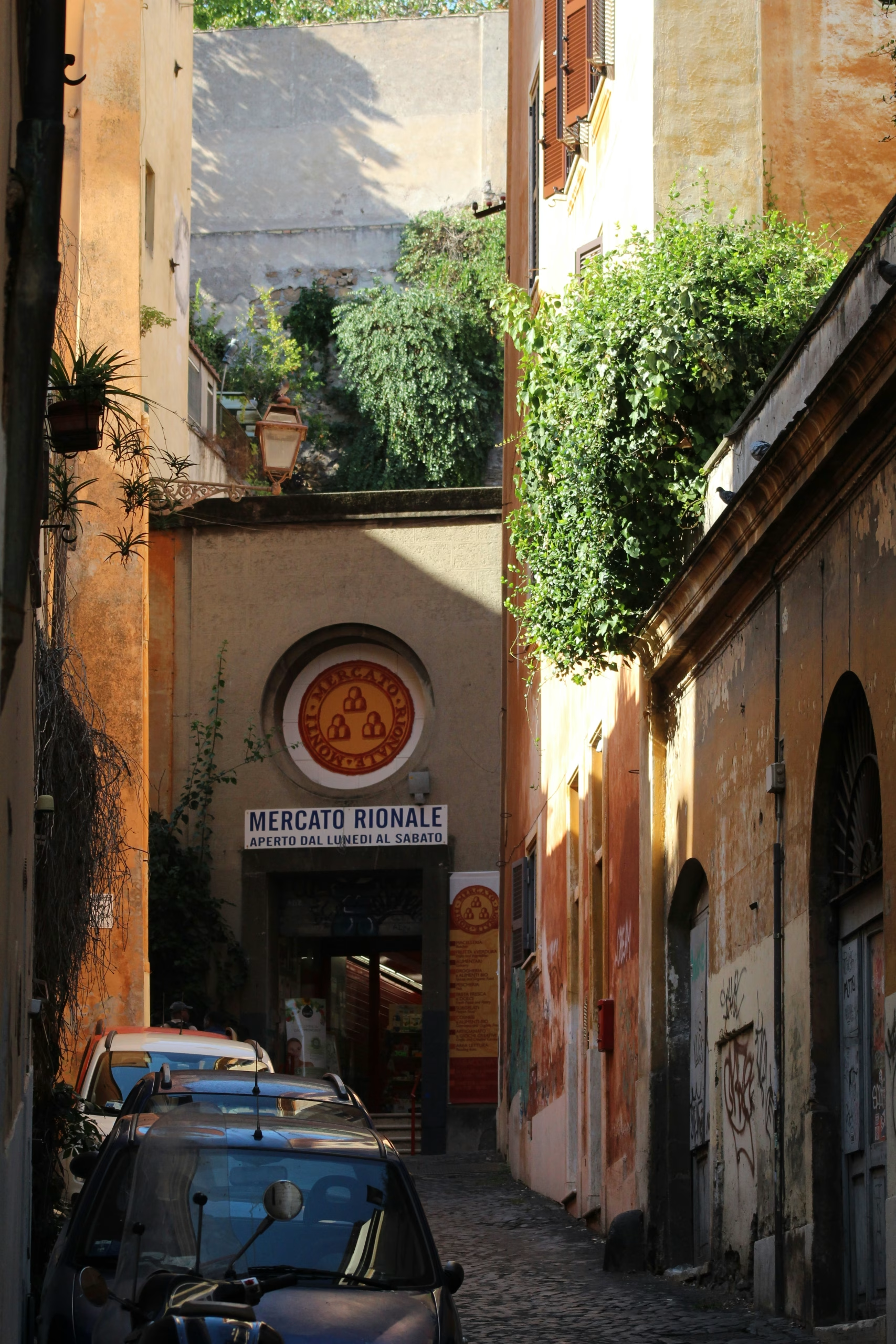
Monti is one of Rome’s most distinctive neighborhoods, a place where ancient streets blend with contemporary energy.
Its narrow lanes, artisan workshops and independent boutiques create an atmosphere that feels both local and effortlessly stylish.
Moreover, the area remains close to major landmarks while offering a quieter rhythm, making it an ideal starting point for anyone seeking hidden gems.
In addition, Monti’s café culture adds warmth to every walk.
Small coffee bars, wine shops and bakeries line the streets, inviting visitors to pause and observe the flow of daily life. Meanwhile, local designers and vintage shops give the neighborhood a creative identity that sets it apart from more commercial districts.
This combination of history and modernity makes Monti perfect for relaxed exploration.
Via Urbana and Via del Boschetto form the heart of the neighborhood, each filled with small restaurants and craft stores.
Consequently, walking through Monti becomes a continuous sequence of surprises: murals tucked between buildings, quiet courtyards and views of the Suburra’s ancient layers.
As a result, the area offers a curated, intimate version of Rome that appeals to travelers who enjoy culture, design and authenticity without leaving the city center.
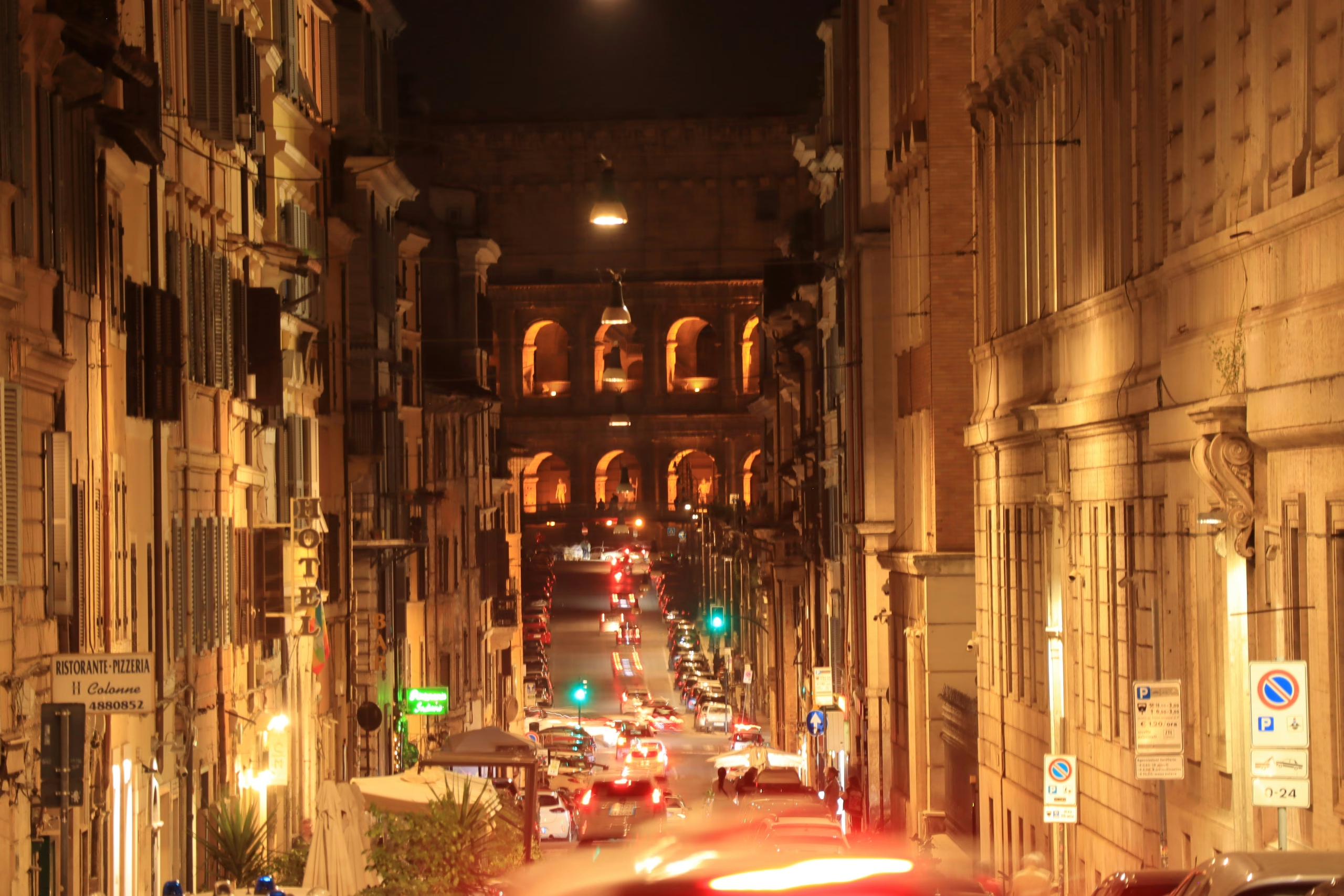
Testaccio embodies the soul of everyday Rome.
The neighborhood grew around its historic market and working-class roots, creating a strong identity that still defines the area today.
Walking through its streets reveals a community that values tradition, simplicity and genuine flavors.
Moreover, Testaccio remains one of the best places to understand how Romans eat, shop and gather.
In addition, the neighborhood is filled with trattorias, bakeries and family-run shops that preserve recipes and techniques passed down through generations.
The Mercato di Testaccio stands at the center of this culture. Here, visitors find fresh produce, street food stalls and artisans who represent the neighborhood’s authentic spirit.
Meanwhile, contemporary spots continue to open around the market, blending tradition with modern creativity.
Testaccio also offers quiet corners, street art and unexpected viewpoints over the Tiber.
Its mix of food, culture and community creates a warm, welcoming environment that feels real and unfiltered. Consequently, exploring the area on foot becomes an engaging experience that connects travelers with the city’s daily rhythm.
As a result, Testaccio remains a must-see for anyone searching for hidden gems rooted in Roman life.
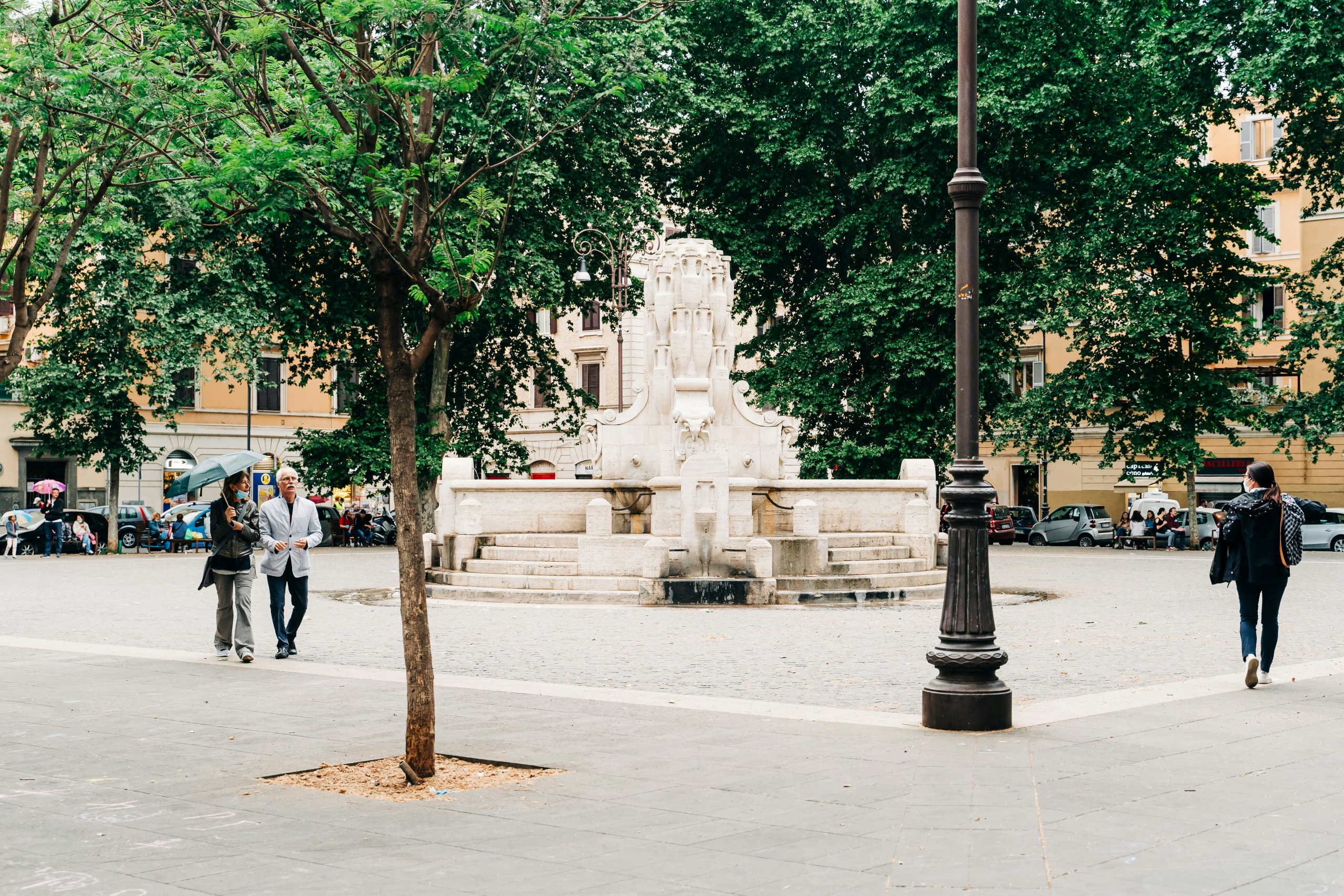
Garbatella is one of Rome’s most captivating hidden neighborhoods, a place where architecture and community life create an atmosphere unlike anywhere else in the city.
Designed in the early 20th century, it features garden courtyards, decorative façades and winding streets that feel almost theatrical. Moreover, every corner reveals a mix of history and lived-in charm, making it ideal for slow, thoughtful exploration.
In addition, Garbatella maintains a strong sense of identity. Residents greet each other in the piazzette, local bars open early and small shops remain at the heart of daily routines.
This rhythm gives visitors a chance to observe authentic Roman life without the distractions typical of more central districts.
Meanwhile, murals and creative spaces add contemporary touches that enrich the neighborhood’s character.
Walking through Garbatella offers continuous discoveries.
From the iconic Lotti buildings to the quiet gardens and scenic steps, the area invites visitors to wander without a fixed plan. Consequently, the neighborhood becomes a perfect example of Rome’s ability to combine beauty, community and storytelling in a single place.
As a result, Garbatella stands out as one of the most rewarding districts for travelers seeking culture, atmosphere and a true local perspective.
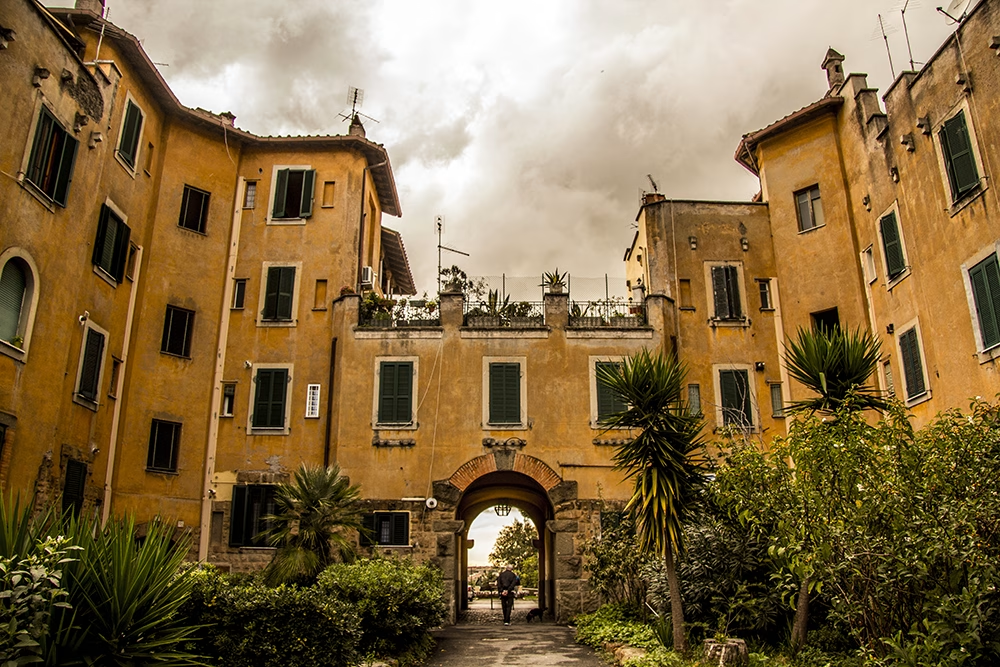
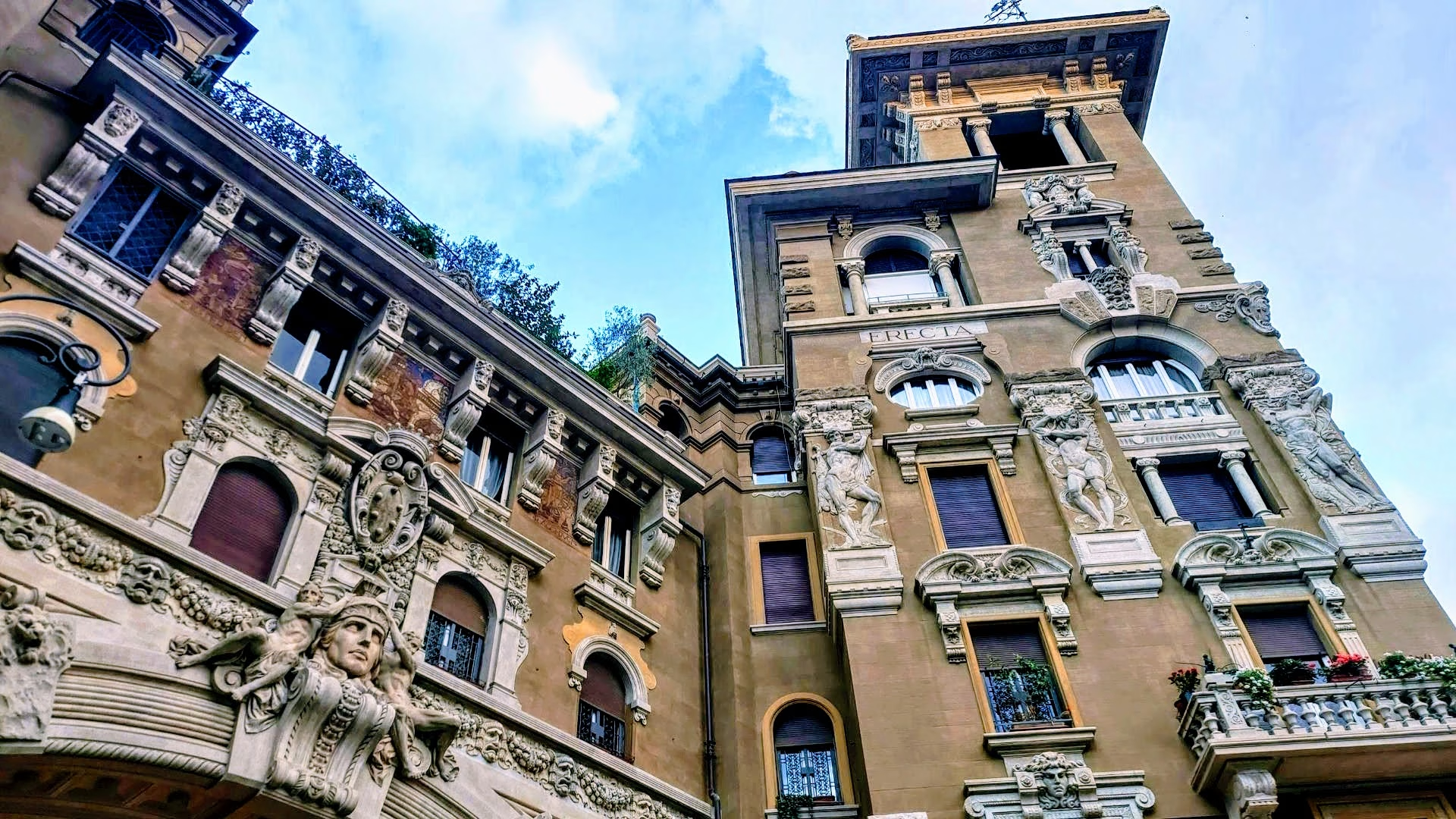
The Quartiere Coppedè is one of Rome’s most enchanting hidden treasures, a place where architecture becomes storytelling.
Designed in the early 20th century by Gino Coppedè, the neighborhood mixes Liberty, medieval, Baroque and even Gothic elements in a way that feels almost cinematic.
Moreover, its quiet residential streets create an atmosphere far removed from the city’s usual intensity.
The entrance arch on Via Dora sets the tone: elaborate details, sculpted symbols and an immediate sense of wonder.
In addition, the central Piazza Mincio with its Fountain of the Frogs offers a peaceful, almost surreal setting. The combination of unusual styles invites visitors to slow down and observe the craftsmanship embedded in every façade.
Meanwhile, the absence of crowds makes the area ideal for photography and leisurely exploration.
Coppedè is small, but its impact is strong. Each corner reveals mosaics, stained-glass windows and decorative flourishes that turn a simple walk into a discovery of Rome’s most imaginative side.
Consequently, the neighborhood becomes one of the city’s most compelling hidden gems for travelers interested in design, architecture and unexpected beauty.
As a result, visiting Coppedè adds a unique and dreamlike dimension to any Roman itinerary.
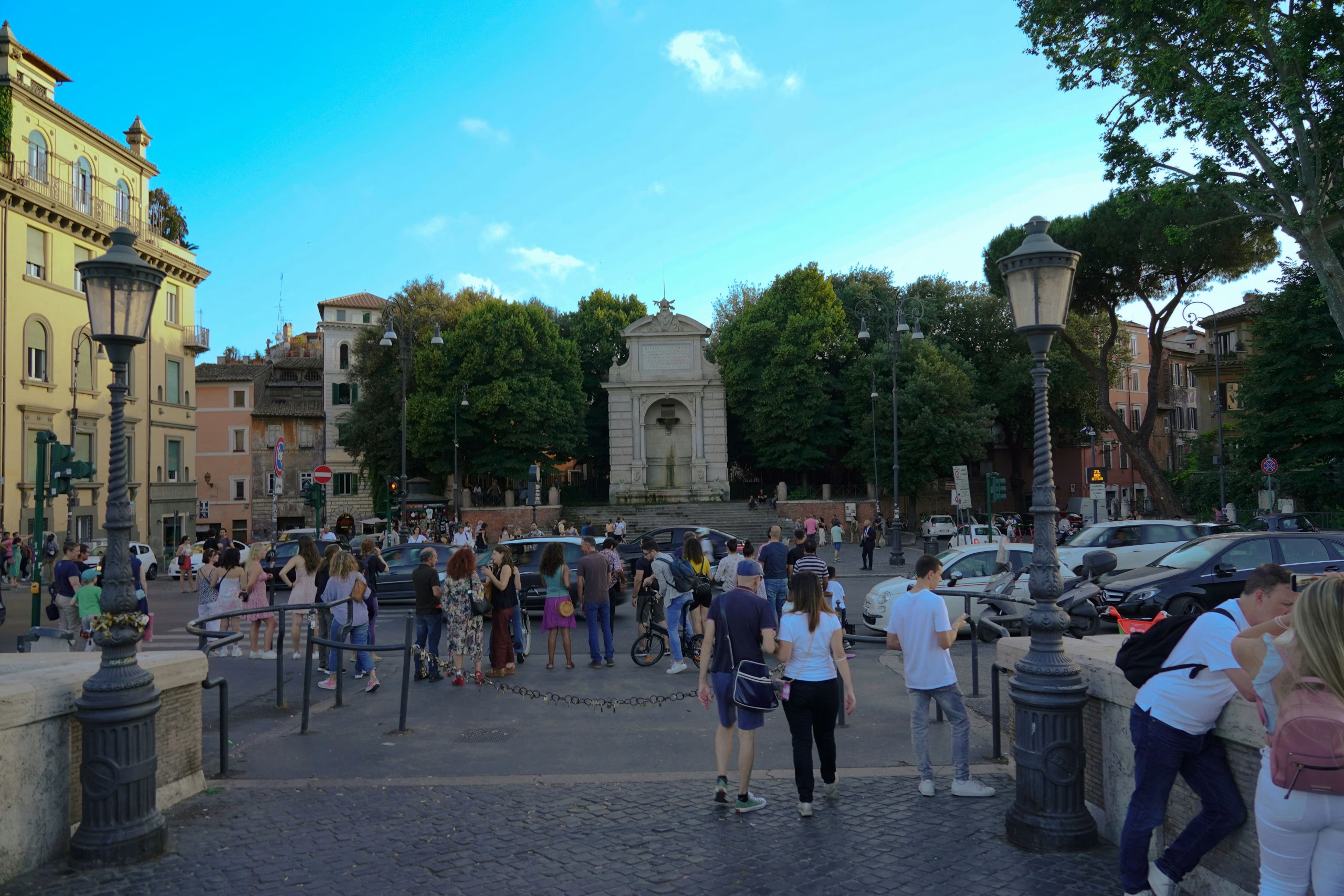
Trastevere is often associated with lively evenings and busy trattorias, yet the neighborhood hides a quieter, more intimate side that many visitors never see.
Exploring it early in the morning or moving away from the main squares reveals cobblestone lanes, small courtyards and unexpected viewpoints. Moreover, these calmer routes show a version of Trastevere rooted in tradition and local life rather than nightlife.
In addition, several areas remain pleasantly peaceful throughout the day.
Streets around Via della Lungara and the paths leading toward the Botanical Garden offer a slower rhythm and beautiful light filtering between historic façades.
Meanwhile, independent cafés and artisan workshops tucked into side alleys give the neighborhood a refined, almost village-like mood that feels far from the crowds.
Crossing the small bridges toward the Isola Tiberina also provides scenic, uncrowded walks along the river.
Consequently, this part of Trastevere becomes ideal for travelers who want atmosphere without chaos. It preserves the charm that made the neighborhood famous while offering a more balanced, authentic experience.
As a result, exploring Trastevere beyond the usual routes reveals one of Rome’s most enchanting hidden sides.
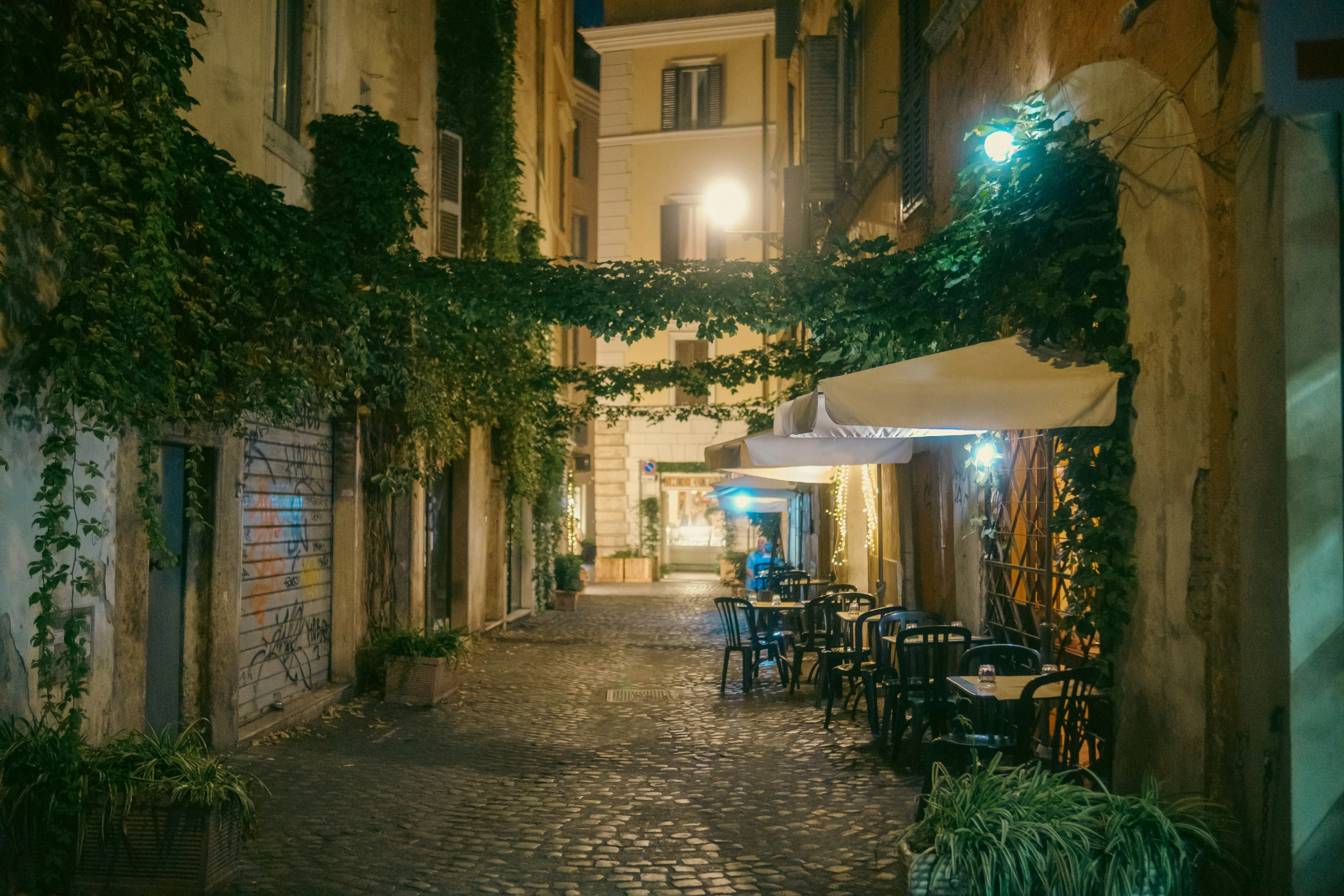
Walking remains the best way to discover Rome’s hidden gems.
The city’s smaller streets, quiet courtyards and unexpected viewpoints often appear only when you slow down and move away from main routes.
Moreover, walking allows travelers to absorb the atmosphere of each neighborhood, noticing details that cars or public transport would easily miss.
This simple approach turns exploration into a more personal and engaging experience.
In addition, planning a route that mixes known landmarks with lesser-known streets helps balance orientation and discovery.
Starting near a central point and gradually drifting toward residential areas reveals a more authentic side of the city.
Meanwhile, stopping at cafés, markets and small shops along the way creates natural breaks that connect visitors with local life.
Using digital maps can help, but leaving room for spontaneity is equally important.
Rome’s charm often emerges when you take a turn without knowing exactly where it leads. Consequently, walking tours—whether guided or self-guided—become a powerful tool to understand the city’s layers.
As a result, exploring on foot transforms a simple itinerary into a richer journey, filled with texture, atmosphere and genuine Roman character.
1) What are the best hidden neighborhoods to explore in Rome?
Monti, Testaccio, Garbatella, Trastevere’s quiet backstreets and the Quartiere Coppedè offer authentic atmospheres away from crowded areas. Moreover, each district has its own character, making them ideal for travelers who want a more local experience.
2) Is it easy to explore Rome’s hidden gems on foot?
Yes. Many lesser-known areas are walkable and close to central districts. In addition, quieter streets and residential corners reveal details that public transport often hides. Consequently, walking becomes the most rewarding way to discover Rome’s authentic side.
3) Are these neighborhoods safe for visitors?
Generally yes. These areas are lived-in, active and well connected. However, as in any large city, staying aware of surroundings and sticking to lit streets at night is advisable. Moreover, daytime exploration offers the most relaxed experience.
4) Does Rome offer guided tours focused on hidden gems?
Absolutely. Several walking tours highlight local neighborhoods, artisan shops and secret corners. In addition, choosing a guide who knows the city well helps uncover stories and cultural details that aren’t visible at first glance.
5) What makes hidden neighborhoods different from tourist areas?
They reflect everyday Roman life. Smaller cafés, independent shops and quiet courtyards create a more intimate atmosphere. Consequently, these districts allow travelers to connect with the city’s personality beyond the classic landmarks.
Semi-private tours with expert guides — Colosseum, Vatican, Baroque Rome and more. Maximum 8 people per group.
Book Your Experience →