Trip in Art
November 30, 2025
There are many things to do in Rome in January, and what surprises most travelers is how peaceful and atmospheric the city becomes after the holidays.
December’s rush fades quickly, leaving Rome quiet, spacious and beautifully walkable. Moreover, January brings a clarity to the air that sharpens views, highlights textures on monuments and turns simple strolls into scenic winter experiences.
As a result, this month is one of the best for slow travel, photography and authentic local moments.
Crowds are at their lowest, especially in the first three weeks. This means shorter lines at major landmarks, easier museum visits and more freedom to explore neighborhoods without pressure.
Meanwhile, cafés, wine bars and small restaurants offer a warm refuge between one walk and the next, creating the perfect rhythm for winter days.
In addition, January prices for flights and accommodation are often far better than in autumn or spring, which makes the experience even more appealing.
Ultimately, January reveals a Rome that locals love — calm mornings, glowing evenings and a gentle winter atmosphere that invites you to explore without rush. It’s the ideal month to discover the city through quiet landmarks, cozy spots and seasonal events that feel genuinely authentic.
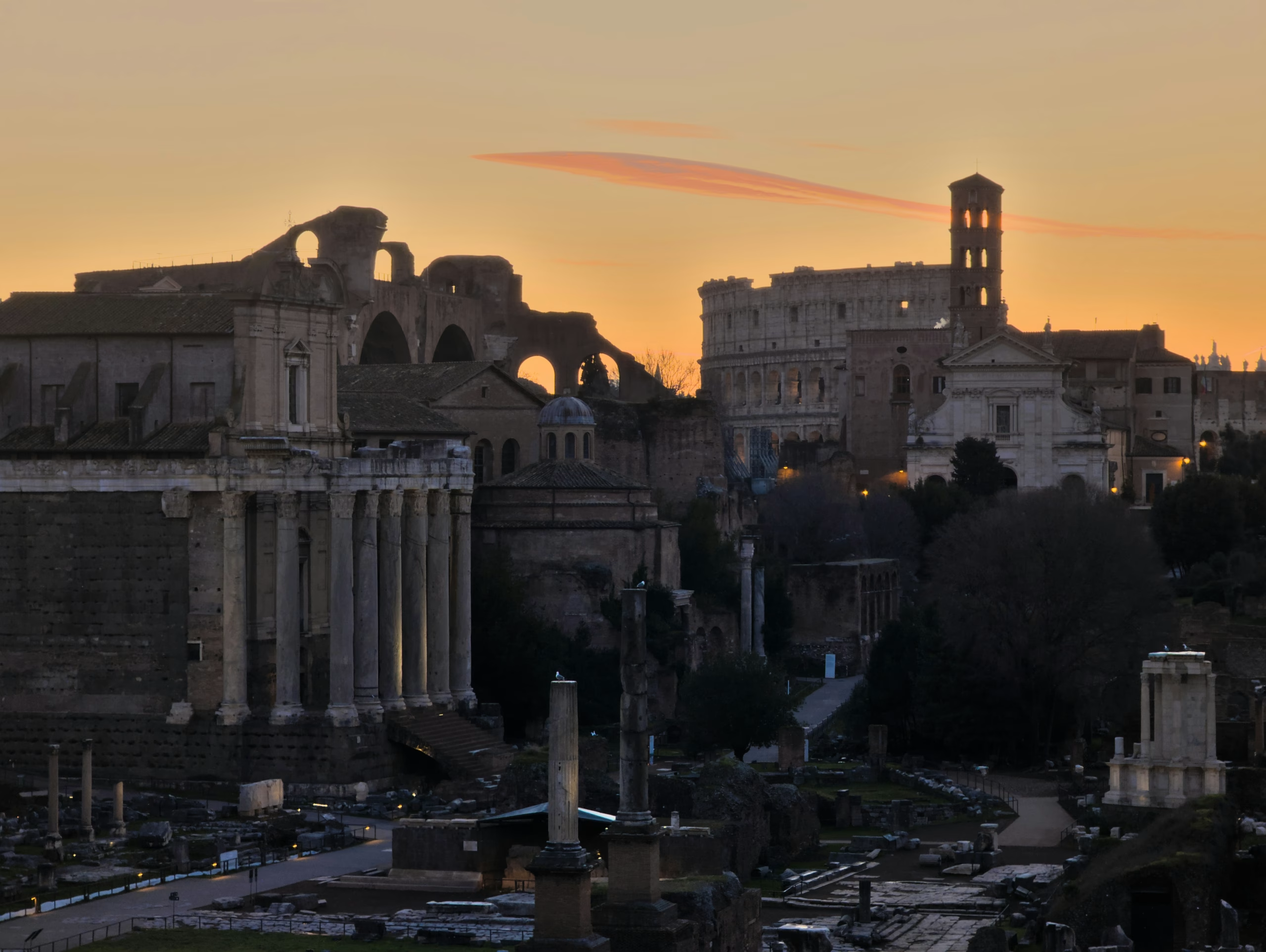
January brings one of the most comfortable winter climates in Rome.
Days are cool but rarely cold, with average temperatures around 8–12°C. Moreover, the air is crisp, which makes monuments and skyline views look sharper than in November or early December.
As a result, walks feel pleasant throughout the day, especially in the late morning and early afternoon.
Nights are cooler, of course, but still manageable with a light jacket, scarf and good shoes.
Rain is possible but not constant, January usually alternates clear, dry days with short showers that disappear quickly. Meanwhile, humidity stays lower than in autumn, which helps make the weather feel fresher rather than heavy.
Consequently, outdoor activities, scenic walks and viewpoint stops remain easy and enjoyable.
Sunset comes early, around 5 pm. This creates a natural rhythm for exploring: daylight for landmarks and panoramic spots; early evening for cozy cafés, warm restaurants and quiet city views.
In addition, early sunsets mean you can experience Rome’s night atmosphere without staying out late, which is ideal for families and slow travelers.
Overall, January weather is mild, walkable and far better than many visitors expect — a perfect match for winter itineraries and peaceful city days.
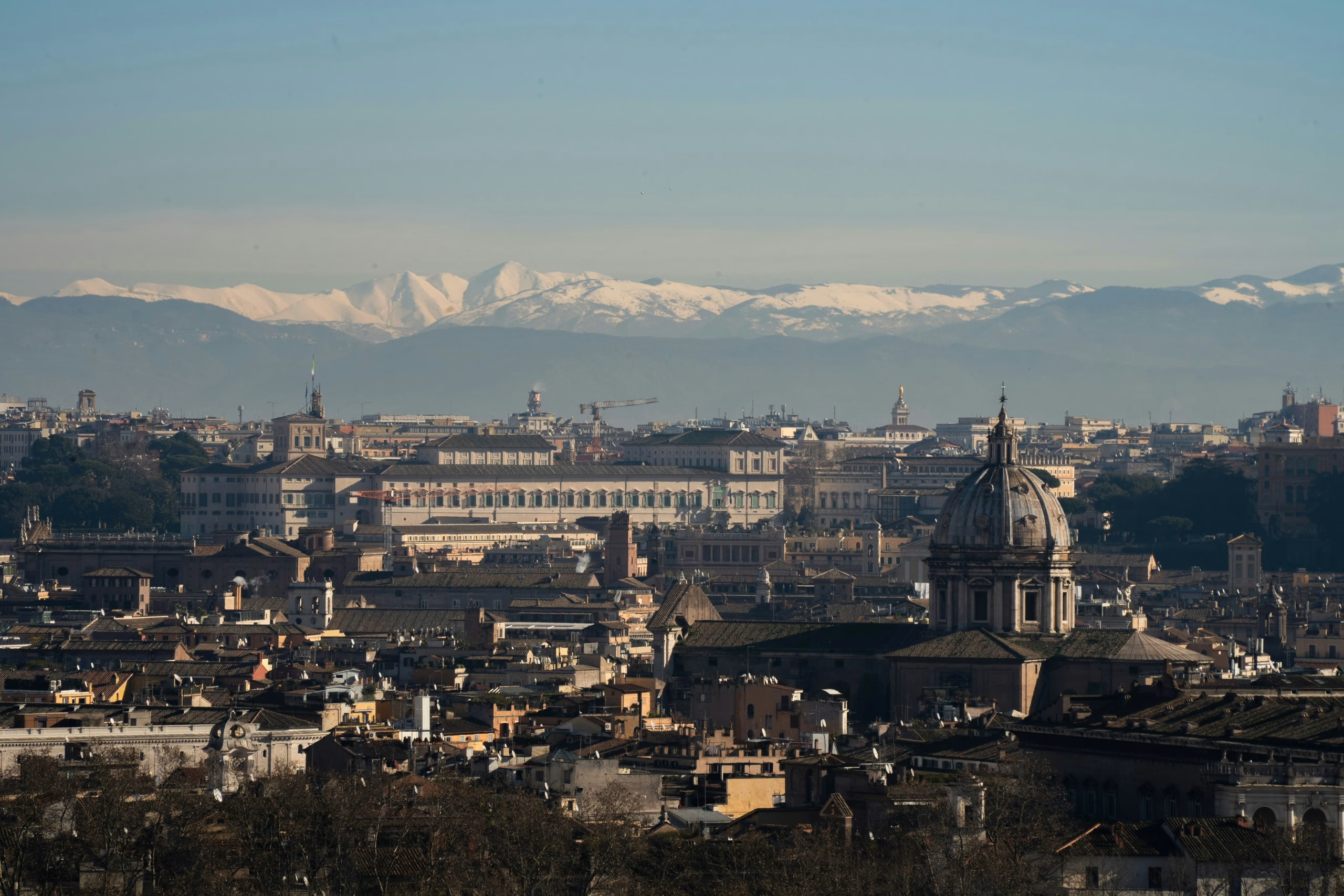
January is one of the best months to enjoy Rome without crowds, which means you can focus on experiences that feel rushed in high season.
Start with the major landmarks: the Colosseum, the Roman Forum and the Vatican Museums are far more accessible, with shorter lines and quieter galleries.
Moreover, early mornings offer clear light and a calm atmosphere that makes visits smoother and more enjoyable.
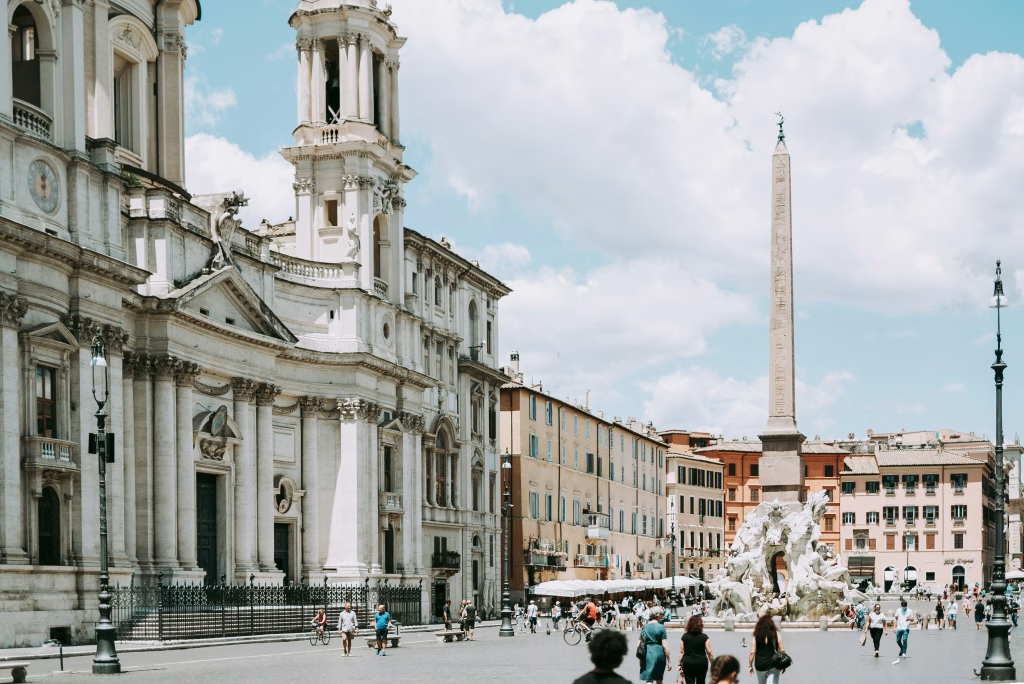
Another must is exploring the historic center on foot. Piazza Navona, the Pantheon and Trevi Fountain reveal a different charm in January.
The air is crisp, lights are warmer and the reduced foot traffic allows you to move at your own pace. Meanwhile, scenic walks along the Tiber or through Trastevere become some of the month’s highlights.
In addition, January is perfect for visiting large exhibitions, underground sites or lesser-known museums.
Places like Palazzo Altemps, Centrale Montemartini or the Baths of Caracalla feel almost private during this period. Consequently, you can experience Rome’s cultural side without noise or pressure.
Finally, don’t miss winter comfort food!
From traditional trattorias to cozy wine bars, January brings the perfect balance between atmosphere and authenticity.
These warm stops help create a relaxed rhythm for your days, turning simple activities into memorable experiences.
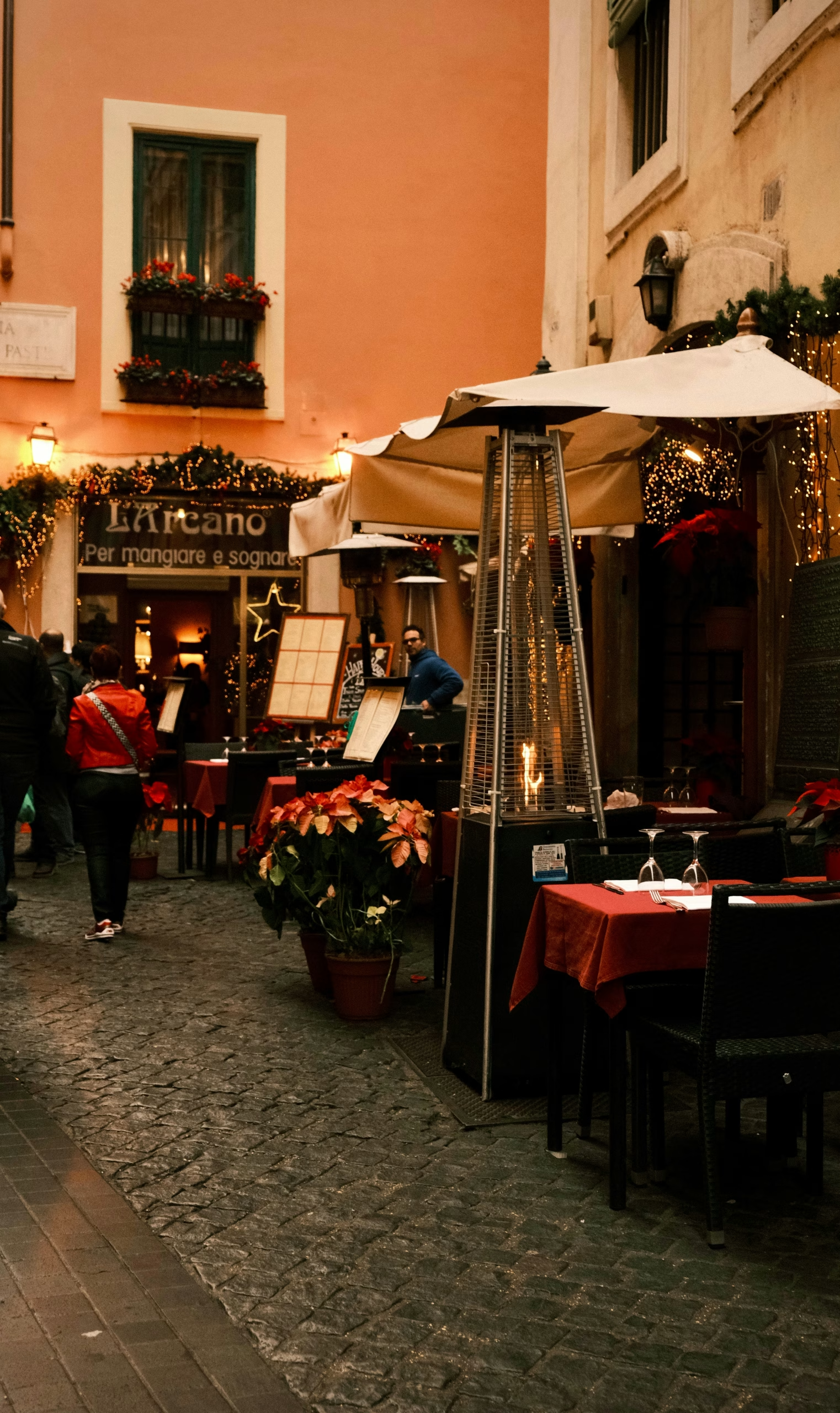
January offers a rare opportunity to enjoy Rome’s most iconic places in near silence.
Start with Piazza di Spagna early in the morning. The Spanish Steps are almost empty, the light is soft and the entire area feels calm before shops open.
Moreover, the view from the top of Trinità dei Monti is sharper in winter, thanks to the crisp air.
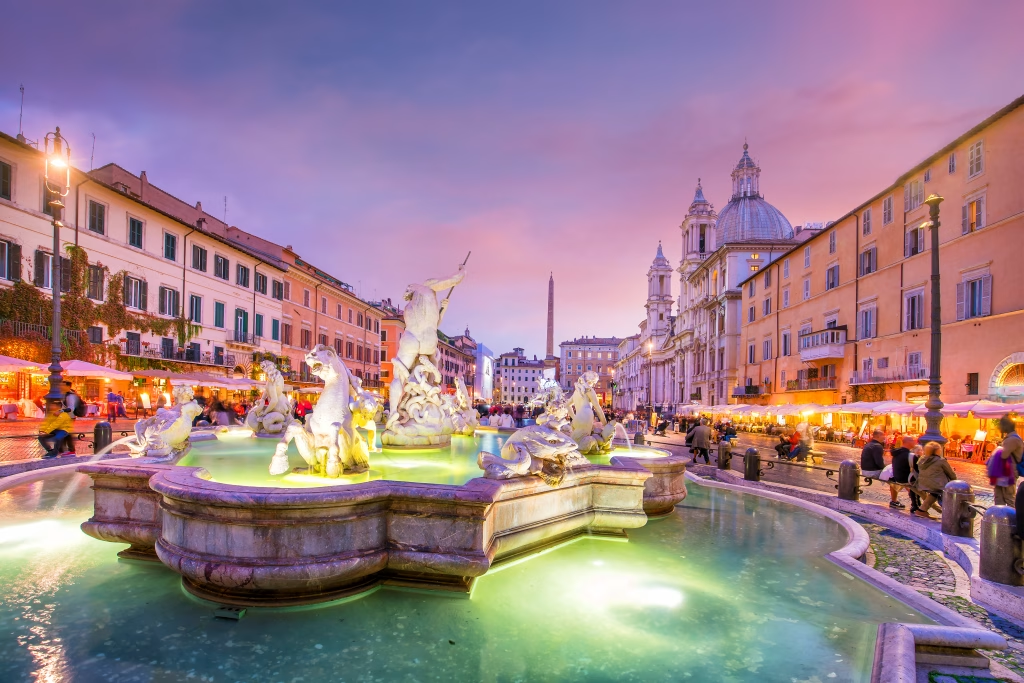
Continue toward Piazza Navona, which regains its elegant, spacious atmosphere once the holiday rush fades.
Fountains glow gently, and the square becomes one of the best spots for slow winter photography. Meanwhile, the nearby Pantheon remains surprisingly quiet in January, making the approach through narrow alleys even more atmospheric.
For scenic walks, follow the Tiber between Ponte Sisto and Castel Sant’Angelo.
Reflections are stronger in winter, and the path stays peaceful throughout the day.
In addition, neighborhoods like Monti and Aventino offer quiet, charming streets that feel far removed from the usual tourist circuits.
If you want a panoramic reward, head to the Gianicolo Terrace before sunset.
The skyline appears crisp and layered, with minimal crowds.
As a result, January becomes one of the best months for slow, scenic routes that reveal the intimate side of Rome.
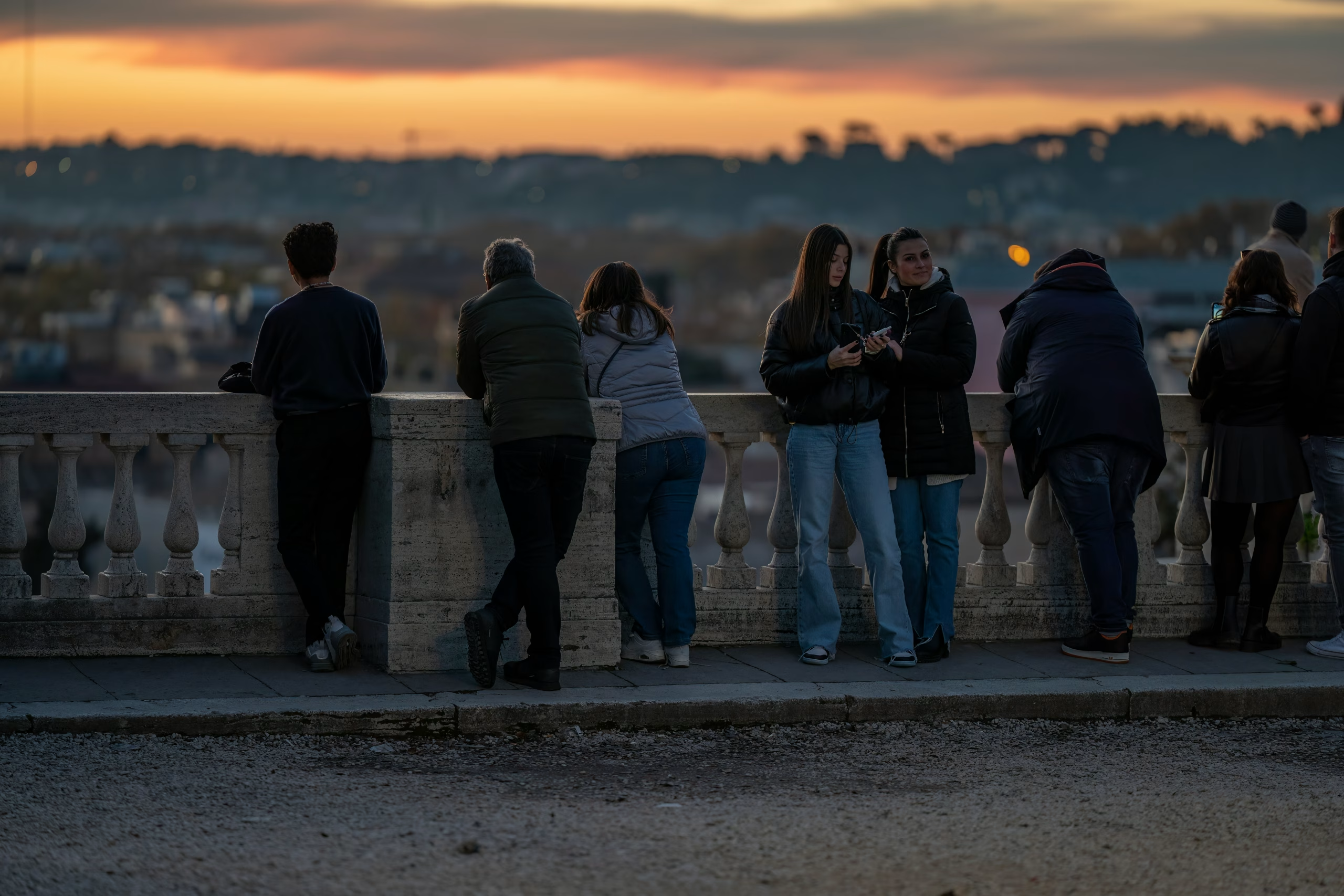
January may seem quiet at first glance, but Rome offers several seasonal events that make the month richer than expected.
The highlight is the Epiphany period, which keeps the city lively until January 6.
Piazza Navona glows with its final festive touches, and many churches host beautiful concerts that blend perfectly with the winter atmosphere. Moreover, this is one of the best moments to enjoy sacred music in intimate settings.
After the Epiphany, the city shifts into a calmer rhythm.
This is when exhibitions take center stage. Major museums like the Scuderie del Quirinale, MAXXI and Palazzo Bonaparte often open their strongest shows of the season.
Consequently, January becomes excellent for cultural travelers who prefer quiet galleries and thoughtful visits.
Food also becomes a seasonal event.
Traditional dishes such as carbonara, cacio e pepe and Roman stews feel even more satisfying in colder weather. Meanwhile, local markets — especially Campo de’ Fiori and Testaccio — offer winter produce at its best, including artichokes, citrus and seasonal pastries.
For something atmospheric, explore churches and basilicas during the late afternoon.
The softer light enhances mosaics, frescoes and marble details, turning each visit into a warm, immersive experience. As a result, January blends culture, food and calm energy in a way that feels uniquely authentic.
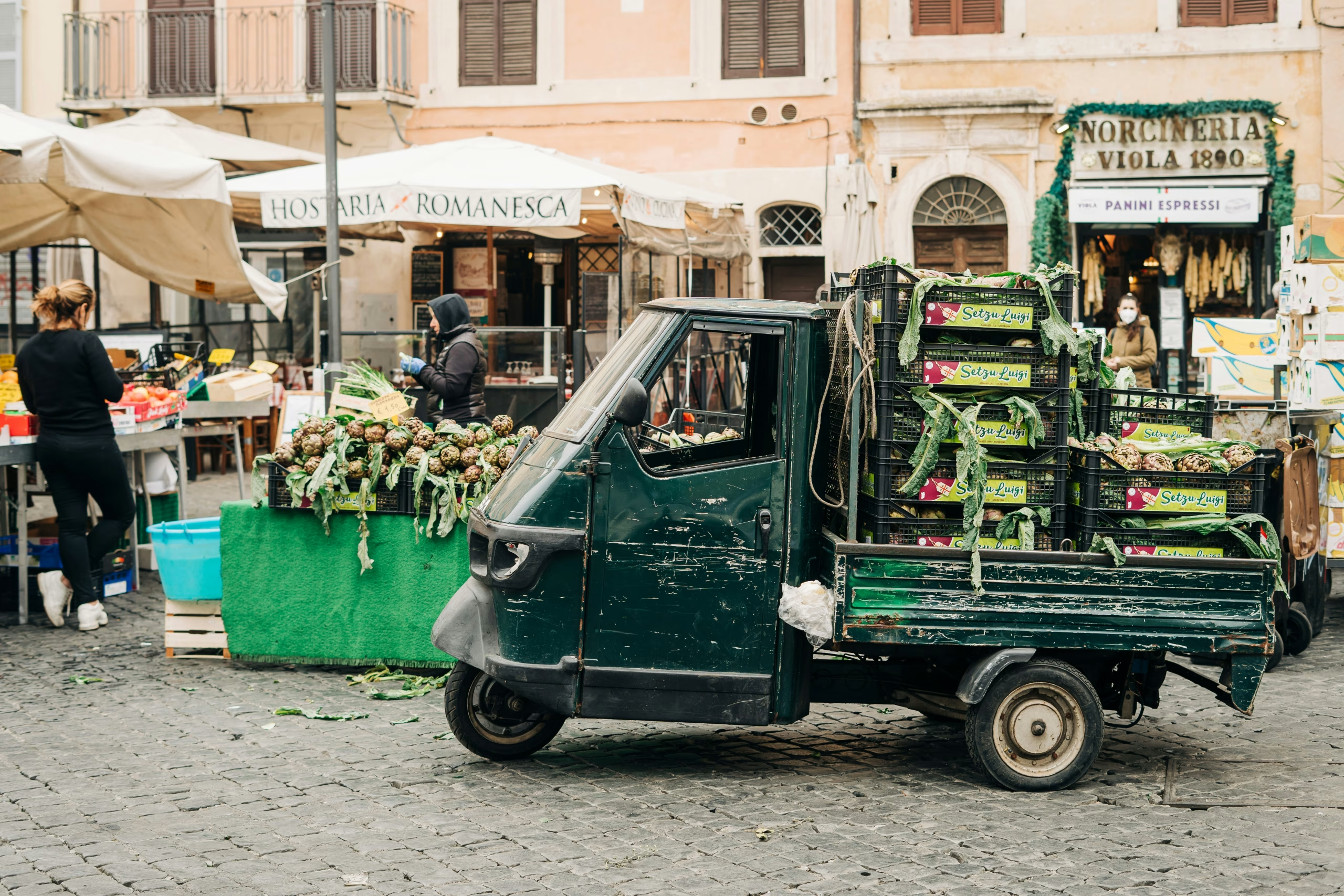
January is the perfect month to enjoy Rome’s warm, intimate places.
Cafés and wine bars become natural stops between walks, offering comfort without losing authenticity. Start with the classic cafés around the Pantheon and Piazza Navona.
Their soft lighting and slower winter rhythm make them ideal for a mid-afternoon break. Moreover, the contrast between crisp outdoor air and warm interiors feels especially pleasant in January.
For something more atmospheric, explore small wine bars in Monti or Trastevere.
These spaces blend rustic charm with a relaxed local energy that works beautifully in winter. Meanwhile, their compact size creates a cozy atmosphere where you can unwind with a glass of wine or a simple tasting plate. As a result, they fit perfectly into any January itinerary.
If you prefer quiet corners, head to Testaccio or the streets around Campo de’ Fiori.
Here you’ll find tiny bakeries, bistros and tea rooms that stay welcoming throughout the season.
In addition, January offers easier seating and slower service, turning short breaks into meaningful moments.
These cozy spots help balance your winter days in Rome, adding warmth, calm and a touch of local charm to every route.
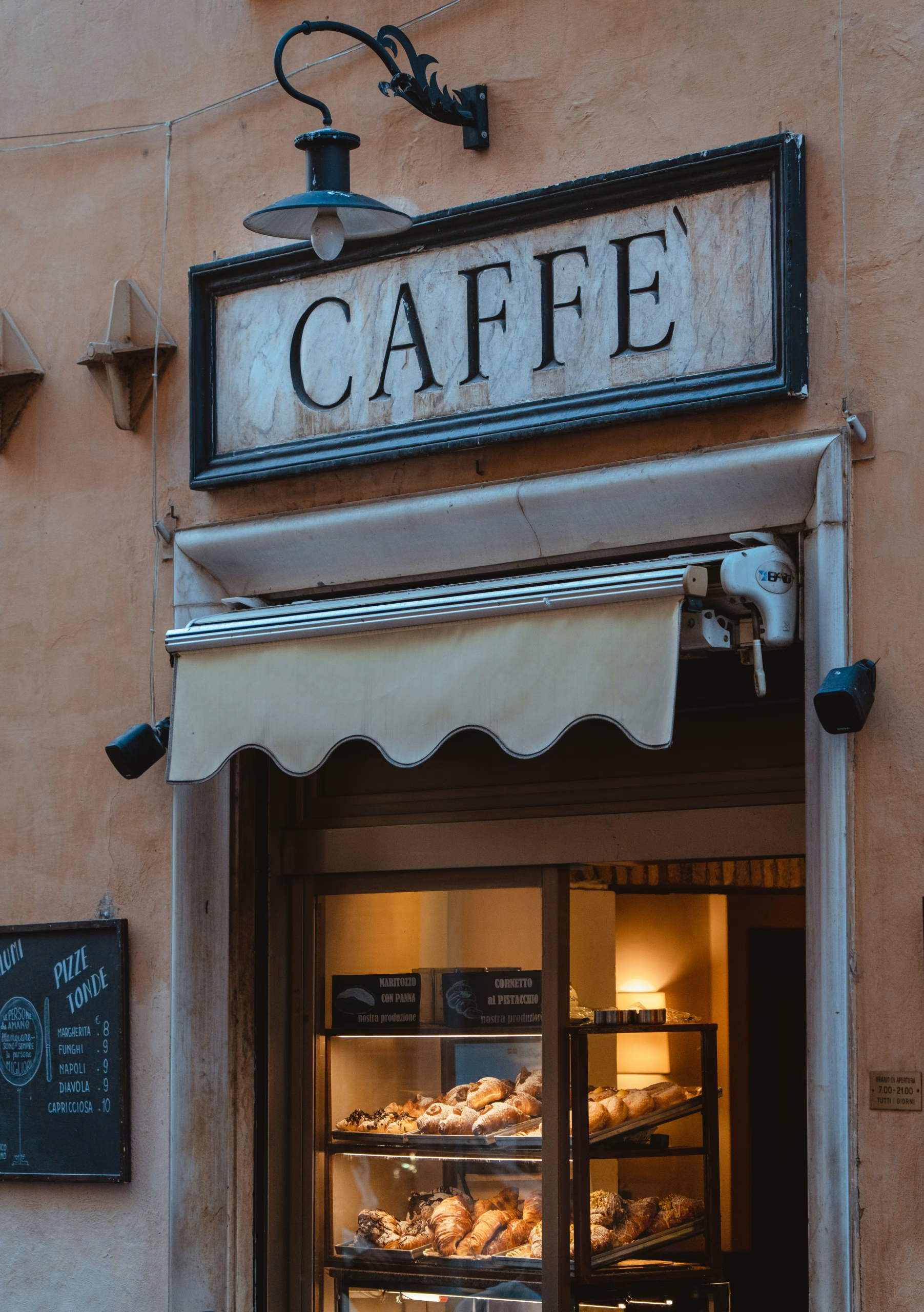
January is one of the easiest months to navigate Rome, especially if you prefer calm streets and manageable crowds. The first useful tip is simple: start your days late.
Mornings are colder, so beginning around 10:00 makes walks more pleasant and aligns perfectly with the city’s slower winter rhythm.
Moreover, most landmarks are quieter at this time, allowing you to visit without rushing.
Crowd levels stay low throughout the month. After January 6, the city becomes noticeably peaceful, especially in museums and major squares.
As a result, this is the best period to enjoy the Vatican Museums, the Roman Forum or the Baths of Caracalla with minimal waiting times. Meanwhile, restaurants and cafés remain open and welcoming, and finding a table is far easier than in spring or autumn.
In addition, keep an eye on opening hours.
Some sites close slightly earlier in winter, so planning your key visits before sunset helps avoid surprises. For evenings, rely on well-lit, central neighborhoods like Monti, Trastevere and the historic center. These areas stay active, safe and atmospheric even on the coldest days.
Overall, January offers the perfect mix of clarity, calm and comfort — a month where Rome becomes wonderfully easy to explore.
1. Is January a good month to visit Rome?
Yes. It’s calm, affordable and atmospheric. Moreover, crowd levels are among the lowest of the year.
2. How cold is Rome in January?
Cool but mild. Expect 8–12°C during the day and slightly colder evenings.
3. Does it rain a lot in January?
Not much. Rain appears in short showers, but many days stay clear and walkable.
4. Are landmarks crowded in January?
No. The first three weeks are especially quiet, ideal for major visits.
5. What should I wear in Rome in January?
A light jacket, scarf and comfortable shoes. Layers help for cooler nights.
6. Are restaurants and bars open in January?
Absolutely. Most keep normal hours, and it’s much easier to find available tables.